
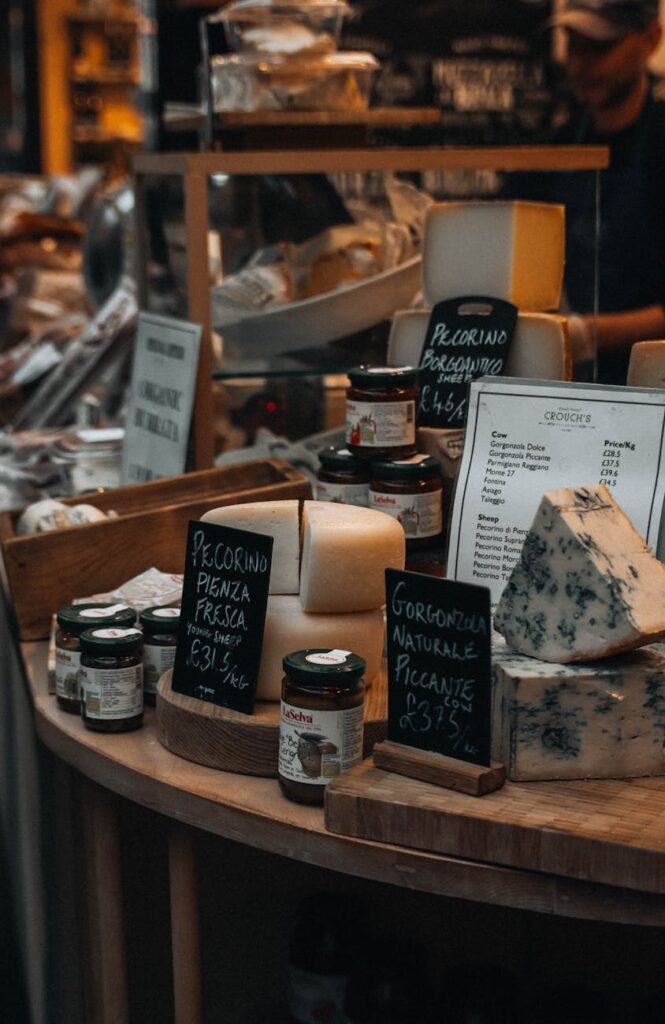
How to Store Pecorino Cheese
Introduction
Pecorino cheese, an esteemed Italian dairy product, is cherished for its robust flavors and versatile nature. As a staple in many culinary traditions, understanding how to properly store Pecorino cheese is essential for maintaining its quality and extending its shelf life. This article delves into the multifaceted aspects of Pecorino cheese, including its history, production, quality grading, and storage techniques, ensuring you can enjoy this remarkable cheese at its best.
What Is Pecorino Cheese?
Pecorino cheese refers to a family of hard, salty Italian cheeses made from sheep’s milk. The term “pecorino” is derived from the Italian word “pecora,” meaning sheep. There are several varieties of Pecorino, with Pecorino Romano being the most famous. This cheese is known for its rich flavor profile, which can range from sharp and tangy to nutty and savory, depending on its aging process.
History and Origins
Pecorino cheese boasts a rich history that dates back to ancient Rome, where it was a dietary staple among soldiers and laborers. Historically, sheep farming was prevalent in central Italy, particularly in regions such as Lazio, Tuscany, and Sardinia. The traditional methods of cheese-making have been passed down through generations, preserving the integrity and uniqueness of Pecorino.
The cheese gained prominence during the Renaissance period and was often featured in the diets of nobility, reflecting its esteemed status. Today, Pecorino is celebrated not only in Italy but around the globe, with various regions producing their unique interpretations.
Production and Processing
The production of Pecorino cheese involves several key steps:
1. Milk Collection: Fresh sheep’s milk is collected, typically from local farms. The quality of the milk significantly influences the final product.
2. Curdling: The milk is heated and combined with rennet, a natural enzyme, to form curds. The curds are then cut into small pieces to facilitate whey separation.
3. Whey Removal: Once the curds have firmed up, the whey is drained off, and the curds are pressed into molds.
4. Salting: Pecorino is salted to enhance flavor and preserve the cheese. This can be done either by dry salting or brining.
5. Aging: The cheese is aged for varying periods, from a few months to over a year. The aging process allows the flavors to develop and intensify, leading to the characteristic taste of Pecorino.
Quality and Grading
Quality and grading of Pecorino cheese are determined by several factors, including flavor, texture, and aroma. The designation PDO (Protected Designation of Origin) is granted to Pecorino Romano, ensuring that it is produced in specific regions of Italy using traditional methods.
Grading often involves assessing the cheese’s appearance, including its rind, color, and overall consistency. Higher-grade Pecorino will exhibit a well-defined flavor profile, with a balance between saltiness and creaminess, and a texture that is neither too dry nor excessively moist.
Buying Considerations
When purchasing Pecorino cheese, consider the following:
- Type: Decide whether you prefer fresh Pecorino, which has a milder taste, or aged varieties that offer bolder flavors.
- Source: Look for cheeses that are produced in specific regions of Italy for authenticity, especially those with PDO certification.
- Texture: Fresh Pecorino should be soft and creamy, while aged versions should be hard and crumbly.
- Packaging: Check that the cheese is properly packaged to ensure its freshness. Vacuum-sealed options can provide longer shelf life.
- Try Before You Buy: If possible, sample the cheese before purchasing. Different producers may have unique flavor profiles, and tasting can help you find the right one for your palate.
- Unopened: If the cheese is still in its original packaging, you can leave it as is until you’re ready to use it. Commercially packaged cheeses often have protective coatings that help preserve freshness.
- Opened: Once opened, wrap Pecorino cheese in parchment paper or wax paper, followed by a loose layer of plastic wrap or foil. This allows the cheese to breathe while preventing it from drying out.
Uses and Applications
Pecorino cheese is incredibly versatile and can be used in a variety of culinary applications. It can be grated over pasta, incorporated into sauces, or enjoyed on a cheese platter. The distinct flavor of Pecorino enhances salads, pairs beautifully with fruits, and complements various wines, particularly robust reds.
Beyond its culinary uses, Pecorino can also be enjoyed as part of a charcuterie board, where its salty notes balance well with cured meats and olives. Additionally, it can be melted in dishes like lasagna or risotto, adding a unique depth of flavor.
Storage and Shelf Life
Proper storage of Pecorino cheese is critical to preserving its flavor and texture. Here are detailed guidelines for storage:
1. Refrigeration
Pecorino cheese should always be stored in the refrigerator to maintain its freshness. It is best kept in the coldest part of the fridge, away from the door, where temperatures fluctuate more.
2. Wrapping
3. Avoid Plastic Wrap
Avoid wrapping Pecorino cheese tightly in plastic wrap, as this can create moisture buildup and promote mold growth. Allowing the cheese to breathe will help maintain its quality.
4. Storage Container
For longer storage, consider placing the wrapped cheese in an airtight container. This protects it from absorbing odors from other foods in the refrigerator while also keeping it well-sealed.
5. Freezing
While not recommended for long-term storage, Pecorino cheese can be frozen for a limited time. However, freezing may alter its texture, making it more suitable for cooking rather than eating fresh. To freeze, wrap the cheese tightly in plastic wrap, then place it in a freezer bag and label it with the date.
6. Shelf Life
When stored correctly, opened Pecorino cheese can last for several weeks in the refrigerator, while unopened varieties may last for several months. Always check for signs of spoilage, such as off odors, mold (not typical for aged cheeses), or excessive dryness.
Common Misconceptions
1. All Pecorino is the Same
Many believe that all Pecorino cheeses are identical, but variations exist depending on the region, milk source, and production methods. Each type has its unique flavor and texture.
2. Pecorino is Only for Pasta
While Pecorino is famously used in pasta dishes, its applications extend far beyond. It can enhance a variety of dishes, from salads to charcuterie boards.
3. Pecorino Must Be Grated
Some think that Pecorino must always be grated. In reality, it can be enjoyed in various forms, including cubes or slices, enhancing the eating experience.
Frequently Asked Questions
1. How long can I keep Pecorino cheese in the fridge?
Pecorino can last several weeks to months in the fridge, depending on whether it is opened or unopened. Proper wrapping and storage can help maintain its quality.
2. Can I freeze Pecorino cheese?
Yes, Pecorino cheese can be frozen, but it may alter the texture. It is best used in cooked dishes after freezing.
3. What is the difference between Pecorino Romano and other Pecorino cheeses?
Pecorino Romano is a specific type of Pecorino cheese with a PDO designation, known for its sharp flavor and hard texture, while other varieties may differ in taste and texture.
4. How can I tell if Pecorino cheese has gone bad?
Signs of spoilage include off odors, excessive dryness, or visible mold. If you notice any of these, it’s best to discard the cheese.
5. Is Pecorino cheese suitable for vegetarians?
Pecorino is made with rennet, which is often derived from animal sources, making it unsuitable for strict vegetarians. However, some producers may offer vegetarian options.
6. Can I use Pecorino cheese in place of Parmesan?
While Pecorino and Parmesan can be used interchangeably in some dishes, they have different flavor profiles. Pecorino is saltier and more robust, which may alter the dish’s overall taste.
In conclusion, understanding how to store Pecorino cheese properly enhances its longevity and maintains its beloved flavor. By employing the right storage techniques and being aware of its unique characteristics, you can enjoy this exquisite cheese in its prime, whether grating it over pasta or savoring it on its own.