
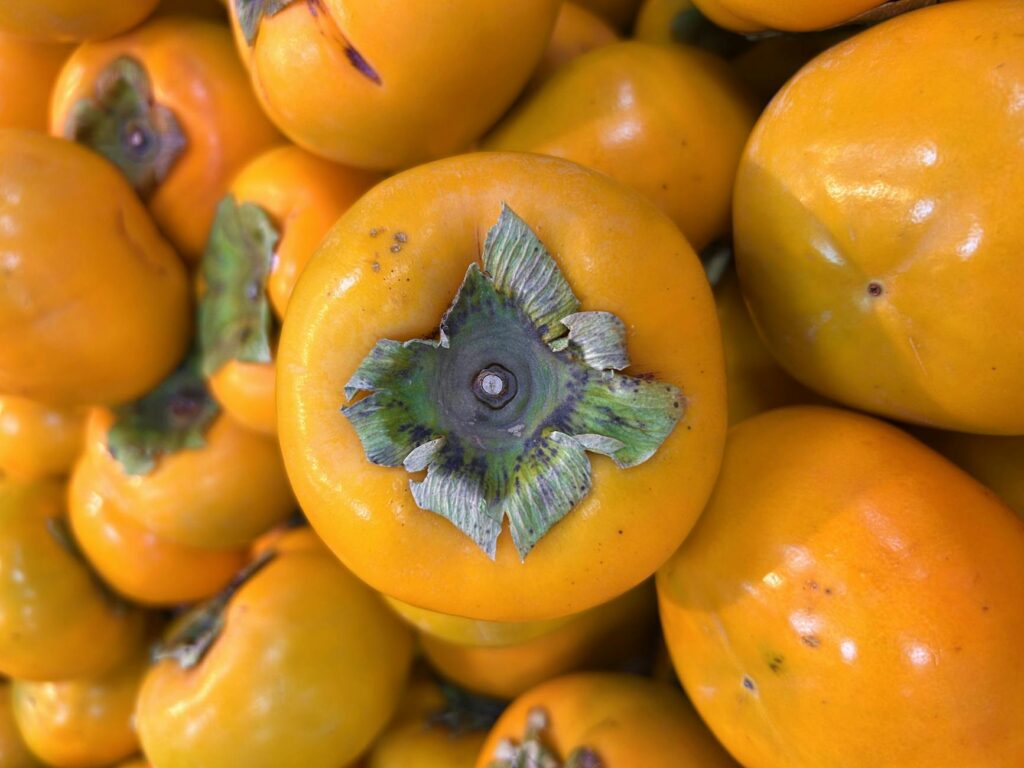
How to Store Persimmons
Introduction
Persimmons are a sweet and flavorful fruit that has gained popularity across the globe. Known for their vibrant hues and unique taste, these fruits are not only delicious but also versatile, making them a staple in various culinary traditions. However, to fully enjoy the delightful experience that persimmons offer, proper storage is essential. This article explores the various aspects of persimmons, particularly focusing on best practices for storage, to help you maintain their freshness and flavor for as long as possible.
What Are Persimmons?
Persimmons are fruit-bearing trees belonging to the genus Diospyros. The most commonly consumed varieties are the American persimmon (Diospyros virginiana) and the Asian persimmon (Diospyros kaki). The fruit can be categorized into two main types: astringent and non-astringent. Astringent persimmons must be fully ripe to be palatable, while non-astringent varieties can be eaten when still firm. Their sweet, honey-like flavor and custard-like texture make them a delightful addition to various dishes.
History and Origins
Persimmons have a rich history that dates back thousands of years. Native to East Asia, particularly China and Japan, they have been cultivated for over 2,000 years. The fruit was introduced to the United States in the 18th century, where it thrived in warmer climates. Over time, persimmons have become a significant part of culinary traditions in various cultures, often used in desserts, salads, and even savory dishes.
Production and Processing
The cultivation of persimmons requires specific climate conditions, thriving in regions with well-drained soil and plenty of sunlight. Harvesting typically occurs in the fall, when the fruit reaches its peak ripeness. Post-harvest, persimmons are often sorted and graded based on size, color, and ripeness to ensure quality. Non-astringent varieties like Fuyu are usually ready to eat soon after harvest, while astringent varieties like Hachiya require additional ripening.
Quality and Grading
Quality grading for persimmons is essential for consumers and retailers alike. Factors such as skin integrity, color, and size significantly influence the fruit’s appeal. A high-quality persimmon will have a smooth, blemish-free skin that is vibrant in color. For astringent varieties, a soft texture indicates ripeness, while non-astringent types should be firm but not hard. Proper grading ensures that consumers receive fruit that meets their expectations in terms of taste and usability.
Buying Considerations
When purchasing persimmons, consider the type and ripeness of the fruit. Non-astringent varieties like Fuyu can be consumed while still firm, making them a great on-the-go snack. Astringent varieties such as Hachiya should be soft to the touch, indicating they are ripe and ready to eat. Inspect the skin for any blemishes or bruises, as these can affect the overall quality. Additionally, consider seasonal availability, as the best time to buy persimmons is typically from late summer through early winter.
Uses and Applications
Persimmons are incredibly versatile in culinary applications. They can be eaten fresh, dried, or cooked. Fresh persimmons can be sliced into salads, added to cheese platters, or blended into smoothies. Dried persimmons serve as a nutritious snack or can be rehydrated for use in various recipes. The unique flavor profile of persimmons allows them to complement both sweet and savory dishes, making them suitable for desserts as well as salads and main courses.
Storage and Shelf Life
Proper storage of persimmons is crucial to prolonging their freshness and flavor. Here are some guidelines:
Room Temperature Storage
- Non-Astringent Varieties: If you have firm Fuyu persimmons, they can be stored at room temperature for a few days to ripen further. However, avoid direct sunlight and heat sources, as these can accelerate spoilage.
- Astringent Varieties: Hachiya persimmons should be left at room temperature until they become soft. This process may take several days. Once ripe, they should be consumed promptly or stored in the refrigerator.
- Ripe Astringent Persimmons: Once fully ripe, astringent persimmons can be stored in the refrigerator for up to a week. Placing them in a perforated plastic bag can help maintain their moisture without causing them to become soggy.
- Firm Non-Astringent Persimmons: These can also be refrigerated, where they may last longer, up to two weeks. However, consuming them at room temperature often enhances their flavor.
Refrigeration
Freezing
For long-term storage, persimmons can be frozen. Here’s how:
1. Preparation: Wash and slice the persimmons, removing any blemishes. You can choose to peel them or leave the skin on, depending on your preference.
2. Flash Freezing: Lay the slices on a baking sheet in a single layer and freeze until solid. This prevents them from sticking together.
3. Storage: Transfer the frozen slices into airtight containers or freezer bags, removing as much air as possible. Frozen persimmons can last up to six months.
Common Misconceptions
One common misconception about persimmons is that they can be eaten unripe, especially the astringent varieties. Consuming unripe persimmons can lead to an unpleasant, chalky taste, as the tannins present in the fruit cause an astringent sensation. It’s essential to ensure that astringent persimmons are soft and fully ripe before consumption.
Another misconception is that all persimmons require refrigeration. While refrigeration can help prolong the shelf life of ripe persimmons, many non-astringent varieties can be enjoyed fresh at room temperature.