
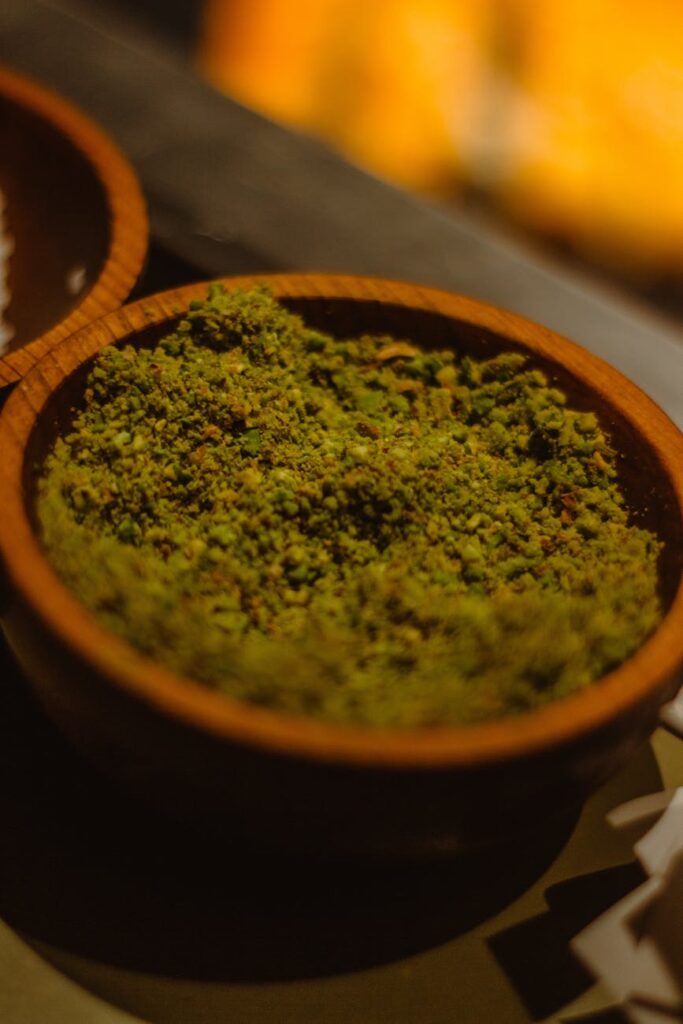
How to Store Pistachios
Introduction
Pistachios are a beloved nut, cherished for their unique flavor, rich nutritional profile, and versatility in culinary applications. Whether enjoyed as a snack, incorporated into savory dishes, or used in desserts, the proper storage of pistachios is crucial to maintain their quality and freshness. This article provides comprehensive guidance on the storage of pistachios, ensuring that you can enjoy this delightful nut at its best.
What Is Uses?
The term “uses” in the context of food ingredients refers to the various applications and purposes that an ingredient serves in culinary practices. For pistachios, their uses extend beyond mere snacking; they play a vital role in cooking, baking, and even garnishing. Understanding how to store them properly is essential to preserving their numerous uses and flavors.
History and Origins
Pistachios (Pistacia vera) are believed to have originated in Central Asia and the Middle East, with archaeological evidence suggesting their cultivation dates back thousands of years. They were a favored food among ancient civilizations, including the Romans and Persians. Over time, pistachios spread to various regions, notably to California, which is now one of the largest producers of pistachios worldwide. This rich history contributes to their current status as a popular ingredient in both traditional and modern cuisines.
Production and Processing
Pistachios are harvested from trees that thrive in warm climates. The harvesting process involves shaking the trees to release the ripe nuts, which then go through a series of steps, including drying, shelling, and grading. After processing, pistachios can be found in various forms: in-shell, shelled, roasted, or raw. Each processing method affects their flavor, texture, and, importantly, their storage requirements.
Quality and Grading
Quality and grading are essential aspects of the pistachio industry. Pistachios are typically graded based on size, color, and overall quality. The highest grades are characterized by their plumpness, vibrant green color, and minimal imperfections. When purchasing pistachios, particularly in bulk, it’s advisable to select high-quality nuts, as their storage requirements may vary based on their initial quality.
Buying Considerations
When buying pistachios, consider the following factors to ensure you select the best product for your needs:
1. Form: Decide whether you prefer in-shell or shelled pistachios. In-shell nuts typically have a longer shelf life.
2. Roasted vs. Raw: Roasted pistachios have a distinct flavor profile but may have a shorter shelf life due to the oil content.
3. Packaging: Look for airtight packaging to help preserve freshness.
4. Source: Consider buying from reputable brands or local producers to ensure quality and sustainability.
Uses and Applications
Pistachios are incredibly versatile and can be utilized in various culinary applications:
- Snacking: A popular choice for healthy snacking, pistachios can be enjoyed raw or roasted, often seasoned with salt or spices.
- Culinary Ingredients: They can enhance salads, pasta dishes, and grain bowls with their nutty flavor and crunchy texture.
- Desserts: Pistachios are a common ingredient in sweets, such as baklava, ice cream, and pastries, adding a unique flavor and aesthetic appeal.
- Garnishing: Chopped pistachios can be used as a garnish for dishes, providing visual contrast and additional flavor complexity.
- In-shell Pistachios: These can be stored at room temperature in a cool, dry place, away from direct sunlight. When kept in an airtight container, they can last for about 3 to 4 months.
- Shelled Pistachios: These are more susceptible to spoilage and should ideally be stored in an airtight container as well. At room temperature, they can last for about 1 to 2 months.
- In-shell Pistachios: While not necessary, refrigerating in-shell pistachios can extend their shelf life to about 6 months. Ensure they are in a sealed container to prevent moisture absorption.
- Shelled Pistachios: Refrigeration is highly recommended for shelled pistachios, as it helps prevent them from going rancid. In the fridge, they can last for up to 6 months.
- In-shell and Shelled: Both forms can be frozen. Place them in a freezer-safe airtight container or vacuum-sealed bag. When properly stored, they can last for up to a year in the freezer without significant loss of flavor or texture.
- Always seal pistachios in an airtight container after opening.
- Avoid storing them near strong-smelling foods, as they can absorb odors.
- Check for signs of spoilage, such as an off smell or rancidity, before consumption.
Storage and Shelf Life
Proper storage is vital to maintaining the freshness and flavor of pistachios. Here are some guidelines:
Room Temperature Storage
Refrigeration
Freezing
For long-term storage, freezing pistachios is an excellent option:
Tips for Maintaining Freshness
Common Misconceptions
1. Pistachios Don’t Go Bad
While pistachios can be stored for extended periods, they can definitely go bad. Proper storage is essential to prolong their freshness.
2. All Pistachios Require Refrigeration
Not all pistachios need refrigeration; in-shell pistachios can be stored at room temperature for a reasonable period if kept in a cool, dry place.
3. Roasted Pistachios Last Longer than Raw
Roasted pistachios may have a shorter shelf life than raw pistachios due to the higher fat content, which can lead to rancidity.
Frequently Asked Questions
1. How long can I store pistachios at room temperature?
In-shell pistachios can be stored for about 3 to 4 months, while shelled pistachios typically last for 1 to 2 months.
2. Is it safe to eat pistachios past their expiration date?
While they may not be harmful, their quality and flavor may deteriorate after the expiration date. It’s best to assess them for any signs of spoilage.
3. Can I freeze pistachios?
Yes, both in-shell and shelled pistachios can be frozen for up to a year. Ensure they are in an airtight container to prevent freezer burn.
4. How can I tell if pistachios have gone bad?
Signs of spoilage include an off smell, discoloration, or a rancid taste. If you notice any of these signs, it’s best to discard them.
5. Should I wash pistachios before storing them?
It’s not necessary to wash pistachios before storage, as moisture can lead to spoilage. If you have unroasted, unsalted pistachios, make sure they are dry before storing.
6. What’s the best way to keep pistachios fresh after opening?
Store them in an airtight container in a cool, dry place or refrigerate for longer shelf life, ensuring they are protected from moisture and strong odors.
Conclusion
Understanding how to store pistachios properly is essential for preserving their unique flavor and texture, ensuring that they remain a delightful addition to your culinary repertoire. By following the outlined storage guidelines and addressing common misconceptions, you can enjoy fresh, high-quality pistachios for months to come. Whether snacking or using them in your favorite dishes, proper storage will enhance your experience with this versatile ingredient.