
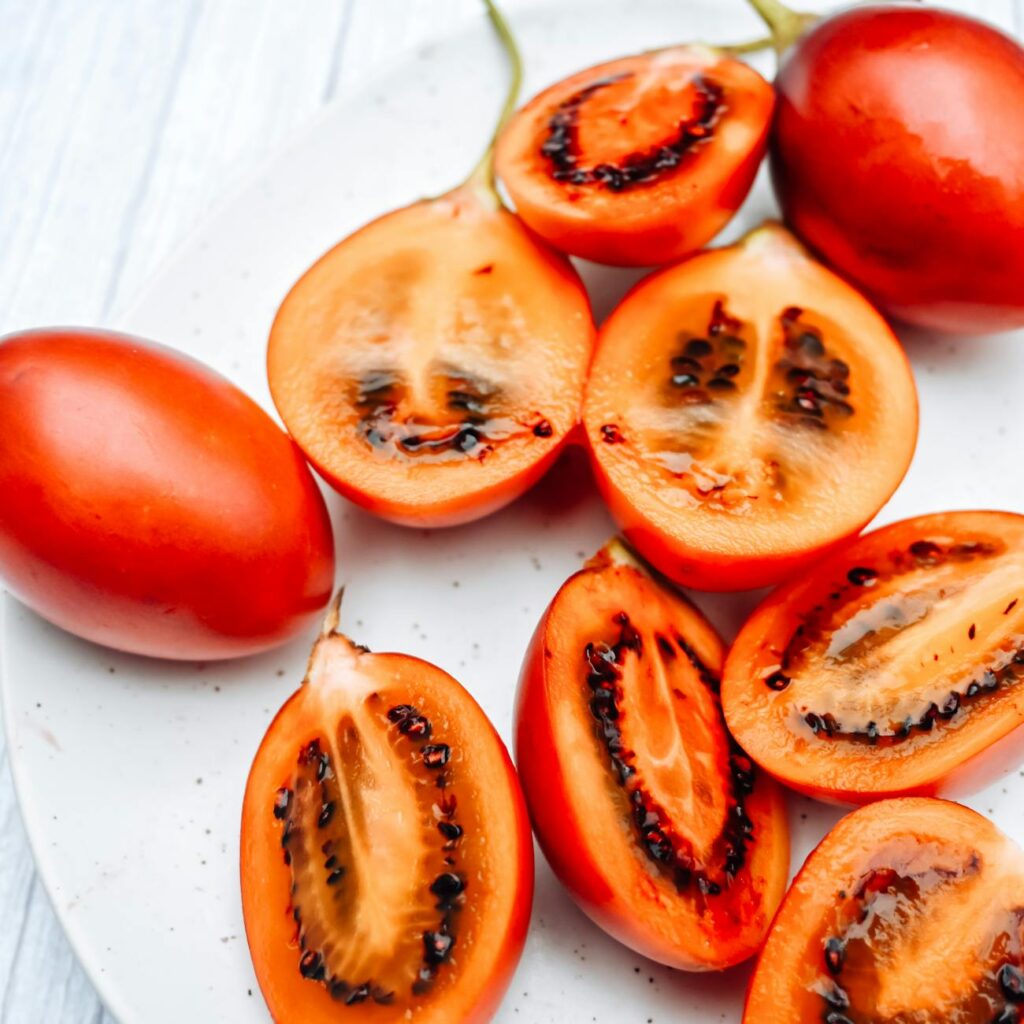
How to Store Tamarillo
Introduction
Tamarillo, sometimes referred to as the “tree tomato,” is a unique fruit originating from the Andean regions of South America. This exotic fruit is renowned for its vibrant colors and tangy flavor, making it a popular choice in both culinary and decorative applications. However, like many fruits, proper storage is crucial to maintain its quality, flavor, and nutritional benefits. This article delves into the best practices for storing tamarillo, ensuring that this delightful ingredient retains its freshness for as long as possible.
What Is Tamarillo?
Tamarillo (Solanum betaceum) belongs to the nightshade family, which also includes tomatoes, potatoes, and eggplants. It is a small, oval-shaped fruit that can vary in color from yellow to red to purple, with a smooth, thin skin. The flesh is juicy and can range from a pale yellow to deep red, often containing small seeds. Tamarillos are celebrated for their sweet and tangy flavor profile, making them suitable for a variety of culinary uses, from salads to sauces.
History and Origins
The tamarillo has its roots in the Andean regions of Peru, Ecuador, and Colombia, where it has been cultivated for centuries. Indigenous peoples initially cultivated this fruit for its nutritional value and culinary versatility. Its popularity eventually spread to other parts of the world, including New Zealand, Australia, and California, where it is now grown commercially. The fruit’s vibrant colors and unique flavor have made it a favorite among chefs and food enthusiasts alike.
Production and Processing
Tamarillos thrive in subtropical to temperate climates, requiring well-drained soil and moderate rainfall for optimal growth. The fruit is typically harvested when it reaches maturity, characterized by its firm texture and vibrant color. After harvesting, tamarillos undergo minimal processing before reaching the market. They are often washed and sorted to ensure quality. The fruit can be sold fresh or processed into jams, sauces, or juices.
Quality and Grading
When assessing the quality of tamarillo, several factors come into play. Color is a significant indicator; ripe tamarillos display vibrant hues, indicating peak ripeness. The skin should be free of blemishes, soft spots, or wrinkles. A high-quality tamarillo will feel firm to the touch but will yield slightly when pressed. Grading systems vary by region, but generally, fruits are classified based on size, color, and overall appearance.
Buying Considerations
When purchasing tamarillos, it is important to consider several aspects for optimal quality. Look for fruits that are firm yet slightly soft to the touch. The skin should be smooth, colorful, and free from blemishes. If you are buying tamarillos for immediate consumption, opt for those that are fully ripe. However, if you plan to store them for a few days, select slightly underripe fruits to allow them to ripen gradually.
Uses and Applications
Tamarillos are versatile ingredients that can be used in a variety of culinary applications. They can be enjoyed fresh, sliced in salads, or blended into smoothies. Additionally, tamarillos can be cooked down into sauces, jams, or chutneys, where their unique flavor shines. The fruit can also be used as a garnish, adding a burst of color and flavor to dishes. Its tangy profile complements both savory and sweet dishes, making it a valuable addition to any kitchen.
Storage and Shelf Life
Proper storage is essential to prolong the shelf life of tamarillos and maintain their quality. Here are the best practices for storing tamarillo:
Temperature and Conditions
Fresh tamarillos should be stored at room temperature if they are not fully ripe. Keep them in a cool, dry place, away from direct sunlight, which can accelerate ripening. Once ripe, tamarillos can be placed in the refrigerator to extend their shelf life. The ideal temperature for storing ripe tamarillos is between 45°F to 55°F (7°C to 13°C).
Duration
Unripe tamarillos can last for several days at room temperature, allowing them to ripen gradually. When stored in the refrigerator, ripe tamarillos can last for up to one week. It is advisable to consume them within this time frame for optimal flavor and texture.
Packaging
If you need to store ripe tamarillos in the refrigerator, place them in a breathable container, such as a paper bag or a perforated plastic bag. This will help regulate humidity while preventing moisture buildup, which can lead to spoilage.
Signs of Spoilage
Regularly check stored tamarillos for signs of spoilage, which can include soft spots, mold, or a sour smell. If you notice any of these signs, it is best to discard the fruit, as it may affect the quality of nearby fruits.
Common Misconceptions
One common misconception about tamarillos is that they are similar to tomatoes in flavor and usage. While they share a similar appearance, the flavor profile of tamarillo is notably different, offering a more complex blend of sweetness and acidity. Additionally, some believe that tamarillos require extensive cooking to be enjoyable; however, they can also be eaten raw, providing a refreshing addition to salads and salsas.
Frequently Asked Questions
1. Can tamarillos be frozen?
Yes, tamarillos can be frozen, but it is recommended to peel and slice them before freezing. This helps maintain texture and flavor. Freeze them in an airtight container for best results.
2. How do I know when a tamarillo is ripe?
A ripe tamarillo will feel slightly soft to the touch, have a vibrant color, and display a pleasant aroma. If it is too firm, it may need a few days to ripen.
3. Can I eat tamarillos raw?
Absolutely! Tamarillos can