
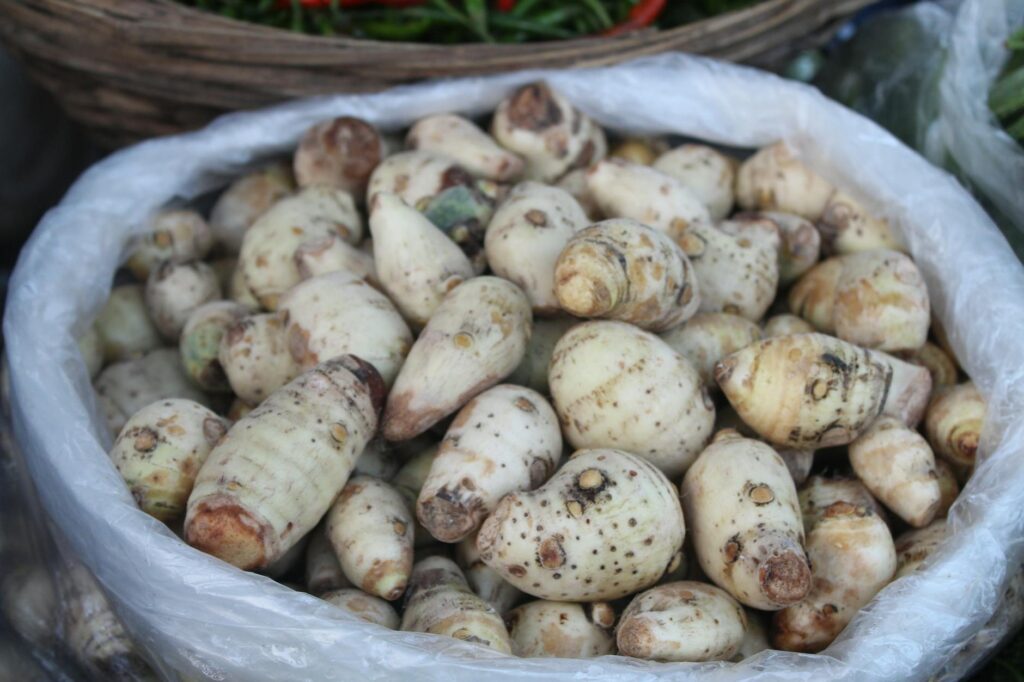
How to Store Taro
Introduction
Taro, a starchy root vegetable that has been a dietary staple in many cultures, is revered for its unique flavor, versatility, and nutritional value. This tuber can be utilized in a myriad of culinary applications, making it an essential ingredient across various cuisines. However, to fully appreciate and utilize taro, proper storage techniques are vital to maintain its quality and prolong its shelf life. This article delves into the best practices for storing taro, ensuring it remains fresh and flavorful for as long as possible.
What Is Taro?
Taro (Colocasia esculenta) is a tropical root vegetable that belongs to the Araceae family. It is characterized by its brown, rough skin and creamy white or lavender flesh, which can vary in color depending on the variety. Taro is rich in carbohydrates, dietary fiber, vitamins, and minerals, making it a nutritious addition to meals. It can be prepared in numerous ways, including boiling, baking, frying, and even as a thickener for soups and sauces. Its versatility makes it popular in dishes ranging from savory stews to sweet desserts.
History and Origins
The history of taro dates back thousands of years, with origins believed to be in Southeast Asia and the Indian subcontinent. Ancient Polynesians were known to cultivate taro, and it played a significant role in their diet as they spread across the Pacific Islands. Taro is still an integral part of various cultural practices and cuisines today, particularly in regions like Hawaii, where it is used to make poi, a traditional Hawaiian dish. The plant’s adaptability to different climates has allowed it to be cultivated in various parts of the world, including Africa, the Caribbean, and parts of South America.
Production and Processing
Taro is typically grown in wet, marshy conditions, thriving in tropical and subtropical climates. The cultivation process involves planting taro corms (the underground stems) in moist soil, where they can grow for several months before being harvested. Upon harvesting, the taro roots must be cleaned and dried to prepare them for distribution.
Processing can vary widely, depending on the intended use of taro. Fresh taro can be sold whole, while processed forms may include taro flour, chips, or frozen taro products. Proper handling during production and processing is crucial to minimize damage and maintain the quality of the tuber for consumption.
Quality and Grading
When purchasing taro, it’s essential to consider its quality, which is determined by several factors, including appearance, size, and texture. High-quality taro should have smooth, unblemished skin, without any signs of sprouting or rot. The flesh should be firm, with no soft or mushy spots. Taro is generally graded based on size, with larger corms often being preferred for their higher yield and cooking versatility.
Buying Considerations
When selecting taro, whether at a grocery store or a farmer’s market, several factors should be taken into account:
1. Freshness: Look for corms that feel heavy for their size and have a firm texture.
2. Appearance: Choose taro with minimal blemishes and no signs of decay.
3. Size: Depending on your culinary needs, select smaller or larger corms accordingly.
4. Storage Conditions: If possible, inquire about how the taro has been stored prior to purchase, as improper storage can affect freshness.
Uses and Applications
Taro is a versatile ingredient that can be employed in a wide range of culinary applications. In many Asian cuisines, it is a common component in soups, curries, and stews. Taro can also be roasted, mashed, or pureed, making it suitable for both savory and sweet dishes. Additionally, taro is often used in desserts, such as taro-flavored puddings and ice creams, highlighting its adaptability.
Beyond culinary uses, taro leaves are also edible and commonly used in dishes like laing, a traditional Filipino dish of dried taro leaves cooked in coconut milk. The entire plant is thus utilized, making it a sustainable ingredient in various cultural cuisines.
Storage and Shelf Life
Storing taro correctly is crucial for maintaining its quality. Here’s how you can store taro to ensure its freshness:
Room Temperature Storage
For short-term storage (1-2 weeks):
- Keep Whole: Store whole, unpeeled taro in a cool, dry place away from direct sunlight. A pantry or a similar space with stable temperatures is ideal.
- Avoid Moisture: Ensure the storage area is well-ventilated to prevent moisture accumulation, which can lead to rot.
- Wrap for Protection: If you need to store taro for a longer duration, wrap it in a paper towel to absorb excess moisture and place it in a perforated plastic bag.
- Store in Crisper Drawer: Place the wrapped taro in the crisper drawer of your refrigerator, where humidity levels are controlled.
- Freezing: Cooked taro can be frozen for extended storage. Peel and cook the taro by boiling or steaming, then allow it to cool before placing it in airtight freezer bags or containers. This method preserves flavor and texture.
- Caution with Raw Taro: Raw taro is not recommended for freezing, as it can become mushy upon thawing.
Refrigeration
For medium-term storage (up to a month):
Long-Term Storage
For long-term storage (several months):
Checking for Spoilage
Regularly inspect your stored taro for signs of spoilage, such as mushiness, odor, or discoloration. If any corms show these signs, discard them to prevent affecting the others.
Common Misconceptions
Despite its popularity, there are several misconceptions surrounding taro:
1. Taro is the