
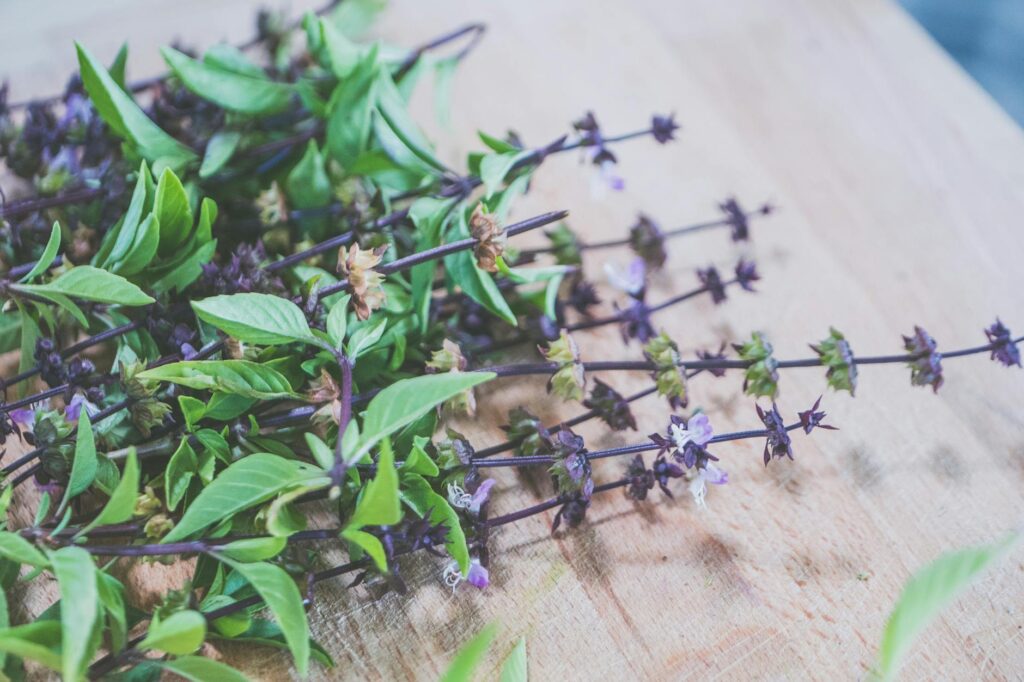
How to Store Thai Basil
Introduction
Thai basil, known scientifically as Ocimum basilicum var. thyrsiflora, is a fragrant herb native to Southeast Asia. Its unique flavor profile, characterized by a hint of anise and clove, makes it a staple in Thai cuisine and an essential ingredient in various Asian dishes. Storing Thai basil properly is crucial for maintaining its vibrant flavor and aroma. This article delves into the various aspects of Thai basil, guiding you on how to store it effectively while preserving its quality.
What Is Thai Basil?
Thai basil is a variety of sweet basil that differs from the more common Genovese basil. It has narrow, pointed leaves that are darker green and a purplish stem. The leaves have a slightly spicier taste and are often used in traditional Thai dishes, such as Pad Krapow and Thai curries. Its aromatic quality is distinctly stronger than that of sweet basil, making it a favorite among chefs and home cooks alike.
History and Origins
Thai basil has its roots in Southeast Asia, where it has been cultivated for centuries. It is believed to have originated in India and spread throughout the region via ancient trade routes. In Thailand, it is known as “bai horapha” and is deeply integrated into the culinary culture. The herb’s unique flavor has made it a popular ingredient in various cuisines beyond Thailand, including Vietnamese, Laotian, and Malaysian dishes.
Production and Processing
Thai basil is typically grown in warm, tropical climates, thriving in well-drained soil with plenty of sunlight. It is commonly cultivated in home gardens, local farms, and commercial agricultural operations. Harvesting usually occurs when the plant reaches about 6 to 8 inches in height, with farmers carefully snipping the leaves to encourage further growth.
Once harvested, Thai basil can be processed in several ways. Fresh leaves are often bundled and sold in markets, while dried versions are available for those seeking longer shelf life. The drying process involves air-drying or using dehydrators, which can concentrate the herb’s flavors but may slightly alter its aromatic qualities.
Quality and Grading
When purchasing Thai basil, it is essential to consider its quality. Fresh Thai basil should have vibrant green leaves, free from yellowing or wilting. The aroma should be strong and characteristic of its unique flavor profile. Grading typically does not apply as strictly to herbs as it does to produce; however, buyers should be wary of any signs of pests or mold during selection.
Buying Considerations
When looking to buy Thai basil, consider the following factors:
1. Freshness: Opt for leaves that are fresh and aromatic, ideally purchased from local markets or specialty shops.
2. Organic vs. Conventional: Organic Thai basil may have fewer pesticides and chemicals, making it a healthier option.
3. Seasonality: Thai basil is usually available year-round but may be at its peak during warmer months.
4. Form: Determine whether you want fresh, dried, or frozen Thai basil. Fresh is ideal for cooking, while dried may be more convenient for long-term storage.
Uses and Applications
Thai basil is versatile and can be used in various culinary applications. It is particularly famous in stir-fries, curries, and salads, where its aromatic qualities can elevate the dish. Beyond traditional Thai cuisine, it can also be used in fusion dishes, cocktails, and even desserts, showcasing its unique flavor profile.
In addition to its culinary applications, Thai basil can also be used in teas and infusions, allowing its distinct aroma and taste to infuse into beverages.
Storage and Shelf Life
Proper storage is vital for maintaining the freshness and flavor of Thai basil. Here are some effective methods for storing this herb:
1. Room Temperature
Fresh Thai basil can be stored at room temperature. Place the stems in a glass of water, similar to how one would store flowers. Cover the leaves loosely with a plastic bag and keep it in a cool, dry place, away from direct sunlight. This method can keep the basil fresh for about a week.
2. Refrigeration
If you need to store Thai basil for a longer period, refrigeration is an effective option. Wrap the leaves in a slightly damp paper towel and place them in a Ziploc bag or an airtight container. This method can keep the basil fresh for up to two weeks. Be cautious not to wash the basil before storing, as moisture can lead to quicker deterioration.
3. Freezing
Freezing is an excellent way to preserve Thai basil for extended periods. To freeze, wash and dry the leaves thoroughly, then chop them if desired. Place the leaves in ice cube trays, cover them with water or olive oil, and freeze. Once frozen, transfer the cubes to a resealable bag for long-term storage. Frozen Thai basil can last for up to six months, although the texture will change.
4. Drying
While drying can alter the flavor profile, it is another way to store Thai basil. To dry, hang the stems upside down in a well-ventilated, dark area until the leaves are brittle. Store the dried leaves in an airtight container away from light. Dried Thai basil can last for about a year, making it a convenient option for those who prefer to have it on hand.
Common Misconceptions
Several misconceptions surround Thai basil that may lead to confusion among consumers:
1. Thai Basil and Sweet Basil Are the Same: While they belong to the same family, their flavor profiles and uses differ significantly. Thai basil has a spicier, more robust flavor.
2. Dried Basil Is Equivalent to Fresh: Dried Thai basil lacks the vibrant flavor and aroma of fresh leaves, making it less suitable for recipes that require the herb’s unique qualities.
3. All Basil Varieties Are Inter