
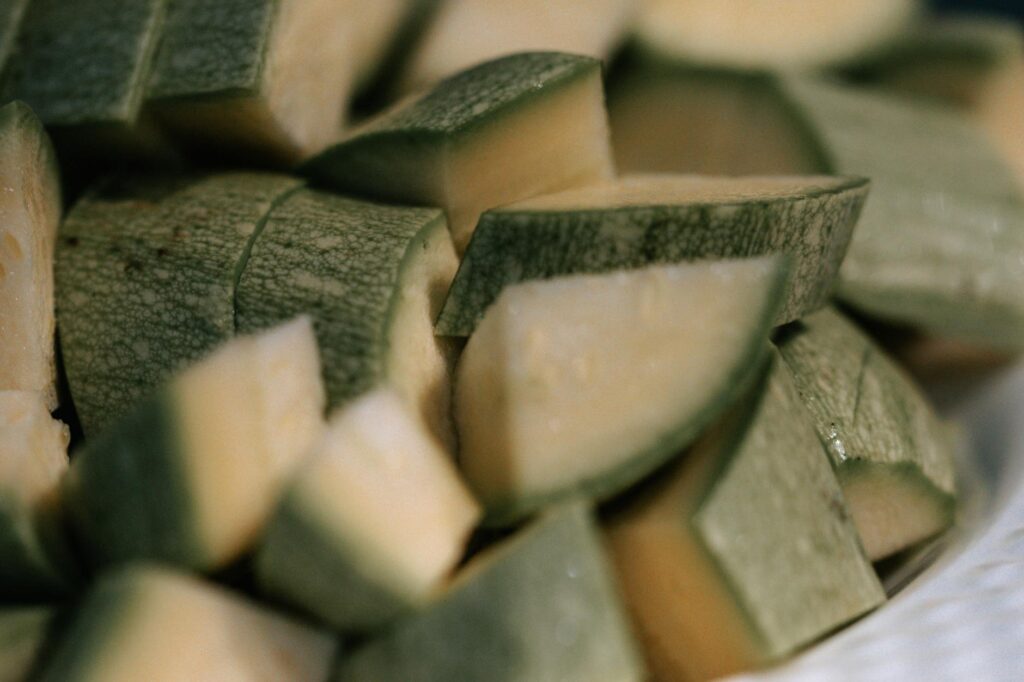
How to Store Zucchini
Introduction
Zucchini, a versatile summer squash, is a staple in kitchens around the world. Known for its mild flavor and adaptability, it can be used in a variety of dishes ranging from salads to stir-fries. However, like many perishable ingredients, proper storage is essential to maintain its quality and prolong its shelf life. This article provides a comprehensive guide on how to store zucchini effectively while exploring its uses, origins, and other relevant aspects.
What Are Uses?
In the context of food ingredients, “uses” refers to the various applications and culinary methods through which an ingredient can be utilized. Zucchini is celebrated for its multifaceted uses, not only as a main ingredient but also as a complementary component in many dishes. Its ability to absorb flavors makes it a favored choice in both savory and sweet preparations.
History and Origins
Zucchini, scientifically known as Cucurbita pepo, traces its roots back to Mesoamerica, where it was first cultivated by indigenous peoples. It is believed to have been domesticated around 5,000 years ago. The name “zucchini” comes from the Italian word “zucchina,” meaning small squash. This vegetable made its way to Europe in the 19th century and subsequently gained popularity in North America. Today, zucchini is grown in various climates worldwide, particularly in regions with warm weather.
Production and Processing
Zucchini is typically harvested when it is still immature, about 6 to 8 inches in length. The harvesting process is crucial to ensure the best texture and flavor. After harvesting, zucchini is often washed and packaged for distribution. It is important to handle zucchini with care during processing to avoid bruising, which can lead to a shorter shelf life.
Quality and Grading
Quality zucchini should have a firm texture, a glossy skin, and a vibrant green color. It should be free of blemishes, soft spots, or signs of decay. Grading is usually based on these visual characteristics, and the best-quality zucchini is typically found at farmers’ markets or specialized grocery stores. Consumers should look for zucchini that feels heavy for its size, as this indicates freshness and moisture content.
Buying Considerations
When purchasing zucchini, consider the following factors:
1. Seasonality: Fresh zucchini is most abundant during the summer months.
2. Size: Smaller zucchinis tend to be more tender and flavorful than larger ones, which can be watery and seedy.
3. Organic vs. Conventional: Organic zucchini may have a slightly higher price point but is often preferred for its reduced pesticide exposure.
4. Source: Local farmers’ markets can provide fresher options compared to large supermarkets.
Uses and Applications
Zucchini can be used in a myriad of culinary applications, including:
- Salads: Raw zucchini adds crunch and moisture to salads. It can be spiralized into noodles or sliced thinly for textural contrast.
- Cooking: Sautéing, grilling, or roasting zucchini enhances its natural sweetness, making it a popular addition to various dishes.
- Baking: Grated zucchini is often incorporated into baked goods such as breads and muffins, adding moisture without overwhelming flavor.
- Soups and Stews: Zucchini can be blended into soups for added creaminess or diced into stews to provide body and nutrients.
- Preservation: Zucchini can be pickled or canned, extending its shelf life and allowing it to be enjoyed year-round.
- Short-Term Storage: If you plan to use zucchini within a day or two, it can be stored at room temperature. However, it is best to keep it away from direct sunlight and in a cool, dry place.
- Longer Storage: For extended freshness, zucchini should be stored in the refrigerator. Place it in a plastic bag or a produce drawer to help retain moisture. It is advisable to keep zucchini unwashed until ready to use, as excess moisture can lead to spoilage.
- Shelf Life: Fresh zucchini can last about 4 to 7 days in the refrigerator. Look out for signs of wilting or soft spots, which indicate deterioration.
- Long-Term Storage: If you wish to store zucchini for several months, freezing is an excellent option. First, wash and slice the zucchini into desired shapes. Blanch the pieces in boiling water for 1 to 2 minutes, then plunge them into ice water to halt the cooking process. After draining, pat them dry and place them in airtight freezer bags. Frozen zucchini can last up to 3 months.
- Extended Freshness: Vacuum sealing zucchini can significantly extend its shelf life. This method removes air, reducing the chances of spoilage. If vacuum-sealed and refrigerated, it can last up to 2 weeks.
Storage and Shelf Life
Proper storage of zucchini is crucial for maintaining its freshness and flavor. Here are some effective storage methods:
Room Temperature
Refrigeration
Freezing
Vacuum Sealing
Common Misconceptions
1. Zucchini Should Be Stored in Water: Some believe that storing zucchini in water will keep it fresh. In reality, excess moisture promotes mold growth and accelerates spoilage.
2. All Zucchini Is the Same: While zucchini is often treated as a uniform ingredient, variations exist in size, color, and flavor, which can affect their culinary applications.
3. You Can Store Zucchini with Other Vegetables: It is best to store zucchini separately, as it emits ethylene gas, which can hasten the ripening of other produce nearby.
Frequently Asked Questions
1. How do I know if zucchini is spoiled?
Look for signs such as a mushy texture, soft spots, discoloration,