
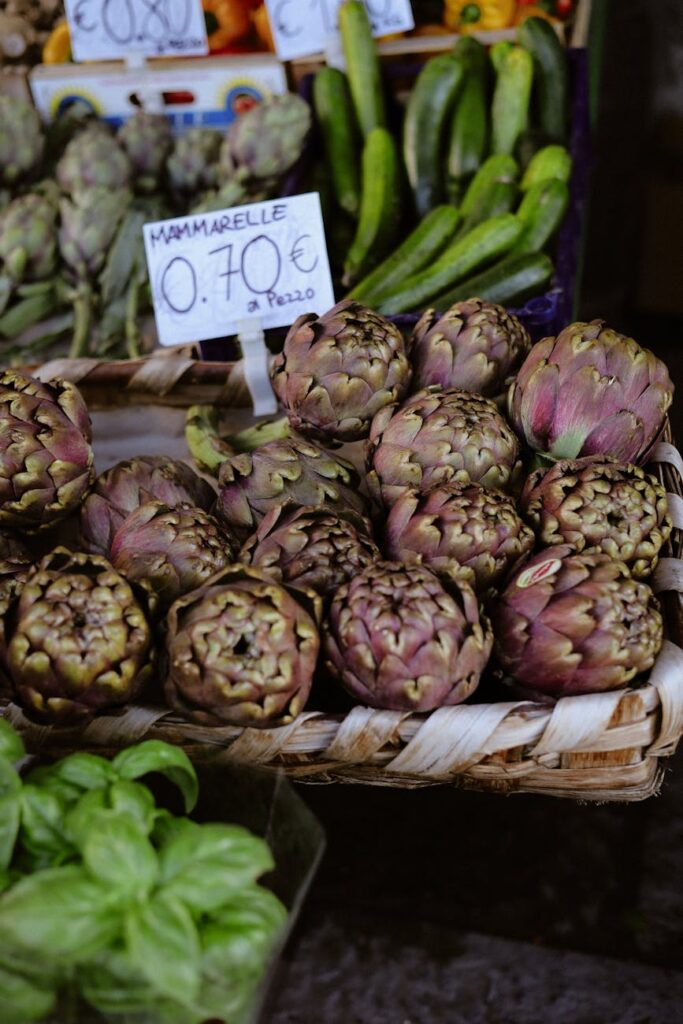
How to Use Artichoke Properly
Introduction
Artichokes are a unique and versatile vegetable that have captured the culinary world’s attention for centuries. With their striking appearance and distinct flavor, they are not only a staple in various cuisines but also a source of intrigue for home cooks and professional chefs alike. Understanding how to properly use artichokes can elevate your culinary skills and enhance your dishes, making them both delicious and visually appealing.
What Is Uses?
The term “uses” in this context refers to the various applications and culinary techniques associated with artichokes. From preparation methods to their incorporation into various dishes, understanding the uses of this ingredient is essential for maximizing its potential in the kitchen. Proper utilization can range from simple steaming and grilling to more complex forms of preparation, such as marinating or stuffing.
History and Origins
Artichokes (Cynara scolymus) are believed to have originated in the Mediterranean region, particularly in areas such as Southern Europe and North Africa. The plant has a rich history, dating back to ancient times when it was cultivated by the Greeks and Romans for both culinary and medicinal purposes. The artichoke was even lauded by the Roman philosopher Pliny the Elder, who praised its taste and health benefits.
In the 16th century, artichokes made their way to the Americas, thanks to Spanish explorers. The vegetable gained popularity in the United States in the 20th century, particularly in California, where the ideal climate allowed for its large-scale cultivation. Today, California remains the leading producer of artichokes in the U.S., with Castroville being dubbed the “Artichoke Capital of the World.”
Production and Processing
Artichokes are cultivated primarily in temperate climates, thriving in well-drained soil with ample sunlight. The plant is a perennial, typically growing from a root system that can last for several years. Harvesting occurs when the buds are still closed, which is crucial for maintaining their tenderness and flavor.
Once harvested, artichokes undergo minimal processing. They are typically washed and sorted before being packaged for distribution. Fresh artichokes are often sold whole, while others may be found canned or jarred, marinated, or frozen. The processing methods can affect the flavor profile and texture, so it’s essential to choose the form that aligns with your culinary intentions.
Quality and Grading
When selecting artichokes, quality is paramount. High-quality artichokes are firm to the touch, with tightly closed petals and a vibrant green color. The size can vary, but generally, smaller artichokes are considered more tender and flavorful.
Grading is often based on size, appearance, and freshness. The United States Department of Agriculture (USDA) has established grading standards that help consumers identify the best artichokes available. Look for labels indicating “U.S. No. 1” or similar classifications for the highest quality. Avoid any artichokes that show signs of browning, wilting, or pest damage.
Buying Considerations
When purchasing artichokes, consider the following tips to ensure you select the best quality:
1. Freshness: Opt for artichokes that feel heavy for their size and have tightly closed leaves. Freshness is key to flavor and texture.
2. Seasonality: Artichokes are typically in season from March to May in the Northern Hemisphere. Buying during this period often guarantees better quality and price.
3. Varieties: Familiarize yourself with different varieties, such as Green Globe, Imperial Star, and Violetto. Each has unique characteristics that can affect usage.
4. Storage: If you aren’t using artichokes immediately, understand their storage needs. Fresh artichokes should be stored in the refrigerator, ideally in a perforated bag.
Uses and Applications
Artichokes can be utilized in a myriad of ways across various culinary settings:
Cooking Methods
1. Boiling and Steaming: These are the most common methods for preparing artichokes. Boiling takes about 30 to 45 minutes, while steaming generally requires a similar time frame but offers enhanced flavor retention.
2. Grilling: Grilled artichokes provide a smoky flavor that complements their natural earthiness. Halve the artichoke, remove the inner choke, and brush with oil before grilling.
3. Baking and Roasting: Artichokes can also be baked or roasted, often with added herbs and spices for flavor enhancement. This method allows the leaves to become crispy and adds depth to the dish.
4. Stuffing: Stuffed artichokes are a classic preparation that involves filling the inner leaves with a mixture of breadcrumbs, herbs, and cheese before baking or steaming.
Culinary Applications
- Salads: Artichokes can be added to salads either whole, as halves, or in pieces. Their unique texture and taste provide a contrast to other ingredients.
- Dips: Artichoke-based dips, such as spinach and artichoke dip, harness the vegetable’s creamy texture when blended or baked, making it a popular appetizer.
- Pasta Dishes: Artichokes can be incorporated into pasta dishes, either as a main ingredient or as an added flavor component.
- Casseroles and Bakes: The versatility of artichokes allows them to be included in casseroles, where they can soak up flavors from other ingredients.
Storage and Shelf Life
Fresh artichokes can be stored in the refrigerator for up to a week. It is advisable to keep them in a perforated plastic bag to maintain moisture while allowing for air circulation. If you notice any browning or wilting, use them promptly to avoid spoilage.
For cooked artichokes, they can be stored in an airtight container in the refrigerator for up to three days. Freezing is also an option for cooked artichokes, though it is recommended to blanch them beforehand to preserve color and nutrients.
Common Misconceptions
1. Artichokes Are Difficult to Prepare: While they may seem intimidating at first, artichokes are quite straightforward to prepare. Once you learn the basic techniques, they can easily become a regular part of your cooking repertoire.
2. All Artichokes Are the Same: There are various types of artichokes, each with distinct flavors and textures. Understanding these differences can enhance your cooking experience.
3. Artichokes Are Only for Gourmet Cooking: Artichokes can be used in everyday meals, not just in fine dining. They can elevate simple dishes and provide nutritional benefits.
4. You Can Only Eat the Heart: While the heart is a delicacy, the leaves and even the stems of the artichoke are edible and delicious when prepared correctly.
Frequently Asked Questions
1. How do I choose the best artichoke?
Look for firm artichokes with tightly closed leaves and a vibrant green color. They should feel heavy for their size and have no signs of browning or wilting.
2. What part of the artichoke is edible?
The edible parts include the tender leaves, the heart, and the stem. The inner choke is inedible but can be removed before cooking.
3. Can artichokes be eaten raw?
Yes, young, tender artichokes can be eaten raw. They can be sliced thinly and added to salads for a crunchy texture.
4. How do I prepare an artichoke for cooking?
Start by trimming the stem and cutting off the top inch of the artichoke. Use scissors to trim the tips of the leaves, especially if they are pointy. Rinse thoroughly and remove any discolored leaves.
5. What are the best cooking methods for artichokes?
Boiling, steaming, grilling, and baking are all effective methods for cooking artichokes. The best method depends on your intended dish and flavor preferences.
6. How can I store leftover cooked artichokes?
Store cooked artichokes in an airtight container in the refrigerator for up to three days. If you want to keep them longer, consider freezing them after blanching.
—
Understanding how to use artichokes properly can enhance your culinary expertise and open up a world of flavors and textures in your cooking. By following the guidance laid out in this article, you can confidently incorporate this remarkable ingredient into your meals, delighting both yourself and those you share your creations with.