
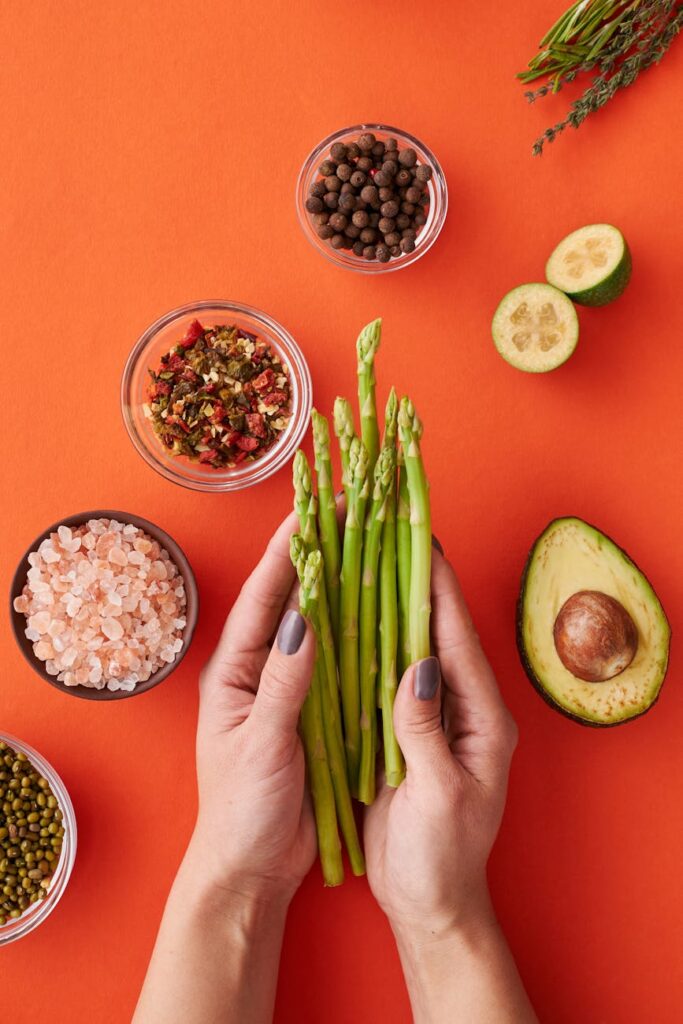
How to Use Asparagus Properly
Introduction
Asparagus, a nutrient-rich vegetable known for its delicate flavor and unique texture, has been cherished for centuries across various cultures. This versatile ingredient can elevate a multitude of dishes, from simple salads to elaborate entrees. Understanding how to use asparagus properly not only enhances one’s culinary skills but also maximizes the enjoyment of this seasonal delicacy. This article delves into the various aspects of asparagus—its history, production, grading, and applications—equipping you with the knowledge to appreciate and utilize this green gem effectively.
What Is Uses?
The term “uses” in the culinary context refers to the various ways an ingredient can be incorporated into dishes, the techniques employed to prepare it, and the specific applications it serves in different cuisines. For asparagus, this encompasses a wide range of uses, from raw applications in salads to cooked methods such as grilling, steaming, and roasting. Each method brings out different flavors and textures, making it essential to understand the best practices for utilizing asparagus in your cooking.
History and Origins
Asparagus has a rich history dating back over 2,000 years. It is believed to have originated in the Mediterranean region, particularly in countries like Greece and Egypt. The name “asparagus” is derived from the Greek word “asparagos,” which translates to “shoot” or “sprout.” Ancient civilizations valued asparagus for its medicinal properties, using it to treat various ailments.
Over the centuries, asparagus cultivation spread throughout Europe and eventually to the Americas, where it became a staple in many cuisines. Today, asparagus is grown in a variety of climates, with the United States, Mexico, and China being among the largest producers. The popularity of asparagus continues to rise, thanks to its nutritional benefits and culinary versatility.
Production and Processing
Asparagus is a perennial plant that thrives in well-drained soil and requires a specific growing season, typically from early spring to early summer. The harvesting of asparagus is a meticulous process, as only the tender young shoots are selected. These shoots are cut by hand, ensuring that only the highest quality spears make it to market.
Once harvested, asparagus is often processed to maintain freshness. This may include washing, trimming, and packaging for distribution. Due to its delicate nature, asparagus is best consumed fresh, but it can also be blanched and frozen to extend its shelf life.
Quality and Grading
The quality of asparagus is determined by several factors, including size, color, and firmness. When purchasing asparagus, look for spears that are bright green and have tightly closed tips. The thickness of the spear varies; thinner spears are often more tender, while thicker ones tend to have a more robust flavor.
Grading standards for asparagus typically include:
- U.S. No. 1: The highest quality, with straight, firm spears devoid of blemishes.
- U.S. No. 2: Slightly lower quality, may have minor imperfections but is still suitable for consumption.
- U.S. No. 3: Often used for processing, these may be misshapen or have more significant blemishes.
- Salads: Thinly sliced raw asparagus can add a crunchy texture and fresh flavor to salads. Pair with citrus vinaigrettes or creamy dressings for a delightful contrast.
- Platter: Serve raw asparagus spears as part of a vegetable platter, accompanied by dips like hummus or ranch dressing.
- Grilling: Grilled asparagus develops a smoky flavor and tender texture. Brush with olive oil and season with salt for a simple yet delicious side dish.
- Roasting: Roasting asparagus in the oven concentrates its natural sweetness. Simply toss with olive oil, salt, and pepper before baking at high temperatures.
- Steaming: Steaming asparagus preserves its bright color and nutrients. This method is ideal for maintaining its crispness.
- Sautéing: Quickly sautéing asparagus with garlic and herbs enhances its flavor while keeping it tender-crisp.
- Proteins: Chicken, fish, and eggs complement asparagus beautifully.
- Grains: Quinoa, rice, and pasta can serve as excellent bases for asparagus dishes.
- Dairy: Cheese, particularly parmesan and goat cheese, enhances the flavor of asparagus in salads and baked dishes.
- Refrigeration: Store asparagus in the refrigerator, preferably upright in a container with a small amount of water to keep the ends hydrated. Cover the spears loosely with a plastic bag.
- Short-term storage: Fresh asparagus can last about 3 to 5 days when stored correctly.
- Long-term storage: For extended shelf life, blanch asparagus in boiling water for a couple of minutes, then cool it quickly in ice water before freezing. Properly frozen asparagus can last for several months.
Understanding these grading systems helps consumers select the best asparagus for their culinary needs.
Buying Considerations
When buying asparagus, consider the following factors to ensure you select the freshest and highest quality product:
1. Seasonality: Asparagus is typically in season from March to June, depending on the region. Buying in-season asparagus ensures optimal flavor and freshness.
2. Appearance: Choose spears that are vibrant green, with no yellowing or wilting. The tips should be tightly closed, indicating freshness.
3. Storage conditions: If possible, purchase asparagus that has been stored in cool, moist conditions. This will help maintain its crispness.
4. Source: Local farmers’ markets often offer the freshest options, as the asparagus is likely to have been harvested recently.
5. Organic vs. Conventional: Organic asparagus is grown without synthetic fertilizers and pesticides, making it a preferable choice for those concerned about chemical exposure.
Uses and Applications
Asparagus is a versatile ingredient that can be used in numerous culinary applications:
Raw Uses
Cooked Uses
Culinary Pairings
Asparagus pairs well with various ingredients, including:
Storage and Shelf Life
Proper storage is essential to maintain the freshness and quality of asparagus. Here are some tips for optimal storage:
Common Misconceptions
Asparagus is often surrounded by misconceptions that can deter some from fully enjoying its benefits:
1. Only available in spring: While asparagus is most commonly associated with spring, it can be found year-round in some regions due to greenhouse cultivation.
2. All asparagus is the same: There are several varieties of asparagus, including green, white, and purple. Each has its unique flavor profile and uses in cooking.
3. Asparagus must be cooked: While many enjoy asparagus cooked, it can also be delicious when consumed raw, adding crunch and freshness to dishes.
4. Asparagus is difficult to prepare: In reality, asparagus is quite easy to prepare. With simple trimming and cooking techniques, anyone can enjoy this vegetable.
Frequently Asked Questions
1. How do I know when asparagus is fresh?
Fresh asparagus should be bright green, with tightly closed tips and firm stalks. Avoid any that appears wilted or has yellowing tips.
2. Can I eat asparagus raw?
Yes, asparagus can be eaten raw. It can be sliced thinly and added to salads or enjoyed as part of a vegetable platter.
3. What is the best way to cook asparagus?
The best cooking method depends on personal preference. Popular methods include grilling, roasting, steaming, and sautéing, each offering a unique flavor and texture.
4. How should I store asparagus?
Store asparagus in the refrigerator, ideally upright in a container with water, and cover loosely with a plastic bag. This helps maintain its freshness.
5. Is asparagus available year-round?
While asparagus is primarily a spring vegetable, it can be found year-round in some regions, thanks to greenhouse farming and international imports.
6. What are the different types of asparagus?
The most common types are green, white, and purple asparagus. Each variety has its distinct flavor and culinary applications.
Asparagus is a remarkable ingredient that deserves a prominent place in your culinary repertoire. By understanding its history, production, and versatility, you can appreciate not only the flavor it brings but also the cultural significance it holds. Whether enjoyed raw or cooked, asparagus is a delightful addition to any meal, offering both nutritional benefits and culinary possibilities.