
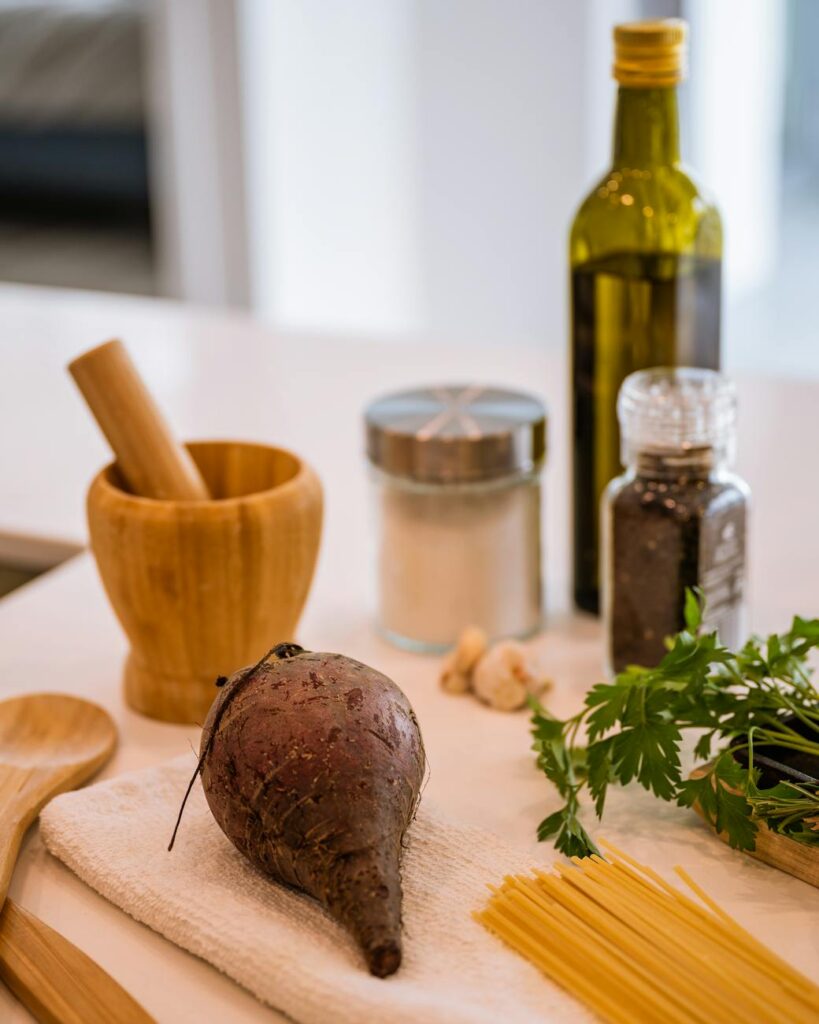
How to Use Beetroot Properly
Introduction
Beetroot, often simply referred to as beet, is a vibrant and versatile root vegetable that has garnered attention for its distinct flavor, nutritional benefits, and culinary applications. Whether consumed raw, cooked, or juiced, beetroot has become a staple in various cuisines worldwide. This comprehensive guide aims to explore the multifaceted uses of beetroot, providing insights into its history, production, quality considerations, and more.
What Is Uses?
In the context of food ingredients, “uses” refers to the various ways an ingredient can be employed in culinary applications, including cooking, garnishing, and preserving. Understanding the uses of beetroot not only enriches culinary knowledge but also enhances the appreciation of this nutrient-rich vegetable. From salads and soups to juices and smoothies, beetroot’s versatility makes it a valuable addition to any kitchen.
History and Origins
The history of beetroot can be traced back to ancient civilizations, where it was cultivated for both its leaves and roots. Initially, the wild beet, known as Beta vulgaris, was primarily used for its greens. The root we commonly consume today was domesticated in the Mediterranean region around the 2nd century B.C. Over centuries, beetroot spread across Europe, Asia, and eventually the Americas, where it became a popular staple.
The development of varieties such as the sugar beet in the 18th century revolutionized the sugar industry, paving the way for beetroot to be recognized not only as a food source but also as a key agricultural product. Today, beetroot is cultivated globally, with notable production in countries like Russia, the United States, and France.
Production and Processing
Beetroot thrives in temperate climates, requiring well-drained soil and ample sunlight. The growing season typically spans from spring to late fall, depending on the region. Once harvested, beetroot undergoes a series of processing steps to enhance its flavor and prolong shelf life. These processes may include washing, peeling, cooking, or pickling.
Beetroot can be consumed in various forms: raw, roasted, boiled, or juiced. Each method of preparation influences its flavor profile and nutritional properties. For instance, roasting beetroot brings out its natural sweetness, while boiling may result in a milder taste. Understanding these processing techniques is essential for maximizing flavor and nutritional value.
Quality and Grading
When it comes to beetroot, quality is paramount. Fresh beetroot should have smooth, unblemished skin, vibrant color, and firm texture. Quality grading is typically based on factors such as size, shape, and overall appearance. Higher-grade beetroots are generally more desirable for culinary uses.
In commercial settings, beetroot is often graded into categories, with premium-grade beetroots being suitable for high-end culinary applications, while lower grades may be used for processed products. Buyers should be aware of these grading systems to select the best quality produce for their needs.
Buying Considerations
When purchasing beetroot, various factors should be considered to ensure optimal quality. Look for beetroots that are firm to the touch, with a deep, rich color. Smaller beetroots tend to be sweeter and more tender, while larger ones may possess a tougher texture. Additionally, consider the leaves; fresh beet greens can be a flavorful addition to salads or cooked dishes.
Purchasing seasonal, locally grown beetroot is often advisable, as it tends to have superior flavor and nutritional content. Organic options are also available and may be preferable for those concerned about pesticide residues.
Uses and Applications
Beetroot’s culinary versatility is one of its most appealing attributes. Below are some popular uses and applications:
Culinary Uses
1. Raw Preparations: Beetroot can be grated or sliced thinly to add crunch and color to salads. Its natural sweetness pairs well with citrus and tangy dressings.
2. Cooking Methods: Roasting, boiling, steaming, or sautéing beetroot enhances its flavors. Roasting caramelizes the sugars, creating a sweeter taste, while boiling can soften the vegetable for use in soups or purées.
3. Soups: Beetroot is the star ingredient in various soups, notably borscht, a traditional Eastern European dish. Its vibrant color and earthiness provide a rich base for soups.
4. Juicing: Beetroot juice has gained popularity for its vibrant color and purported health benefits. It can be consumed alone or blended with other fruits and vegetables for a nutrient-rich beverage.
5. Pickling: Pickled beetroot is a common preservation method that enhances its shelf life while adding a tangy flavor. Pickled beets can be used in salads, sandwiches, or as a side dish.
6. Baking: Beetroot can be used as a natural coloring agent in baked goods, such as cakes and brownies. It adds moisture and a subtle sweetness while providing a visually appealing hue.
Non-Culinary Uses
Beyond the kitchen, beetroot has found applications in various industries. Its natural pigments are used in food coloring, cosmetics, and textiles. Additionally, beetroot extracts are utilized in the production of natural dyes and as a flavoring agent in various products.
Storage and Shelf Life
Proper storage is essential for maintaining the freshness and quality of beetroot. Whole, unpeeled beetroot can be stored in a cool, dark place for several weeks. Refrigeration is advisable for longer storage; place them in a plastic bag in the vegetable crisper drawer.
Once cooked or processed, beetroot should be stored in airtight containers in the refrigerator and consumed within a few days to ensure optimal flavor and texture. Frozen beetroot can last for several months, making it a convenient option for future use.
Common Misconceptions
Despite its popularity, several misconceptions about beetroot persist:
1. Beetroot is Only for Salads: While salads are a common application, beetroot can be incorporated into a wide range of dishes, from soups to desserts.
2. All Beetroot Tastes Earthy: The flavor of beetroot can vary significantly depending on its preparation method. Roasting often enhances sweetness, while raw beetroot offers a more pronounced earthiness.
3. Beetroot is Difficult to Cook: Beetroot may seem intimidating, but it is relatively easy to prepare. With various cooking methods available, it can be tailored to suit different culinary preferences.
Frequently Asked Questions
1. Can beetroot be eaten raw?
Yes, beetroot can be consumed raw. It can be grated or sliced to add to salads and slaws, providing a crunchy texture and vibrant color.
2. How do I know if beetroot is fresh?
Fresh beetroot should have smooth, unblemished skin, a firm texture, and a deep, rich color. Avoid beetroots that are soft, shriveled, or have blemishes.
3. What is the best way to cook beetroot?
The best cooking method depends on personal preference. Roasting enhances sweetness, boiling softens the texture, and steaming retains nutrients. Each method offers a unique flavor profile.
4. Can beetroot be frozen?
Yes, beetroot can be frozen. After cooking, allow it to cool, then place it in airtight containers or freezer bags. It can be stored for several months.
5. Are there different types of beetroot?
Yes, there are several varieties of beetroot, including red, golden, and striped (candy cane) beets. Each variety has its unique flavor profile and culinary applications.
6. How can I remove beetroot stains from my hands?
Beetroot can stain skin and surfaces. To remove stains, wash your hands with soap and water immediately after handling. If stains persist, lemon juice or vinegar can help lift the color.
Conclusion
Beetroot is a remarkable ingredient that offers a range of culinary possibilities. From its historical significance to its modern-day applications, understanding how to use beetroot properly can elevate your culinary endeavors. Whether you’re incorporating it into salads, soups, or beverages, the versatility and vibrancy of beetroot make it a valuable addition to any kitchen. With the right knowledge and techniques, you can harness the full potential of this nutritious root vegetable.