
How to Use Black Pepper Properly
Introduction
Black pepper, known scientifically as Piper nigrum, is one of the most widely used spices in the world. Often referred to as the “king of spices,” it has transcended cultures and cuisines, earning its place in kitchens globally. This article explores the multifaceted uses of black pepper, delving into its historical significance, production methods, quality assessment, and practical applications in cooking and beyond.
What Is Uses?
When discussing the “uses” of an ingredient like black pepper, we refer to its applications in culinary practices, its role in enhancing flavors, as well as its diverse uses in various industries. Understanding these applications can elevate culinary skills and lead to a deeper appreciation for this remarkable spice.
History and Origins
Black pepper has a rich history that dates back thousands of years. Native to the Malabar Coast of India, it was a highly sought-after commodity in ancient trade routes. The spice has been referenced in texts dating as far back as 4000 BCE, making it one of the oldest spices known to humanity. It was so valuable that it was often referred to as “black gold,” and its trade significantly influenced global exploration and economic dynamics.
The ancient Romans and Greeks praised black pepper for its flavor and medicinal properties, and it became a staple in medieval European cuisine. The spice was so prized that it was used as currency and offered as tribute to kings and emperors. Its journey across the globe is a testament to its enduring appeal and versatility.
Production and Processing
The production of black pepper involves several stages, from cultivation to processing. The plant thrives in tropical climates, requiring specific conditions such as humidity and warm temperatures. Black pepper is harvested from the unripe berries of the Piper nigrum plant.
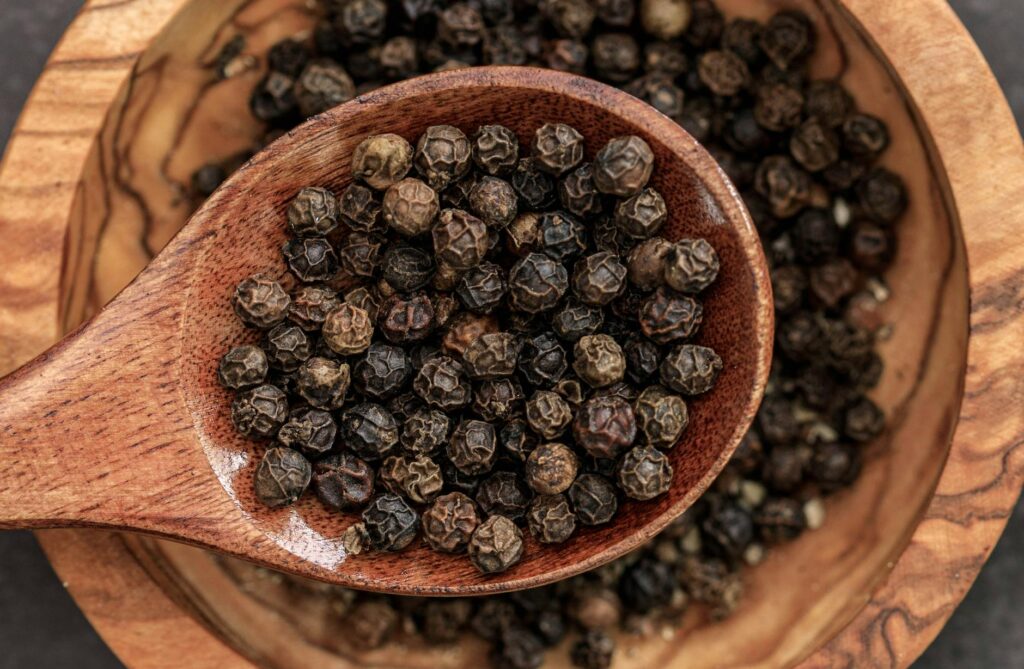
Once harvested, the berries are boiled briefly and then sun-dried, which causes the skin to shrivel and turn black. This drying process is crucial, as it not only enhances the spice’s flavor but also contributes to its longevity. The dried berries are known as peppercorns and can be used whole or ground into a powder.
The quality of black pepper can vary significantly based on factors such as origin, variety, and processing techniques. Each factor plays a role in the spice’s flavor profile and aromatic qualities.
Quality and Grading
Quality assessment of black pepper is essential for both consumers and culinary professionals. Grading systems typically categorize this spice based on size, color, and overall appearance. The most common grades include:
- Tellicherry Pepper: Sourced from India, this premium grade is known for its larger size and robust flavor.
- Malabar Pepper: Also from India, this variety is slightly smaller and has a more earthy profile.
- Vietnamese Pepper: Recognized for its pungency and heat, this variety has gained popularity in recent years.
- Lampong Pepper: Hailing from Indonesia, this pepper is characterized by its strong aroma and sharp flavor.
When purchasing black pepper, it is crucial to consider these quality indicators, as they can significantly affect the taste and overall culinary experience.
Buying Considerations
When buying black pepper, whether whole or ground, several key factors should be taken into account:
1. Form: Whole peppercorns generally retain their flavor better than pre-ground options. Consider investing in a quality pepper mill for optimal freshness.
2. Origin: Different regions produce distinct flavor profiles. Familiarize yourself with the various types and their characteristics to choose the best one for your culinary needs.
3. Packaging: Opt for airtight containers that protect against moisture and light, both of which can diminish flavor.
4. Freshness: Look for products with a recent harvest date. Freshness is paramount in maintaining the robust flavor of black pepper.
5. Organic Options: If sustainability and chemical exposure are concerns, consider purchasing organic black pepper.
Uses and Applications
Black pepper’s versatility extends far beyond simply seasoning food. Here are several noteworthy applications:
Culinary Uses
1. Seasoning: Black pepper is a staple in most cuisines. It enhances the flavor of meats, vegetables, soups, and sauces, providing a subtle heat that complements a wide array of dishes.
2. Marinades and Rubs: The spice is often included in marinades and dry rubs to impart a complex layer of flavor. Its pungency pairs well with various herbs and spices.
3. Pairing with Other Ingredients: Black pepper pairs exceptionally well with salt, garlic, and citrus, making it a foundational ingredient in many recipes.
Preservation
Historically, black pepper has been used as a preservative due to its antimicrobial properties. While modern preservation techniques have largely replaced this function, it can still contribute to the longevity of certain dishes, particularly in pickling processes.
Infusions and Flavorings
Black pepper can also be used to infuse oils and vinegar, lending its complex flavor to dressings and marinades. Infused oils can be a delightful addition to salads or drizzled over finished dishes.
Non-Culinary Uses
1. Aromatherapy: The essential oil extracted from black pepper is used in aromatherapy for its invigorating and warming properties.
2. Cosmetics: Black pepper oil is sometimes incorporated into skincare products, touted for its antioxidant properties.
3. Household Uses: Its antimicrobial properties make it a natural option for cleaning solutions.
Storage and Shelf Life
To preserve the quality of black pepper, proper storage is essential. Whole peppercorns should be kept in a cool, dark place in an airtight container to minimize exposure to moisture and light. When stored correctly, whole peppercorns can maintain their flavor for up to three years.
Ground black pepper has a shorter shelf life and is best used within six months to a year for optimal flavor. Always check for signs of loss of aroma or taste before use, as this can indicate that the spice has aged beyond its prime.
Common Misconceptions
Despite its widespread use, several misconceptions surround black pepper:
1. All Black Pepper Is the Same: The flavor and intensity of black pepper can vary significantly depending on its origin, variety, and processing methods.
2. Ground Pepper Is Always Better: While ground pepper is convenient, it often lacks the freshness and potency of whole peppercorns. Grinding fresh pepper enhances its flavor and aroma.
3. Black Pepper Is Only for Savory Dishes: While it is predominantly used in savory cuisines, black pepper can also complement sweet dishes, such as chocolate desserts or fruit salads.
Frequently Asked Questions
1. Is black pepper safe to consume in large quantities?
While black pepper is generally safe in culinary amounts, excessive consumption may lead to gastrointestinal discomfort. Moderation is key.
2. How can I tell if black pepper has gone bad?
Signs of aging include a loss of aroma and flavor. If your black pepper smells flat or stale, it’s time to replace it.
3. Can I use black pepper in baking?
Yes, black pepper can add an interesting depth to baked goods, particularly in spiced cakes or cookies, where it complements sweet ingredients.
4. What are the differences between black, white, and green pepper?
Black pepper is made from unripe berries, while white pepper comes from ripe berries with the outer layer removed. Green pepper is harvested before maturity and is often pickled or freeze-dried.
5. How long does black pepper last?
Whole black peppercorns can last for up to three years when stored properly, while ground black pepper is best used within six months to a year.
6. Can black pepper be used in beverages?
Yes, black pepper can be used in various beverages, particularly in spiced teas and cocktails, adding a unique twist to traditional flavors.
—
In conclusion, black pepper is not merely a seasoning; it is a multifaceted ingredient with a rich history and diverse applications. Understanding how to use it properly can enhance culinary experiences, making it an indispensable addition to any kitchen.