
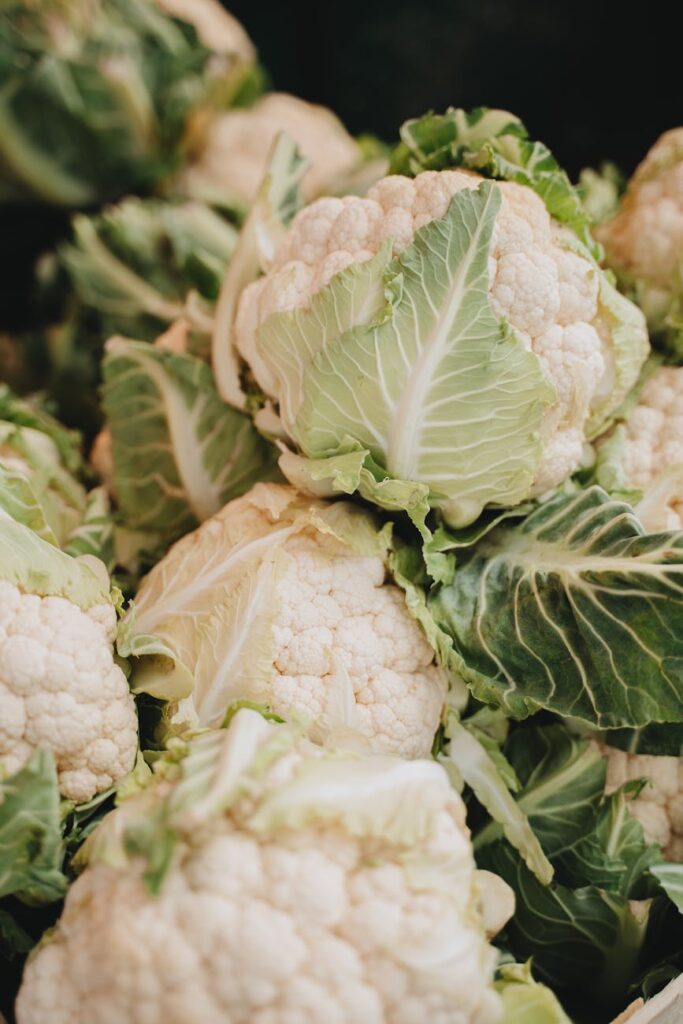
How to Use Cauliflower Properly
Introduction
Cauliflower has emerged as a versatile culinary ingredient that transcends its modest beginnings. Once regarded merely as a side dish, it has found its way into mainstream cuisine, beloved for its adaptability and nutritional benefits. This article will explore the myriad uses of cauliflower, shedding light on its history, production, storage, and common misconceptions.
What Is Uses?
In the culinary context, “uses” refer to the various ways an ingredient can be incorporated into dishes, enhancing flavor, texture, and nutritional value. For cauliflower, its uses span from traditional applications to innovative adaptations in modern cooking techniques, such as gluten-free alternatives and plant-based diets. Understanding these uses can empower cooks at all levels to incorporate cauliflower into their meals effectively.
History and Origins
Cauliflower is a member of the Brassica oleracea species, which also includes broccoli, kale, and Brussels sprouts. Its origins trace back to the Mediterranean region, where it was cultivated in ancient times. Historical texts suggest that cauliflower was a staple in the diets of Mediterranean civilizations as early as the Roman Empire.
The vegetable gained popularity in Europe during the 16th century, particularly in France and Italy. By the 18th century, its cultivation had spread to England, where it became a favored vegetable among the aristocracy. Over time, various cultivars were developed, leading to the diverse array of cauliflower varieties we see today, including white, purple, green, and orange.
Production and Processing
Cauliflower thrives in cool, temperate climates, making its growth optimal in spring and fall. It requires well-drained soil rich in organic matter and adequate water supply. Farmers often employ crop rotation to maintain soil health and prevent diseases.
The harvesting of cauliflower typically occurs when the heads are compact and firm, usually 7 to 12 weeks after planting, depending on the variety. Post-harvest processing involves trimming the leaves and cleaning the heads to remove any dirt or pests. Cauliflower can be sold fresh or processed into various forms, including frozen, canned, or dehydrated.
Quality and Grading
The quality of cauliflower is determined by several factors, including appearance, texture, and freshness. High-quality cauliflower should have tight, compact heads with no signs of browning or wilting. The leaves should be vibrant green, and the stem should be firm. Grading standards may vary by region, but generally, cauliflower is classified into different grades based on these quality indicators.
When selecting cauliflower, look for heads that feel heavy for their size and exhibit a uniform color. Avoid cauliflower with any soft spots, discoloration, or an off-putting odor, as these are signs of deterioration.
Buying Considerations
When purchasing cauliflower, consider the following factors to ensure you select the best quality:
1. Seasonality: Cauliflower is typically in season during the cooler months, from late fall to early spring. Purchasing in season often guarantees better flavor and freshness.
2. Variety: Be aware of the different varieties available. White cauliflower is the most common, but purple, green, and orange varieties offer unique flavors and nutritional profiles.
3. Local vs. Imported: If possible, buy locally grown cauliflower to support local farmers and reduce transportation time, which can affect freshness.
4. Organic vs. Conventional: Organic cauliflower may be more expensive but is grown without synthetic pesticides or fertilizers. Consider your preferences and budget when making a choice.
Uses and Applications
Cauliflower’s versatility makes it suitable for a wide range of culinary applications:
1. Culinary Uses
- Raw: Cauliflower can be enjoyed raw, making it a popular choice for crudités platters, salads, and dips. Its mild flavor allows it to complement various dressings and dips.
- Cooked: Cauliflower can be steamed, boiled, roasted, or sautéed. Each cooking method highlights different flavors and textures. Roasting, for instance, caramelizes the natural sugars, resulting in a sweet, nutty flavor.
- Substitutes: In recent years, cauliflower has gained fame as a substitute for grains and starches. Riced cauliflower is a popular alternative to rice, while cauliflower pizza crusts offer a gluten-free option for pizza lovers.
- Blending: Cauliflower can be blended into soups or sauces to create a creamy texture without the addition of dairy. This makes it an appealing option for those seeking lower-calorie alternatives.
- Refrigeration: Store cauliflower in the vegetable crisper drawer of your refrigerator. Keep it in its original packaging or a perforated plastic bag to allow for airflow.
- Duration: Fresh cauliflower can last up to a week in the refrigerator, depending on its initial quality. However, it is best consumed within a few days for optimal flavor.
- Freezing: If you have an excess of cauliflower, consider blanching and freezing it. Blanching helps preserve its color, flavor, and texture. Frozen cauliflower can last up to a year but may lose some texture upon thawing.
2. Nutritional Applications
Cauliflower is rich in vitamins C, K, and B6, along with dietary fiber. Its low carbohydrate content makes it a staple in low-carb and ketogenic diets. Additionally, its high antioxidant levels contribute to overall health, promoting a balanced diet.
3. Fermentation
Due to its sturdy structure, cauliflower is an excellent candidate for fermentation. Pickling cauliflower enhances its flavor and provides probiotic benefits. Fermented cauliflower can be used as a flavorful condiment or topping.
4. Flour Alternatives
Cauliflower flour is gaining popularity as a gluten-free alternative in baking. It can replace a portion of wheat flour in various recipes, adding moisture and nutrients while reducing the overall carbohydrate content.
Storage and Shelf Life
Proper storage is crucial to maintain cauliflower’s freshness and quality. Here are some best practices:
Common Misconceptions
Cauliflower is often surrounded by misconceptions that can hinder its appreciation:
1. Bland Flavor: Many believe cauliflower is bland and uninteresting. However, its mild flavor allows it to absorb spices and seasonings, making it a versatile ingredient.
2. Limited Uses: Some assume that cauliflower can only be served as a side dish. In reality, its adaptability allows it to shine in various roles, from main courses to desserts.
3. Difficult to Cook: While cooking cauliflower may seem intimidating, it is relatively straightforward. With a few basic techniques, anyone can prepare delicious cauliflower dishes.
4. Only for Health-Conscious Eaters: While cauliflower is popular among health-conscious individuals, its flavor and versatility appeal to a broad audience, making it suitable for any culinary enthusiast.
Frequently Asked Questions
1. Can cauliflower be eaten raw?
Yes, cauliflower can be eaten raw and is often enjoyed in salads, dips, or as a snack.
2. What are the different varieties of cauliflower?
Common varieties include white, purple, green, and orange cauliflower, each offering unique flavors and nutrients.
3. How can I prevent cauliflower from turning brown during cooking?
To prevent browning, avoid overcooking cauliflower. Steaming or blanching for a short time can help maintain its color and texture.
4. What is riced cauliflower?
Riced cauliflower is made by grating or processing cauliflower into small, rice-sized pieces, serving as a low-carb alternative to traditional rice.
5. How should I store leftover cooked cauliflower?
Store leftover cooked cauliflower in an airtight container in the refrigerator for up to three days.
6. Can cauliflower be frozen?
Yes, cauliflower can be frozen. Blanching it before freezing helps preserve its quality.
Conclusion
Cauliflower stands out as an ingredient with a rich history and diverse applications in modern cuisine. Its versatility allows for a wide range of culinary uses, from classic dishes to innovative alternatives. By understanding how to select, store, and utilize cauliflower properly, you can enhance your culinary repertoire and enjoy this nutritious vegetable to its fullest.