
How to Use Celeriac Properly
Introduction
Celeriac, also known as celery root, is a unique and versatile vegetable that is often overlooked in the culinary world. Its earthy flavor and robust texture make it an excellent ingredient in various dishes. Understanding how to use celeriac properly can elevate your cooking and expand your repertoire of ingredients. This article will delve into the uses of celeriac, its history, production, quality grading, and more, providing you with a comprehensive guide to this underappreciated root vegetable.
What Is Celeriac?
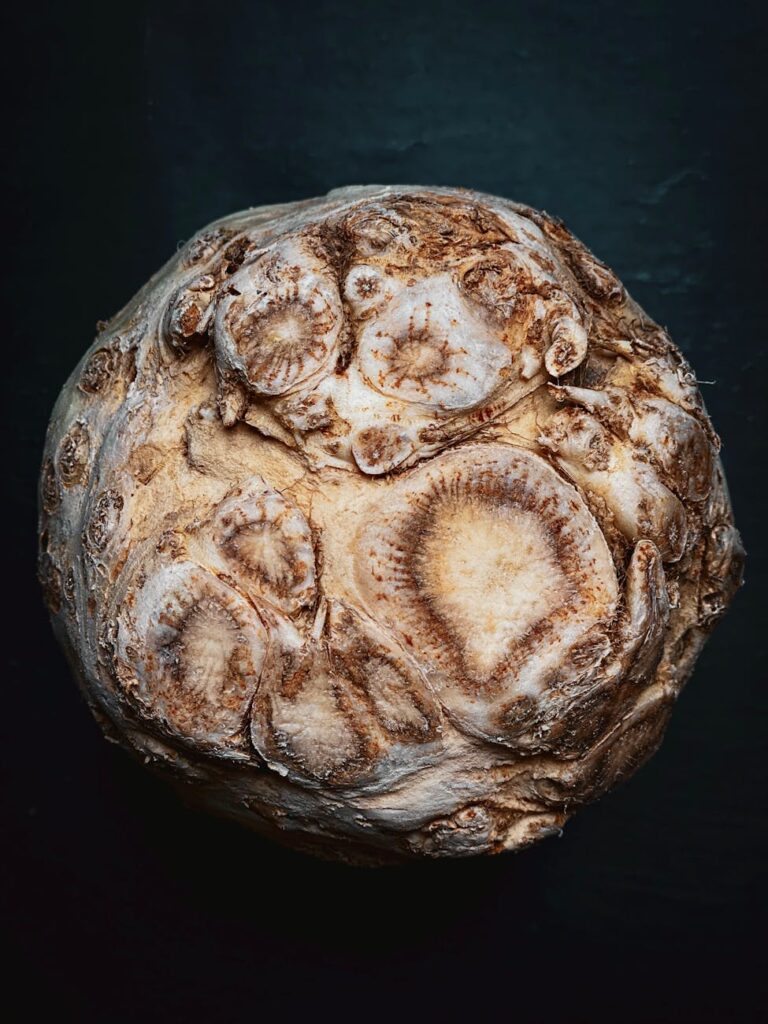
Celeriac (Apium graveolens var. rapaceum) is a variety of celery cultivated specifically for its edible root, rather than its stalks or leaves. It has a knobby, bulbous appearance with a rough, brownish skin. The flesh inside is creamy-white and possesses a subtle, aromatic flavor reminiscent of celery but with a more earthy undertone. Celeriac is not only valued for its taste but also for its nutritional benefits, making it a popular ingredient in various cuisines.
History and Origins
Celeriac has its origins in the Mediterranean region, where wild celery plants are believed to have been cultivated for thousands of years. The vegetable gained prominence in European cuisine during the 18th century, particularly in France, where it was embraced for its unique flavor and versatility in dishes. Over the years, celeriac has spread to various parts of the world, becoming a staple in many kitchens, particularly in European and Eastern European cooking.
Production and Processing
Celeriac is typically grown in temperate climates and thrives in well-drained, fertile soils. The growing season lasts around 120 to 150 days, during which the plant requires consistent moisture and care. Once harvested, celeriac must undergo proper processing to ensure its quality. This includes removing any damaged or diseased roots, followed by washing and peeling to prepare for culinary use.
Celeriac can be consumed raw or cooked and is often found in supermarkets and farmers’ markets. It is essential to choose celeriac that has a firm texture, with no soft spots or blemishes.
Quality and Grading
When purchasing celeriac, it is essential to consider its quality and grading. The best celeriac should be firm and heavy for its size, with a smooth surface and minimal blemishes. Higher-grade celeriac tends to have a more robust flavor and better texture, making it more desirable in culinary applications.
Quality can also be affected by the growing conditions, harvest time, and storage methods. Organic celeriac may be preferable for those concerned about pesticide use, although it is essential to wash all celeriac thoroughly before use, regardless of whether it is organic.
Buying Considerations
When selecting celeriac, there are several factors to consider:
- Freshness: Look for celeriac that feels heavy and firm. A fresh bulb should have minimal wrinkling or softness.
- Size: Smaller celeriac tends to be more tender and flavorful, while larger ones can be woodier and more fibrous.
- Appearance: The skin should be relatively smooth, and any dark spots or blemishes may indicate rot or age.
- Storage: Ensure that the celeriac is stored in a cool, dark place if not used immediately, as it can deteriorate quickly if exposed to light or warmth.
- Herbs: Thyme, parsley, and dill can enhance its flavor.
- Spices: Nutmeg and pepper can add warmth and depth.
- Fats: Olive oil, butter, and cream can create a rich, satisfying dish.
- Only for Soups and Stews: While celeriac is often associated with hearty dishes, it can be used in a variety of preparations, including salads and raw applications.
- Difficult to Prepare: Some consider celeriac challenging to
Uses and Applications
Celeriac is a versatile ingredient that can be used in numerous culinary applications:
Raw Applications
Celeriac can be enjoyed raw, often grated or thinly sliced in salads or slaws. Its crisp texture and mild flavor add a refreshing crunch to dishes. When combined with citrus or creamy dressings, celeriac can enhance the overall flavor profile of a salad.
Cooked Dishes
Celeriac can be roasted, boiled, or mashed, offering a unique alternative to traditional potatoes. Its earthy flavor pairs well with herbs and spices, making it an excellent addition to soups, stews, and gratins. Additionally, celeriac can be incorporated into purees, providing a creamy texture without the need for heavy cream or butter.
Fermentation
Due to its dense structure, celeriac is also suitable for fermentation. It can be pickled or used in kimchi, adding a unique flavor to the final product. Fermented celeriac can serve as a tangy condiment or side dish, complementing various cuisines.
Flavor Pairings
Celeriac pairs well with a variety of ingredients, including:
Garnishing
Celeriac can be spiralized or julienned to create visually appealing garnishes. Its unique shape and texture can add a sophisticated touch to plated dishes.
Storage and Shelf Life
To maximize the shelf life of celeriac, it should be stored in a cool, dark place, such as a root cellar or the vegetable drawer of a refrigerator. When properly stored, celeriac can last for several weeks.
If celeriac is cut or peeled, it is advisable to wrap it tightly in plastic wrap or store it in an airtight container to prevent oxidation and maintain its freshness. Consuming celeriac while it is still firm ensures the best flavor and texture.
Common Misconceptions
Despite its growing popularity, several misconceptions about celeriac persist: