
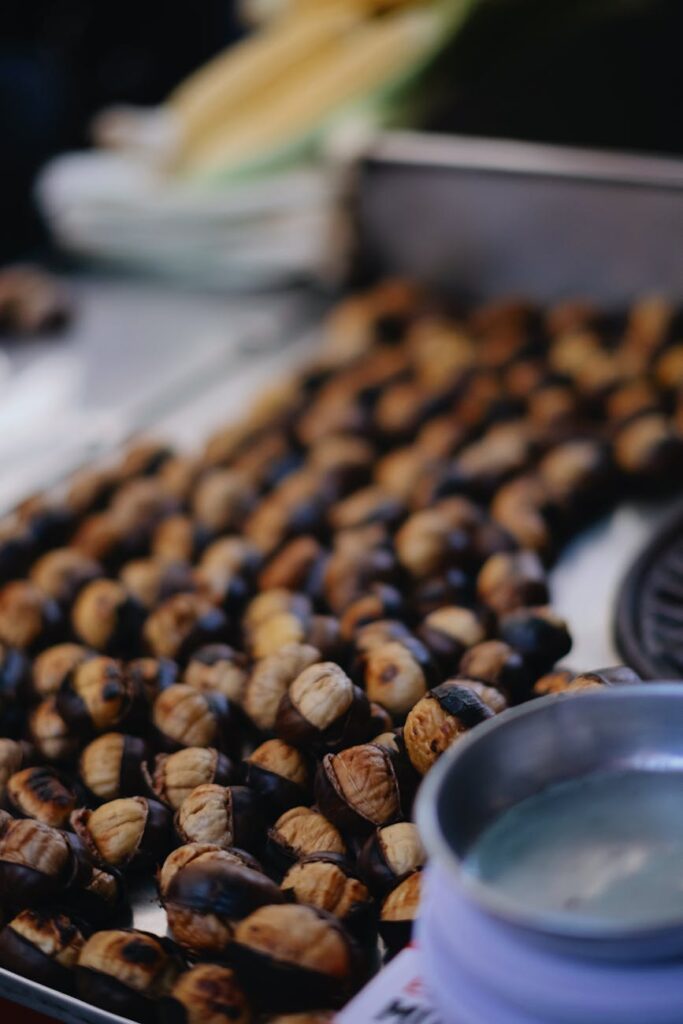
How to Use Chestnut Puree Properly
Introduction
Chestnut puree, a versatile and nutrient-rich ingredient, is gaining popularity in culinary circles worldwide. Known for its sweet, earthy flavor and creamy texture, this ingredient transcends cultural boundaries, finding a place in both traditional and modern cuisines. Understanding how to use chestnut puree can elevate a dish’s flavor, texture, and nutritional profile. This article delves into the myriad uses of chestnut puree, its history, production, and practical applications, providing culinary enthusiasts with a comprehensive guide.
What Is Chestnut Puree?
Chestnut puree is a smooth paste made from cooked, peeled chestnuts. It is often sweetened and may contain added flavors such as vanilla or sugar, though unsweetened varieties are also available. The puree retains the natural sweetness and nutty flavor of chestnuts while providing a creamy consistency that makes it ideal for a wide range of culinary applications.
History and Origins
The chestnut tree, native to regions of Europe and Asia, has been cultivated for thousands of years. Chestnuts were a staple food in many ancient cultures, particularly in Mediterranean regions, where they were ground into flour or roasted for direct consumption. The processing of chestnuts into a puree can be traced back to French cuisine, where it was popularized during the 19th century. French chefs began to use chestnut puree in desserts and savory dishes, recognizing its unique flavor profile and texture.
Production and Processing
To produce chestnut puree, fresh chestnuts are harvested, boiled, or roasted to soften their texture. Afterward, the chestnuts are peeled and blended into a smooth paste. Depending on the intended use, additional ingredients such as sugar, vanilla, or cream may be added. The puree is often packaged in jars or cans to preserve its freshness and flavor.
The quality of chestnut puree can vary significantly based on factors such as the type of chestnut used, the processing methods employed, and the presence of additives. High-quality purees will have a rich chestnut flavor and a silky texture, devoid of gritty particles or excessive sweetness.
Quality and Grading
When selecting chestnut puree, it is essential to consider its quality. Premium products typically feature whole chestnuts without excessive additives. The grading of chestnut puree can often be determined by its flavor intensity, texture, and overall freshness. Purees should be free from preservatives and artificial flavors to ensure a natural taste. A good-quality chestnut puree should have a deep brown color, a smooth consistency, and a pleasant, nutty aroma.
Buying Considerations
When purchasing chestnut puree, several factors should be taken into account:
1. Ingredients: Always check the label for the ingredient list. Pure chestnut puree should ideally contain only chestnuts, with little or no added sugars or preservatives.
2. Packaging: Opt for products in airtight containers or jars, as exposure to air can degrade the flavor and quality over time.
3. Source: Look for reputable brands known for their quality. Specialty food stores or gourmet markets may offer better selections than standard grocery stores.
4. Allergens: While chestnuts are generally safe for most people, those with nut allergies should approach with caution, as cross-contamination can occur during manufacturing.
5. Shelf Life: Check the expiration date to ensure freshness. Unopened products typically have a longer shelf life than opened ones.
Uses and Applications
Chestnut puree is incredibly versatile and can be used in various culinary applications, including:
1. Baking
Chestnut puree serves as an excellent ingredient in baking, adding moisture and a subtle sweetness to cakes, muffins, and bread. It can replace fats like butter or oil in some recipes, contributing to a denser texture.
2. Desserts
The sweet, creamy nature of chestnut puree makes it a popular choice in desserts. It can be incorporated into mousses, custards, or used as a filling for pastries and tarts.
3. Savory Dishes
Chestnut puree can also enhance savory dishes. It can be used as a base for soups, providing a creamy consistency, or as a sauce for meats, complementing flavors like pork or poultry.
4. Pasta and Risotto
In Italian cuisine, chestnut puree can be stirred into risottos or used as a sauce for pasta dishes, creating a unique flavor pairing with ingredients such as mushrooms or sage.
5. Vegan and Gluten-Free Options
Chestnut puree is a fantastic ingredient for those adhering to vegan or gluten-free diets. It can serve as a binding agent in veggie burgers or as a thickener in sauces without compromising flavor.
6. Nut Butters and Spreads
Chestnut puree can be blended with other ingredients to create nut butter alternatives or sweet spreads, enhancing breakfast items like toast or pancakes.
Storage and Shelf Life
Proper storage is crucial to maintaining the quality and flavor of chestnut puree. Unopened jars can be stored in a cool, dark place, while opened jars should be refrigerated and consumed within a few days to a week, depending on the product’s preservative content. Always check for signs of spoilage, such as off odors or changes in texture.
If you have homemade chestnut puree, it can be frozen in airtight containers for up to six months. Ensure to label the containers with the date for easy identification.
Common Misconceptions
Despite its growing popularity, there are several misconceptions surrounding chestnut puree:
1. All Chestnut Purees Are Sweetened: Many people believe that all chestnut purees come pre-sweetened. While some varieties are sweetened, unsweetened options are available and can be utilized in savory dishes.
2. Chestnut Puree Is Just for Desserts: While commonly used in desserts, chest