
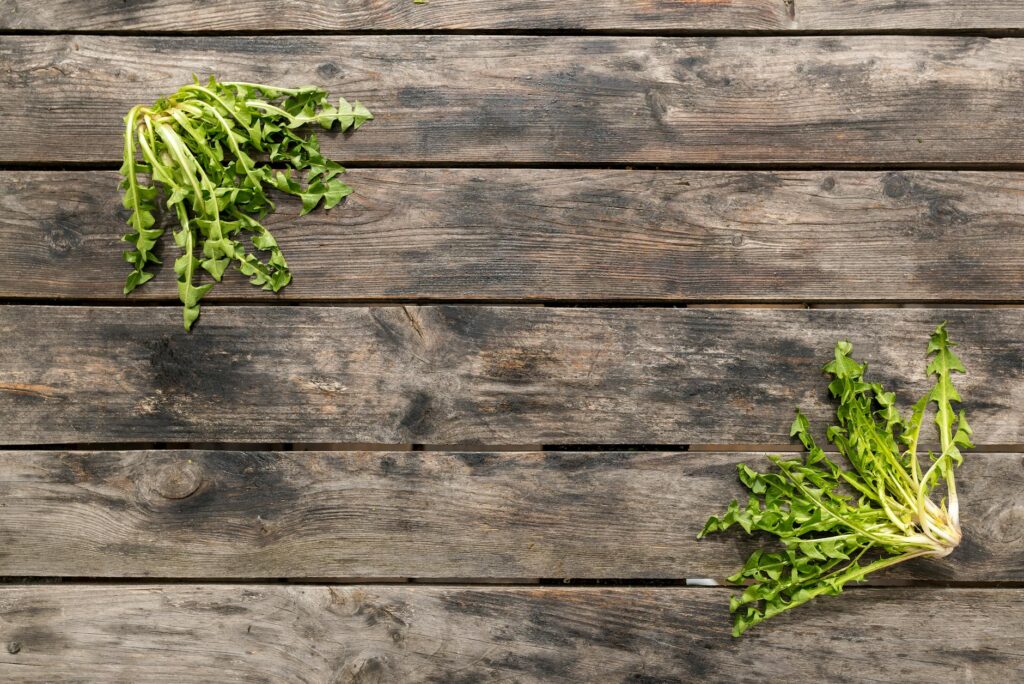
How to Use Dandelion Greens Properly
Introduction
Dandelion greens, often dismissed as mere weeds, are a nutrient-rich leafy green that has garnered attention in culinary circles for their unique flavor and health benefits. These vibrant greens offer a slightly bitter, earthy taste that can enhance a variety of dishes. As chefs and home cooks increasingly seek out unconventional ingredients, understanding how to properly use dandelion greens becomes essential for creating diverse and flavorful meals. This article aims to provide comprehensive guidance on the uses of dandelion greens, from their history to practical applications in the kitchen.
What Is Uses?
The term “uses” in the context of food ingredients refers to the various ways that an ingredient can be utilized in culinary practices. This encompasses not just the ways an ingredient can be prepared and served, but also how it can influence flavor, texture, and nutritional value in a dish. For dandelion greens, this includes their incorporation into salads, sautés, soups, and more, as well as understanding their role in different culinary traditions.
History and Origins
Dandelions (Taraxacum officinale) are native to Europe and Asia and have been utilized for centuries for their culinary and medicinal properties. Historical records trace their use back to ancient Rome, where they were valued for their health benefits and used in various dishes. By the Middle Ages, dandelion greens had made their way into European cuisine, often consumed in spring as a tonic after the long winter months. They are also prevalent in Asian culinary traditions, particularly in Korean and Chinese dishes, where they are celebrated for their nutritional value.
Today, dandelion greens are cultivated worldwide and are often foraged in the wild, particularly in temperate regions. Their adaptability and resilience make them a staple in many gardens, often found growing alongside other herbs and vegetables.
Production and Processing
Dandelion greens can be found in both wild and cultivated forms. Wild dandelion greens tend to be more bitter and robust in flavor, while cultivated varieties are often bred for milder taste and tenderness. Farmers generally harvest these greens in the spring, when the leaves are young and tender, making them ideal for consumption.
Processing dandelion greens is relatively straightforward. After harvesting, they should be rinsed thoroughly to remove any dirt or insects. Depending on the intended use, the greens can be consumed raw, blanched, or cooked. Proper handling is crucial to preserving their nutritional value and flavor.
Quality and Grading
When selecting dandelion greens, quality and freshness are essential factors to consider. High-quality dandelion greens should be vibrant in color, typically a rich green hue, and free from blemishes or yellowing leaves. The leaves should be crisp and firm, indicating freshness.
Grading for dandelion greens is less formal than for other vegetables, but consumers can often rely on visual cues. Organic certification may also be an indicator of quality, as these greens are generally grown without synthetic pesticides or fertilizers, which can enhance both flavor and nutritional content.
Buying Considerations
When purchasing dandelion greens, there are several factors to consider to ensure you select the best quality:
1. Source: Opt for organic or locally sourced dandelion greens when possible. This not only supports local farmers but also ensures a fresher product.
2. Seasonality: Dandelion greens are best in the spring when they are young and tender. Buying them in season will yield better flavor and texture.
3. Appearance: Look for greens that are bright in color, without any signs of wilting or decay. Freshness is key to enjoying the best taste.
4. Preparation: Consider how you plan to use the greens. If you intend to use them in salads, select younger, smaller leaves. For cooking, slightly larger, more mature leaves can be appropriate.
Uses and Applications
Dandelion greens are versatile and can be utilized in various culinary applications. Here are some common uses:
Salads
Dandelion greens can be a star ingredient in salads. Their slightly bitter flavor complements sweeter ingredients like fruits or dressings with a touch of honey or balsamic vinegar. Pairing dandelion greens with nuts or seeds adds crunch and richness.
Cooked Dishes
Cooking dandelion greens can mellow their bitterness. Sautéing, steaming, or braising can help soften the leaves while infusing them with flavors from other ingredients. They can be added to stir-fries, soups, or pasta dishes, where their robust flavor can stand up to stronger seasonings.
Garnishes
Dandelion greens can also serve as a garnish, adding a pop of color and a hint of bitterness to various dishes. They can be finely chopped and sprinkled over roasted vegetables or meats, providing a unique visual and flavor contrast.
Herbal Infusions
The leaves of the dandelion plant can be steeped to create herbal teas, offering a unique flavor profile that can be enjoyed hot or cold. This method of use highlights the greens’ natural properties while providing a refreshing beverage option.
Smoothies
For those looking to incorporate more greens into their diets, dandelion greens can be added to smoothies. Their slightly bitter taste pairs well with sweeter fruits, creating a balanced drink that is both nutritious and satisfying.
Storage and Shelf Life
To maintain the freshness of dandelion greens, proper storage is essential. They should be kept in the refrigerator, ideally in a perforated plastic bag to allow for airflow. When stored correctly, dandelion greens can last up to one week. It is advisable to consume them as soon as possible for optimal flavor and nutritional benefits.
If you find yourself with an abundance of dandelion greens, consider blanching and freezing them for later use. This method preserves their color and flavor, allowing you to enjoy them beyond the growing season.
Common Misconceptions
Despite