
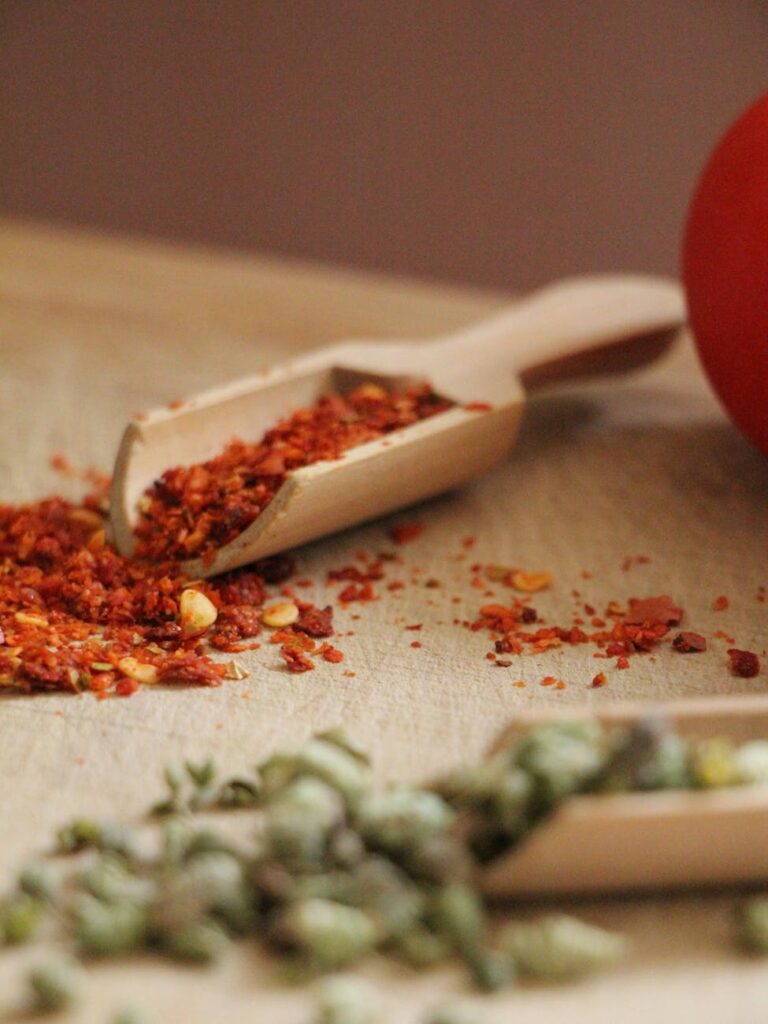
How to Use Dulse Properly
Introduction
Dulse, scientifically known as Palmaria palmata, is a red seaweed that has gained prominence in culinary circles for its rich umami flavor and nutritional benefits. Traditionally harvested along the coasts of the North Atlantic, particularly in regions like Ireland, Canada, and Scandinavia, dulse is a versatile ingredient that can enhance a variety of dishes. This article aims to provide a comprehensive overview of dulse, exploring its history, production methods, culinary applications, and much more, ensuring that readers can utilize this remarkable ingredient effectively.
What Is Dulse?
Dulse is a type of red algae that thrives in the intertidal zones of rocky shorelines. It can be recognized by its broad, leathery fronds, which can vary in color from deep red to purple, and even greenish hues. Often found clinging to rocks, dulse has been a staple in various coastal cultures due to its unique flavor profile and nutritional density. Rich in vitamins, minerals, and protein, dulse is not only a food ingredient but also a significant part of traditional diets in regions where it is harvested.
History and Origins
The use of dulse dates back centuries, with evidence suggesting that it was consumed by the early inhabitants of Ireland and other coastal communities in Europe. Historical records indicate that the Irish referred to dulse as “dillisk,” and it was often eaten raw or dried. In addition to its culinary uses, dulse has been valued for its medicinal properties and was traditionally used to treat various ailments.
The popularity of dulse has risen and fallen over the centuries, but its resurgence in modern cuisine can be attributed to the growing interest in sea vegetables and sustainable food sources. Today, dulse is recognized globally, appearing in various culinary applications and health foods.
Production and Processing
Dulse is typically harvested by hand, although mechanized methods are also used in commercial operations. The best quality dulse is often gathered during low tide when the seaweed is exposed. After harvesting, dulse is washed to remove any sand and debris, then either air-dried or dehydrated to preserve its nutritional content and enhance its shelf life.
Once processed, dulse can be found in various forms, including whole fronds, flakes, and powders. The method of processing can affect the flavor and texture of the final product. For instance, air-dried dulse retains a more robust flavor compared to finely ground powder, which is often used as a seasoning or supplement.
Quality and Grading
Quality is a critical factor when selecting dulse, and several grading standards exist to assess its freshness, color, and overall quality. High-quality dulse should have a vibrant color, a pleasant aroma, and a slightly briny taste. It should be free from any off-putting odors or discoloration, which can indicate spoilage.
When purchasing dulse, it is essential to consider the source. Sustainably harvested dulse from clean waters tends to have higher nutritional value and better flavor. Look for certifications or labels that indicate the product’s origin and production methods, ensuring that you are choosing a premium quality ingredient.
Buying Considerations
When shopping for dulse, there are several factors to consider to ensure you select a high-quality product:
1. Form: Dulse is available in various forms, including whole fronds, flakes, and powders. Choose the form that best suits your intended use.
2. Source: Look for dulse harvested from clean, unpolluted waters. Sustainable harvesting practices are also essential for preserving the marine ecosystem.
3. Packaging: Opt for products that are packaged in airtight containers to maintain freshness. Transparent packaging can help you assess the color and quality before purchase.
4. Certifications: Seek out certifications that indicate organic or sustainable farming practices, which can often reflect quality.
5. Expiration Date: Check the expiration date to ensure that you are buying a fresh product.
Uses and Applications
Dulse offers a myriad of culinary uses, making it a versatile ingredient in both traditional and modern cuisines. Here are some common applications:
Culinary Uses
- Seasoning: Dulse flakes can be used as a seasoning for soups, stews, and sauces, adding a depth of flavor without overpowering the dish.
- Garnish: Whole fronds of dulse can be used as a garnish on seafood dishes or salads, providing a striking visual appeal along with a salty burst of flavor.
- Snacking: Dried dulse can be enjoyed as a healthy snack on its own or blended with nuts and seeds for a nutritious trail mix.
- Baking: Incorporating dulse powder into bread or cracker recipes can impart a unique flavor while enhancing the nutritional profile of baked goods.
- Smoothies: For those looking to boost their intake of minerals, dulse powder can be added to smoothies, providing a subtle saltiness and a nutrient boost.
- Animal Feed: Dulse is increasingly being used as a natural supplement in animal feed, particularly for livestock, due to its high protein and mineral content.
- Cosmetics: Some beauty products incorporate dulse extract for its moisturizing properties and nutrient density.
- Fertilizers: The nutrient-rich profile of dulse makes it a valuable addition to organic fertilizers, promoting healthy plant growth.
Non-Culinary Uses
Beyond the kitchen, dulse has applications in various industries:
Storage and Shelf Life
Proper storage of dulse is crucial for maintaining its quality and flavor. Dulse should be kept in a cool, dry place, ideally in an airtight container to protect it from moisture and light. When stored correctly, dried dulse can last for up to two years, although its flavor may diminish over time.
If you’ve purchased fresh dulse, it is best consumed shortly after harvesting. Fresh