
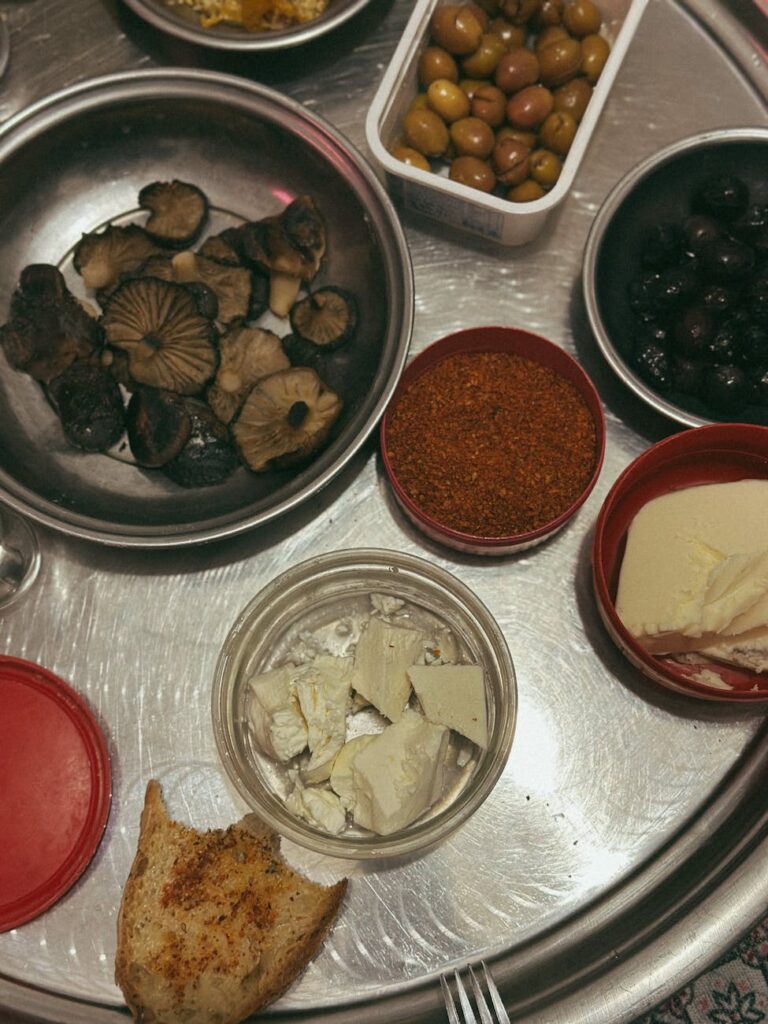
How to Use Feta Cheese Properly
Introduction
Feta cheese, with its crumbly texture and tangy flavor, has earned its rightful place as a staple in various global cuisines. Originating from the Mediterranean, this distinctive cheese is not only celebrated for its taste but also for its versatility. In this article, we will explore the multifaceted uses of feta cheese, shedding light on its history, production, quality grading, and storage, as well as addressing common misconceptions and frequently asked questions.
What Is Feta Cheese?
Feta cheese is a brined curd cheese traditionally made from sheep’s milk or a mixture of sheep’s and goat’s milk. Its name derives from the Italian word “fetta,” meaning “slice,” a nod to the cheese’s characteristic block form. Feta is known for its crumbly texture, which makes it an excellent choice for crumbling over salads or incorporating into various dishes. The cheese’s flavor can range from mild to tangy, depending on its aging process and the milk used in its production.
History and Origins
The origins of feta cheese date back thousands of years, with evidence suggesting its existence as far back as ancient Greece. Historical texts, including those by Homer and Pliny the Elder, mention similar cheeses, indicating that feta has long been a beloved staple in Mediterranean diets. The cheese is deeply entrenched in Greek culture, often served at feasts and used in traditional dishes like spanakopita and Greek salad.
Feta’s recognition as a distinct product received a significant boost in 2002 when the European Union granted it Protected Designation of Origin (PDO) status. This designation ensures that only cheese produced in specific regions of Greece, using traditional methods, can be labeled as “feta.” Today, feta cheese is produced and enjoyed worldwide, with variations emerging in different countries.
Production and Processing
The production of feta cheese involves several meticulous steps, each contributing to its unique flavor profile and texture. The process begins with the curdling of milk using a combination of rennet and bacterial cultures. The milk is typically heated before rennet is added, allowing for the formation of curds.
Once the curds have formed, they are cut into small pieces, allowing whey to escape. The curds are then placed in molds, pressed lightly, and allowed to drain. After draining, the cheese is salted and placed in a brine solution, which not only enhances flavor but also acts as a preservative. Feta is typically aged for a minimum of two months, during which time it develops its characteristic taste and texture.
Quality and Grading
When it comes to feta cheese, quality is paramount. The grading of feta is generally determined by several factors, including flavor, texture, and moisture content. High-quality feta should have a clean, tangy flavor, with a creamy yet crumbly texture.
The grading system often categorizes feta into different classifications based on its milk source—sheep’s milk feta typically commands a higher grade compared to cow’s milk varieties, owing to its rich taste and traditional production methods.
When purchasing feta, look for cheese that is sold in brine to ensure freshness. Whole blocks of feta usually have a longer shelf life than crumbled varieties, which can dry out more quickly.
Buying Considerations
When selecting feta cheese, there are several considerations to keep in mind to ensure you choose the best product for your culinary needs:
1. Milk Source: Authentic Greek feta is made from sheep’s milk or a mixture of sheep’s and goat’s milk. Be wary of feta made primarily from cow’s milk, as it may lack the distinctive flavor and texture associated with traditional feta.
2. Brine vs. Dry: Feta can be found either in brine or as a dry product. Opt for feta stored in brine for better preservation and flavor.
3. Texture and Freshness: Check for a creamy yet crumbly texture, and be mindful of any off-odors or excessive dryness, which may indicate age or poor quality.
4. Labeling: Look for PDO labeling to ensure authenticity. This guarantees that the feta originates from Greece and is made with traditional methods.
5. Organic vs. Conventional: If you prefer organic products, consider seeking out organic feta, which is made from milk sourced from animals that have not been treated with antibiotics or growth hormones.
Uses and Applications
Feta cheese is celebrated for its versatility, making it suitable for a wide array of culinary applications. Here are some of the most common uses:
1. Salads
Feta cheese is a popular addition to salads, where it adds a creamy texture and tangy flavor that complements leafy greens and other vegetables. It is commonly used in Greek salads, mixed with tomatoes, cucumbers, olives, and a drizzle of olive oil.
2. Baking
Feta can be incorporated into baked dishes, such as pastries and quiches. Its ability to melt slightly while maintaining structure makes it an excellent choice for savory tarts and stuffed bread.
3. Dips and Spreads
Crumbled feta can be blended into dips or spreads, often mixed with yogurt, herbs, and spices to create flavorful appetizers. Its distinct flavor profile pairs well with roasted red peppers or olives for a Mediterranean-inspired spread.
4. Pasta and Grain Dishes
Feta can enhance pasta and grain dishes, adding depth and creaminess. It pairs beautifully with roasted vegetables, grains like quinoa or farro, and can be used as a topping for baked pasta dishes.
5. Meat and Fish Pairings
Feta works well as a topping or stuffing for meats, particularly chicken and lamb, and can also be paired with fish for a unique flavor combination.
6. Brunch Dishes
Incorporating feta into brunch dishes like omelets or frittatas can elevate the meal, providing a savory contrast to other ingredients.
7. Garnishing
Feta cheese can be crumbled over a variety of dishes as a finishing touch, providing both visual appeal and texture.
Storage and Shelf Life
Proper storage of feta cheese is essential to maintain its freshness and quality. Here are some guidelines for storing feta:
- In Brine: Feta stored in its brine should be kept in the refrigerator. Ensure it is fully submerged to prevent drying out. When stored this way, feta can last for several weeks, sometimes even months.
- Out of Brine: If you prefer to store feta out of brine, wrap it tightly in plastic wrap or place it in an airtight container. It is best consumed within a week or two.
- Freezing: While freezing feta is not typically recommended due to potential changes in texture, it can be done if necessary. Wrap it tightly and use within three months. Thaw in the refrigerator before use.
Common Misconceptions
Despite its popularity, several misconceptions about feta cheese persist:
1. Feta Is Only Greek: While authentic feta must come from Greece to be labeled as such, many countries produce similar cheeses that may be labeled as “feta-style.”
2. Feta Is Always White: While traditional feta is white, other varieties may have different hues due to the aging process or added ingredients.
3. Feta Is Unhealthy: Feta, like many cheeses, can be part of a balanced diet when consumed in moderation. Its rich flavor allows for small amounts to provide significant taste.
4. All Feta Tastes the Same: The flavor of feta can vary widely based on the milk source, production methods, and aging, leading to diverse taste experiences.
5. Feta Is Only for Salads: While commonly used in salads, feta’s versatility allows it to shine in numerous culinary applications, as discussed.
Frequently Asked Questions
1. What is the best way to crumble feta cheese?
To crumble feta cheese, use your fingers or a fork to break it apart gently. This helps maintain the cheese’s texture and prevents it from becoming too mushy.
2. Can feta cheese be eaten raw?
Yes, feta cheese is safe to eat raw and is often enjoyed in salads or as part of a cheese platter.
3. How can I tell if feta cheese has gone bad?
Signs that feta cheese has gone bad include an off smell, discoloration, or an excessively dry texture. If it has been stored in brine, check for unusual changes in the brine itself.
4. Can I substitute feta cheese for other cheeses?
Feta can sometimes be substituted for other crumbly cheeses, such as goat cheese or cotija, though flavor profiles may differ. Adjust seasoning accordingly to achieve the desired taste.
5. Is there a lactose-free feta cheese available?
Yes, some brands produce lactose-free feta cheese, typically made from alternative milk sources. Always check labeling to confirm.
6. How can I enhance the flavor of feta cheese in my dishes?
To enhance feta’s flavor, consider marinating it in olive oil with herbs and spices, or pairing it with sweet elements like honey or roasted fruits to create a balanced dish.
Conclusion
Feta cheese is a dynamic ingredient that transcends borders and culinary traditions. Understanding its history, production, and proper usage can elevate your culinary creations, allowing you to appreciate this beloved cheese fully. Whether adding a sprinkle to a salad, incorporating it into baked goods, or enjoying it on its own, feta cheese offers a unique flavor that can enhance numerous dishes. With the right knowledge, you can confidently use feta to enrich your culinary repertoire.