
How to Use Fiddlehead Ferns Properly
Introduction
Fiddlehead ferns, the young, coiled fronds of certain fern species, have captivated culinary enthusiasts and foragers alike with their unique texture and earthy flavor. As one of the few wild greens that can be harvested in spring, these edible ferns offer a delightful culinary experience when used properly. This article delves into the various aspects of fiddlehead ferns, including their history, production, quality grading, and diverse applications in culinary practices.
What Is Uses?
In the context of fiddlehead ferns, “uses” encompasses the various ways these fronds can be incorporated into cooking, their nutritional benefits, and their cultural significance. Fiddlehead ferns are not merely a seasonal delicacy; they also serve as a bridge to understanding the broader aspects of foraging and sustainable cooking. Their unique flavor profile and texture provide opportunities for chefs and home cooks to experiment and innovate in the kitchen.
History and Origins
Fiddlehead ferns have a rich history that dates back centuries. Indigenous peoples across North America have long recognized the culinary value of these ferns, incorporating them into their diets during the early spring months when fresh vegetables are scarce. The term “fiddlehead” is believed to derive from the shape of the coiled frond, reminiscent of the scroll at the end of a fiddle.
In Europe, particularly in France, fiddlehead ferns have also been appreciated for their culinary qualities. The resurgence of interest in wild foods and foraging has further popularized fiddlehead ferns in contemporary cuisine. Today, they are celebrated in various culinary traditions, showcasing their versatility and appeal.
Production and Processing
Fiddlehead ferns are typically harvested in the spring, generally from late April to early June, depending on the climate and specific species. The most common varieties include the ostrich fern (Matteuccia struthiopteris) and the lady fern (Athyrium filix-femina). Sustainable harvesting practices are crucial to ensure the long-term viability of these plants. Foragers should only harvest a small portion of the fern population, allowing the plants to regenerate and thrive.
After harvesting, fiddlehead ferns require careful processing to remove any dirt or debris. It is essential to rinse them thoroughly in cold water. Their delicate, curly form can make them susceptible to damage, so handling them gently is crucial. Following cleaning, it is advisable to blanch fiddleheads briefly in boiling water to eliminate any potential toxins, as some species contain small amounts of harmful substances that can be neutralized through cooking.
Quality and Grading
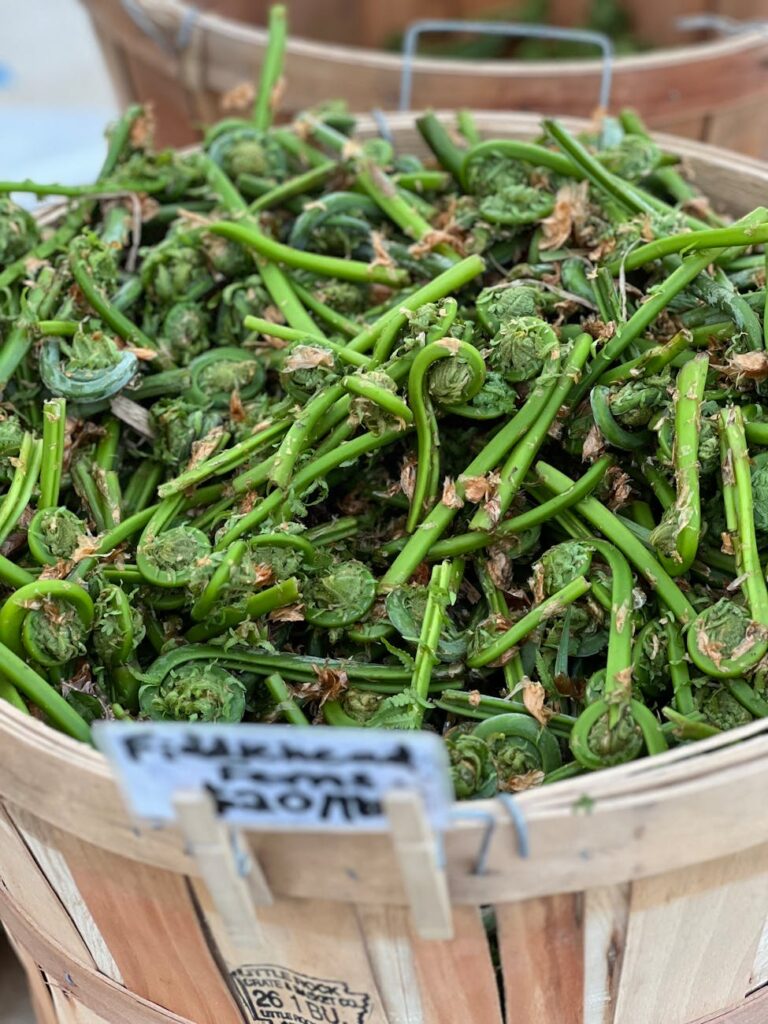
When selecting fiddlehead ferns, quality is paramount. Fresh fiddleheads should be tightly coiled and vibrant green, indicating that they are young and tender. Avoid any fronds that appear wilted, brown, or have an unpleasant odor. Grading quality often relies on size, color, and the overall freshness of the ferns.
Typically, higher-grade fiddleheads will be more tender and flavorful, making them preferable for culinary applications. Some markets may categorize fiddleheads into grades based on these attributes, allowing consumers to choose the best quality for their intended use.
Buying Considerations
When purchasing fiddlehead ferns, there are several factors to consider:
1. Source: Opt for fiddleheads harvested from reputable suppliers or markets that prioritize sustainable practices. Wild foraged fiddleheads are also available from local foragers but should be sourced with care.
2. Species: Ensure you are purchasing the correct species, primarily ostrich ferns, which are the most commonly consumed. Some ferns can be toxic if ingested.
3. Seasonality: Fiddlehead ferns are typically available only in spring. Knowing the peak season can help you find the freshest options.
4. Appearance: Look for tightly coiled, bright green fiddleheads. Avoid any that appear discolored or have signs of decay.
5. Packaging: If buying pre-packaged fiddleheads, check for any signs of moisture or damage to the packaging, as this can affect freshness.
Uses and Applications
Fiddlehead ferns are versatile and can be utilized in various culinary applications. Their distinct flavor, which is often described as a mix between asparagus and spinach, allows them to complement numerous dishes. Here are some popular uses:
Sautéing
Sautéing fiddleheads with garlic and olive oil is a simple yet effective way to highlight their natural flavor. This preparation method retains their texture while enhancing their earthy notes.
Salads
Blanched fiddleheads can be tossed into salads for added crunch and visual appeal. Their unique shape and color make them an attractive addition, while their flavor pairs well with vinaigrettes.
Soups and Stews
Adding fiddleheads to soups and stews can elevate the dish’s nutritional profile. Their tender texture works well in broths or creamy soups, imparting a subtle earthiness.
Stir-Fries
Incorporating fiddleheads into stir-fries can provide an interesting twist on traditional vegetable medleys. Their ability to absorb flavors makes them an excellent companion for a variety of sauces and spices.
Pickling
Fiddleheads can also be pickled, offering a unique condiment or garnish for various dishes. The pickling process enhances their flavor and extends their shelf life.
Garnishing
Fiddleheads can serve as an elegant garnish for plated dishes, adding visual interest and a touch of sophistication. Their distinctive shape makes them a favorite among chefs looking to enhance presentation.
Storage and Shelf Life
Fiddlehead ferns are best consumed shortly after harvesting or purchasing. However, if you need to store them, place them in a perforated plastic bag in the refrigerator, where they can last for about a week. Do not wash them until you are ready to use them, as excess moisture can lead to spoilage.
For longer-term storage, fiddleheads can be blanched and then frozen. This method preserves their flavor and texture, allowing you to enjoy this seasonal treat year-round. Once blanched, spread them out on a baking sheet to freeze individually before transferring them to airtight containers or freezer bags.
Common Misconceptions
Despite their popularity, several misconceptions surround fiddlehead ferns:
1. All Ferns Are Edible: Not all fern species are safe for consumption. It is essential to identify and consume only edible varieties, primarily ostrich and lady ferns.
2. Fiddleheads Are Always Safe Raw: Some fiddlehead ferns contain small amounts of toxins that can be harmful if consumed raw. Proper cooking methods, such as blanching, are necessary to neutralize these toxins.
3. Fiddleheads Have a Long Shelf Life: While they can be stored for a short period, fiddlehead ferns are perishable and should ideally be consumed fresh.
4. Fiddleheads Are Only a Spring Ingredient: While they are primarily harvested in spring, properly frozen fiddleheads can be used in various dishes throughout the year.
Frequently Asked Questions
1. Are fiddlehead ferns safe to eat?
Yes, fiddlehead ferns are safe to eat when properly identified, harvested, and cooked. It’s important to only consume edible species and to cook them to eliminate any toxins.
2. How do you prepare fiddlehead ferns before cooking?
Before cooking, rinse fiddlehead ferns thoroughly under cold water, then blanch them in boiling water for a couple of minutes to eliminate any potential toxins.
3. What do fiddlehead ferns taste like?
Fiddlehead ferns have a unique flavor, often described as a mix between asparagus and spinach, with a slightly grassy, earthy note.
4. Can you eat fiddlehead ferns raw?
It is not recommended to eat fiddlehead ferns raw due to the presence of small amounts of toxins that can be neutralized through cooking.
5. How can you tell if fiddlehead ferns are fresh?
Fresh fiddlehead ferns should be tightly coiled, bright green, and free of browning or wilting. They should also have a clean, earthy smell.
6. Where can I buy fiddlehead ferns?
Fiddlehead ferns are usually available at farmers’ markets, specialty grocery stores, and health food stores during their peak season in spring. You may also find them from local foragers.
In conclusion, fiddlehead ferns offer a delightful opportunity for culinary exploration. By understanding their origins, proper usage, and storage, you can incorporate these unique greens into your cooking repertoire with confidence and creativity. As with any wild ingredient, respect for the environment and sustainable practices should always guide your foraging and consumption choices.