
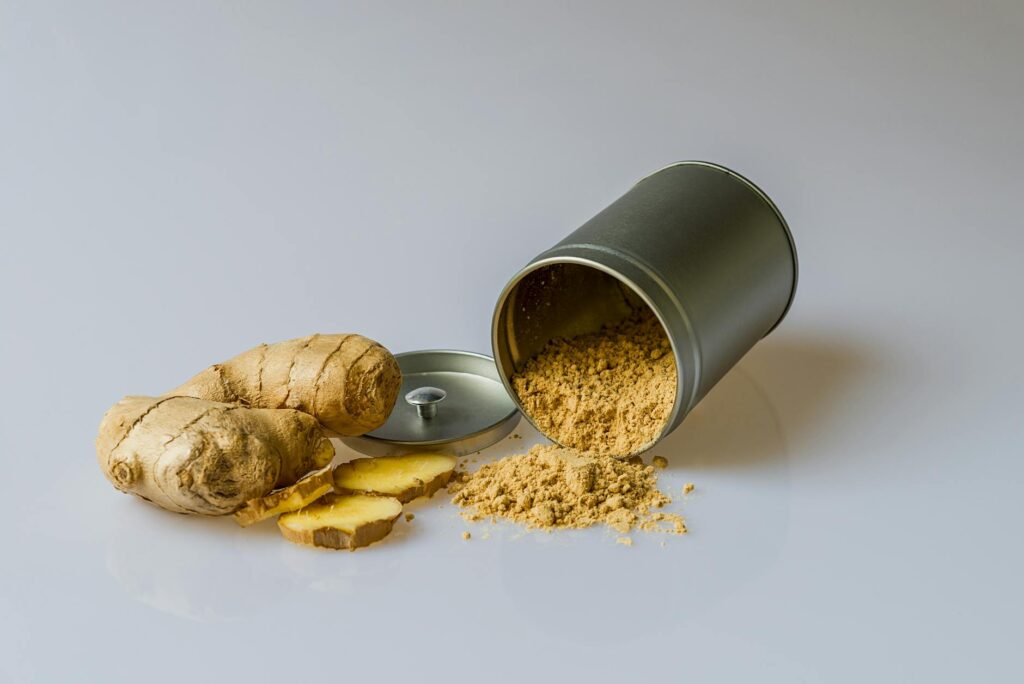
How to Use Ginger Properly
Introduction
Ginger, a time-honored spice celebrated for its unique flavor and myriad of uses, occupies a prominent place in culinary traditions worldwide. Its versatility extends beyond the kitchen, making it a staple in various applications, from beverages to health enhancers. This article delves into the numerous aspects of ginger, encompassing its history, production, applications, and storage, allowing readers to appreciate this remarkable ingredient fully.
What Is Uses?
In the culinary context, “uses” refers to the various ways an ingredient can be employed to enhance flavor, texture, and nutritional value in cooking. Ginger, with its pungent and aromatic qualities, offers a wide array of uses, from seasoning and flavoring to medicinal applications. Understanding the proper uses of ginger can significantly elevate culinary practices and enhance the overall dining experience.
History and Origins
Ginger (Zingiber officinale) is native to Southeast Asia and has a storied history that spans thousands of years. It was one of the first spices to be traded, making its way to Europe via ancient trade routes. Historical texts indicate that ginger was cultivated in India as early as 4000 years ago, and it was later introduced to the Roman Empire, where it gained popularity as both a spice and a medicine.
In traditional Chinese medicine, ginger has been utilized for its warming properties, believed to aid digestion and alleviate nausea. Over time, ginger spread across the globe, adapting to various culinary traditions, from Indian curries to Caribbean jerk seasoning, each culture employing ginger in ways that reflect local tastes and customs.
Production and Processing
The production of ginger typically begins with the planting of rhizomes, which are the underground stems that store nutrients. These rhizomes thrive in warm, humid climates, requiring well-drained soil to flourish. Major producers of ginger include India, China, Indonesia, and the Philippines.
Once harvested, ginger undergoes a series of processing steps to prepare it for market. Fresh ginger is often washed, trimmed, and packaged for sale. For dried ginger, the rhizomes are peeled, sliced, and dehydrated. This process concentrates the flavor and extends the shelf life of the spice. Ground ginger, another popular form, is produced by grinding dried ginger into a fine powder, making it convenient for various applications.
Quality and Grading
The quality of ginger can greatly influence its flavor profile and culinary applications. Fresh ginger should be firm with smooth, unblemished skin. It should also have a strong, spicy aroma, indicating its freshness. As ginger degrades, it loses its pungency and flavor.
Grading systems may vary by region, but high-quality ginger is typically categorized based on size, appearance, and moisture content. Organically grown ginger may also be available, appealing to consumers seeking natural ingredients free of synthetic pesticides and fertilizers.
Buying Considerations
When purchasing ginger, several factors should be taken into account to ensure optimal quality:
1. Freshness: Look for ginger that feels heavy for its size and has a smooth, firm texture. Avoid ginger that appears wrinkled or has soft spots.
2. Type: Consider the form of ginger you need. Fresh ginger is ideal for recipes requiring its robust flavor, while dried or ground ginger may be more suitable for baking or seasoning.
3. Origin: Check the source of the ginger. Certain regions are known for superior quality, such as Indian ginger, which is often more aromatic and flavorful than varieties from other locations.
4. Organic vs. Conventional: Choose organic ginger if you prefer products grown without synthetic fertilizers or pesticides.
5. Storage Conditions: If buying pre-packaged ginger, ensure it has been stored under appropriate conditions, as exposure to light and heat can diminish its quality.
Uses and Applications
Ginger’s versatility makes it suitable for a variety of culinary applications:
Culinary Uses
1. Flavoring Agent: Fresh ginger is commonly used in marinades, soups, stir-fries, and sauces. Its zestiness can enhance dishes, adding depth and a warm, spicy note.
2. Beverages: Ginger is a key ingredient in many beverages, including ginger tea, ginger ale, and cocktails. Its invigorating flavor pairs well with citrus and other fruits.
3. Baking: Ground ginger is frequently used in baking, particularly in cookies, cakes, and breads. It contributes a warm, aromatic flavor that complements sweet ingredients.
4. Pickling: Ginger can be pickled to create a tangy condiment that pairs well with sushi and other dishes. The pickling process enhances its flavor and preserves its freshness.
5. Infusions: Ginger can be infused into oils and vinegars, imparting its distinct flavor to dressings and marinades.
Medicinal and Health Uses
While this article does not provide medical advice, it is worth noting that ginger is often praised for its potential digestive benefits and anti-inflammatory properties. Its uses in herbal teas and wellness tonics reflect its cultural significance as a health-enhancing ingredient.
Beauty and Personal Care
Beyond the kitchen, ginger is also used in various beauty products, including shampoos and skincare formulations. Its antibacterial properties and invigorating scent make it a sought-after ingredient in personal care.
Storage and Shelf Life
Proper storage is crucial for maintaining the quality and flavor of ginger:
- Fresh Ginger: Store fresh ginger in a cool, dry place, ideally in a paper bag in the refrigerator. It can last for several weeks when stored properly. For longer storage, consider freezing fresh ginger, which can extend its shelf life by several months.
- Dried Ginger: Keep dried ginger in an airtight container in a cool, dark place. It can last for up to two years if stored correctly.
- Ground Ginger: Ground ginger also requires proper storage in a cool, dark environment. While it may lose potency over time, it can remain usable for about three years.
Common Misconceptions
Despite its popularity, several misconceptions surround ginger:
1. All Ginger Is the Same: There are various types of ginger, including young ginger, mature ginger, and dried ginger. Each type has distinct flavor profiles and culinary uses.
2. Ginger Is Only for Asian Cuisine: While ginger is a staple in Asian cuisine, its uses extend to many culinary traditions worldwide, from Caribbean dishes to Western baked goods.
3. The Only Form of Ginger is Fresh: Ginger is available in various forms, including dried, pickled, and powdered, each serving different culinary purposes.
4. Ginger Must Always Be Cooked: Fresh ginger can be used raw in salads and dressings, offering a sharp flavor that can enhance many dishes.
Frequently Asked Questions
1. How do I choose the best ginger at the store?
Look for firm, smooth rhizomes with a strong aroma. Avoid ginger that is dry, wrinkled, or has soft spots.
2. Can I use dried ginger in place of fresh ginger?
Yes, dried ginger can be used as a substitute for fresh ginger, but be aware that the flavor will be more concentrated. A general rule of thumb is to use about one-quarter of the amount of dried ginger as you would fresh.
3. What’s the difference between young and mature ginger?
Young ginger is harvested earlier, has a milder flavor, and is often more tender. Mature ginger has a stronger flavor, is firmer, and is commonly used in cooking.
4. How should I store fresh ginger to keep it from spoiling?
Wrap fresh ginger in a paper towel and place it in an airtight container in the refrigerator. Alternatively, you can freeze it for longer storage.
5. Can I use ginger in desserts?
Absolutely! Ground ginger is commonly used in baking, while fresh ginger can add a unique flavor to many desserts and sweet dishes.
6. Is there a difference in flavor between organic and conventional ginger?
Many chefs and culinary enthusiasts believe that organic ginger tends to have a more robust flavor, though this can vary based on the specific variety and growing conditions.
In conclusion, ginger is a multifaceted ingredient that has stood the test of time in culinary practices across the globe. By understanding its history, production, quality, and diverse applications, one can appreciate the role of ginger not only as a spice but also as a cultural symbol of flavor and tradition.