
How to Use Kefir Grains Properly
Introduction
Kefir grains have gained recognition as a powerful probiotic ingredient in the culinary world. These gelatinous, white structures are not grains in the traditional sense but rather a symbiotic culture of bacteria and yeast (SCOBY) that ferment milk and other liquids. This article will delve into the proper use of kefir grains, exploring their history, production methods, quality considerations, and various applications in both culinary arts and health-oriented practices.
What Are Kefir Grains?
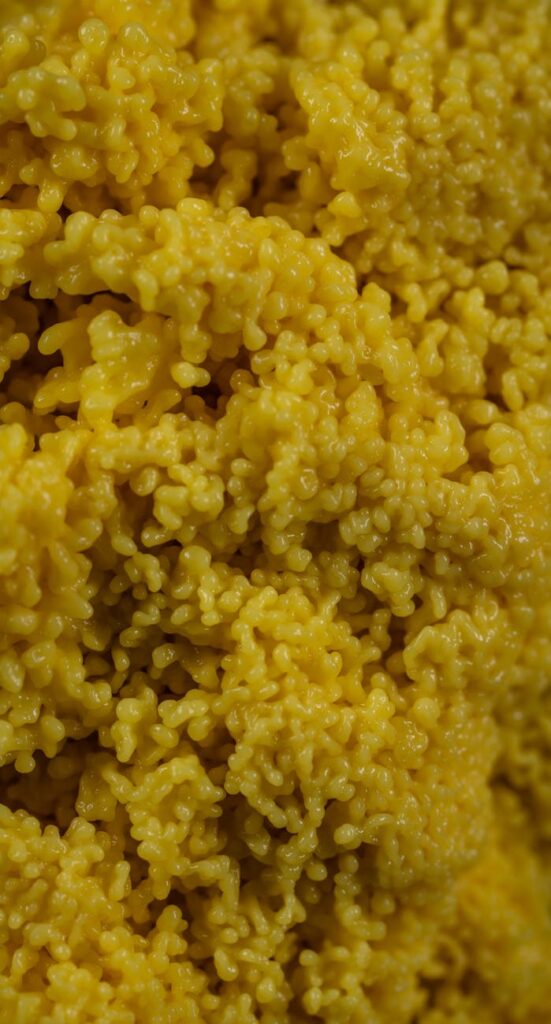
Kefir grains are small, gelatinous clumps that consist of a complex network of bacteria, yeast, and polysaccharides. They resemble small cauliflower florets and are instrumental in the fermentation process that creates kefir, a tangy, effervescent beverage rich in probiotics. The grains themselves are a living culture that multiplies as they ferment, enabling users to produce kefir repeatedly.
History and Origins
The origins of kefir grains can be traced back to the Caucasus Mountains, where it is believed that shepherds discovered the fermentation process centuries ago. Traditionally, kefir was made using cow’s, goat’s, or sheep’s milk and was often stored in leather bags hung from saddle horns. Over time, the unique properties of kefir grains attracted attention beyond their geographical roots, leading to their spread across Europe and eventually the world. The grains have been cherished not only for their nutritional benefits but also for their role in various culinary traditions.
Production and Processing
The production of kefir using kefir grains involves a straightforward fermentation process. The grains are added to milk, where they ferment the lactose into lactic acid, resulting in a thick, tangy beverage. Here’s a step-by-step overview of the process:
1. Preparation: Select high-quality milk—preferably organic and whole. The choice of milk will influence the final flavor and texture of the kefir.
2. Inoculation: Add kefir grains to the milk in a clean glass or plastic container. The recommended ratio is approximately 1 tablespoon of grains per cup of milk.
3. Fermentation: Cover the container with a breathable cloth to allow airflow while preventing contamination. Let it sit at room temperature for 12 to 48 hours, depending on the desired tartness and thickness.
4. Straining: Once the fermentation is complete, strain the kefir through a fine mesh sieve to separate the grains from the liquid. The grains can be reused immediately or stored for future batches.
5. Storage: The finished kefir can be consumed immediately or refrigerated for later use.
Quality and Grading
The quality of kefir grains can significantly influence the flavor, texture, and probiotic content of the final product. When assessing kefir grains, consider the following factors:
- Appearance: High-quality grains should be plump, gelatinous, and white or slightly yellowish. They should not be overly slimy or discolored.
- Odor: Fresh kefir grains should have a mild, pleasant aroma. An off-putting smell may indicate spoilage.
- Activity: Active grains will produce kefir consistently. If they fail to ferment properly, they may be inactive or in poor condition.
- Source: Purchasing grains from reputable suppliers can ensure better quality, as they are often cultivated under controlled conditions.
- Freshness: Look for grains that have been harvested recently. Fresh grains tend to be more active and effective.
- Type: Decide between milk kefir grains and water kefir grains, depending on whether you intend to ferment dairy or non-dairy beverages.
- Supplier Reputation: Seek out reliable sources, such as health food stores or online retailers with positive reviews. Authentic kefir grains should be cultivated and sold by knowledgeable vendors.
- Cost: Prices for kefir grains can vary widely. While cheaper options may be available, investing in high-quality grains can lead to better results in the long run.
- Kefir Production: The primary use of kefir grains is to ferment milk into kefir. This probiotic-rich beverage can serve as a standalone drink or a base for smoothies and salad dressings.
- Fermented Foods: Beyond milk, kefir grains can also be used to ferment other liquids, such as coconut water or fruit juices, creating refreshing and probiotic-rich beverages.
- Baking: Some bakers incorporate kefir into doughs and batters for bread, pancakes, and other baked goods, taking advantage of its leavening properties and unique flavor.
- Dairy Alternatives: For those avoiding dairy, kefir grains can be used with plant-based milks (like almond or soy) to create delicious non-dairy kefir alternatives.
- Culinary Exploration: Kefir grains can be experimented with in various culinary applications, such as marinades or as a tangy addition to sauces, enhancing flavors while providing health benefits.
- Short-term Storage: If you plan to take a break from kefir production, store the grains in a small amount of milk in the refrigerator. Change the milk every week to ensure freshness.
- Long-term Storage: For longer periods, kefir grains can be frozen. Place them in a small airtight container with a little milk, and store them in the freezer. When ready to use, thaw the grains in the refrigerator and feed them fresh milk to reactivate.
- Shelf Life: Active kefir grains can last indefinitely with
Buying Considerations
When looking to buy kefir grains, several factors should be taken into account:
Uses and Applications
Kefir grains are versatile and can be employed in various culinary and nutritional applications:
Storage and Shelf Life
Proper storage of kefir grains is crucial for maintaining their viability. Here are some guidelines: