
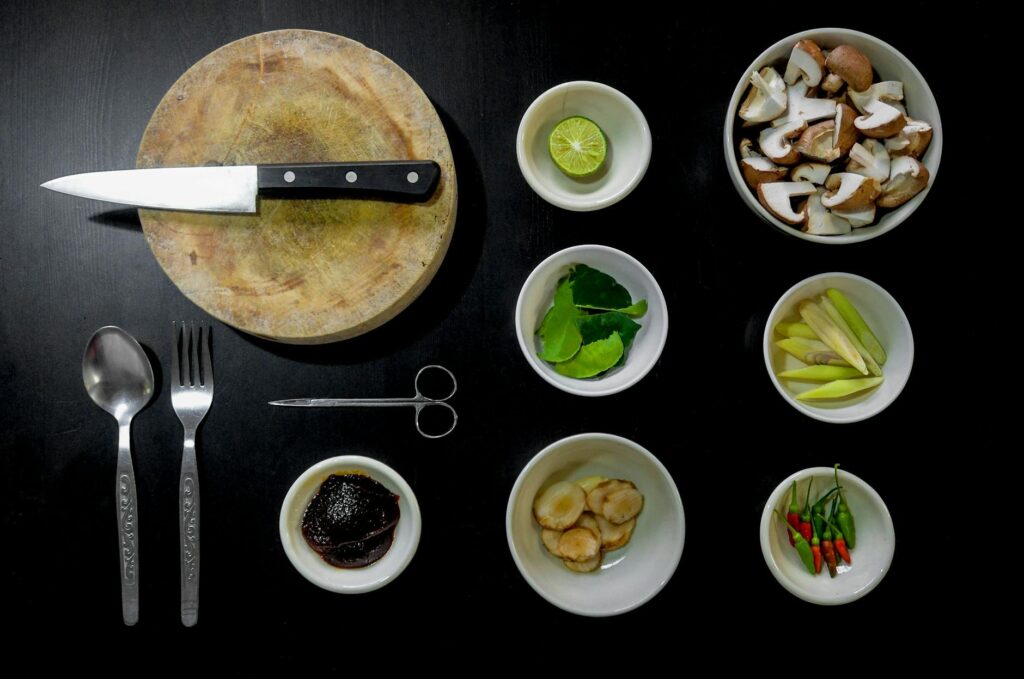
How to Use Kefir Lime Properly
Introduction
Kefir lime, also known as Citrus hystrix, is a notable ingredient in Southeast Asian cuisine, particularly in Thai and Indonesian dishes. Recognized for its unique flavor profile and aromatic properties, kefir lime offers both culinary and aromatic applications. This article delves into the uses of kefir lime, exploring its history, production, quality considerations, and various applications in cooking and beyond.
What Is Uses?
The term “uses” in the context of kefir lime refers to the various applications of this ingredient in culinary practices, as well as its potential in aroma and health-related fields. Understanding the multifaceted uses of kefir lime can enhance culinary experiences and provide insight into its cultural significance.
History and Origins
Kefir lime is indigenous to Southeast Asia, where it has been cultivated for centuries. Its leaves and fruit are integral to traditional dishes, serving as flavor enhancers in soups, curries, and marinades. The plant thrives in tropical climates, which contribute to its distinctive taste and fragrance.
Historically, kefir lime leaves were not only valued for their culinary applications but also for their purported medicinal properties. In traditional healing practices, the leaves and fruit were used to treat various ailments, showcasing the versatility of this ingredient beyond the kitchen.
Production and Processing
Kefir lime is produced from a small tree that can grow up to 1.5 meters in height. The fruit is typically green, with a bumpy texture, while the leaves are glossy and aromatic. The plant requires well-drained soil and plenty of sunlight to thrive, often found in home gardens and commercial plantations across Southeast Asia.
Harvesting occurs when the fruit reaches maturity, though the leaves can be picked year-round. The leaves are often used fresh, while the fruit can be used whole or juiced. Proper processing involves gently washing the leaves and fruit to preserve their essential oils and flavor compounds.
Quality and Grading
When selecting kefir lime, quality is paramount. Freshness is a key indicator of quality; the leaves should be vibrant green and fragrant, while the fruit should feel firm to the touch.
Grading typically considers factors such as size, color, and aroma. High-quality kefir lime leaves will exhibit a strong citrus scent, while the fruit should have a zesty flavor, indicative of its ripeness. Organic certifications may also play a role in grading, appealing to consumers who prioritize sustainable agricultural practices.
Buying Considerations
When purchasing kefir lime, consider the following:
1. Freshness: Look for leaves that are bright green and aromatic. The fruit should not show signs of overripeness or decay.
2. Source: Opt for organic or sustainably sourced products when possible. This not only supports eco-friendly practices but often results in better flavor and quality.
3. Form: Kefir lime is available in fresh, dried, or frozen forms. Fresh leaves are preferred for their intense flavor, but dried options can be convenient for long-term storage.
4. Local Availability: Depending on your location, kefir lime may be more readily available in Asian markets or specialty stores. Exploring local farmer’s markets may yield fresh options.
Uses and Applications
Kefir lime is celebrated for its versatility in a multitude of culinary applications:
Culinary Uses
1. Flavoring Agent: The leaves are often used in soups, curries, and stir-fries. Their aromatic compounds infuse dishes with a distinctive citrus flavor.
2. Marinades and Dressings: The fruit’s juice can be used in marinades for meats and seafood, imparting a bright acidity that enhances the overall flavor profile.
3. Beverages: The zest of kefir lime can be added to cocktails or infused in teas, providing a refreshing twist.
4. Desserts: While less common, the unique flavor of kefir lime can be incorporated into desserts, such as sorbets or custards, offering an exotic touch.
Aromatic Uses
Beyond culinary applications, kefir lime is also revered in the realm of aromatherapy and perfumery. The essential oils extracted from the leaves and fruit are used in:
1. Fragrances: These oils are incorporated into perfumes, providing a fresh and uplifting scent.
2. Home Scents: Kefir lime essential oil can be used in diffusers or candles, creating a rejuvenating atmosphere.
3. Cosmetic Products: The refreshing scent of kefir lime makes it a popular ingredient in skincare and beauty products, providing an invigorating experience.
Storage and Shelf Life
Proper storage is essential to maintain the quality of kefir lime:
- Fresh Leaves: Store in a sealed container in the refrigerator, where they can last for up to two weeks. Alternatively, wrapping them in damp paper towels can help retain moisture.
- Fresh Fruit: Keep in a cool, dry place or refrigerate for up to one week. If the fruit becomes soft or shows signs of decay, it should be discarded.
- Dried Leaves: Store in an airtight container in a cool, dark place, where they can last for several months.
- Frozen: For long-term storage, both leaves and fruit can be frozen. Ensure they are well-sealed to prevent freezer burn.
Common Misconceptions
1. Kefir Lime and Regular Limes Are the Same
While both are citrus fruits, kefir lime has a distinct flavor and aroma, making it unique. Regular limes lack the aromatic qualities of kefir lime leaves.
2. Kefir Lime Is Only for Thai Cuisine
Though popular in Thai cooking, kefir lime can be used across various cuisines to add depth and flavor, proving its versatility.
3. Dried Kefir Lime Leaves Have the Same Flavor as Fresh
Dried leaves lose some of their essential oils and potency, which may affect flavor. Fresh leaves are recommended for the best culinary experience.
Frequently Asked Questions
1. What is the best way to use kefir lime leaves?
Kefir lime leaves are best used fresh in dishes that require a strong citrus aroma, like curries and soups. They can be torn or finely sliced to release their essential oils.
2. Can I substitute regular lime for kefir lime in recipes?
While you can substitute regular lime in a pinch, the unique flavor of kefir lime cannot be perfectly replicated. The result may lack the aromatic complexity of the original dish.
3. How do I prepare kefir lime for cooking?
To prepare kefir lime leaves, wash them thoroughly and remove the central stem. They can be used whole, torn, or finely shredded, depending on the dish.
4. Are there any specific pairings for kefir lime?
Kefir lime pairs well with other Southeast Asian ingredients such as lemongrass, galangal, and coconut milk, enhancing the overall flavor profile of the dish.
5. How long does kefir lime last?
Fresh leaves can last up to two weeks in the refrigerator, while fresh fruit should be consumed within a week. Dried leaves can last for several months if stored properly.
6. Can I grow my own kefir lime tree?
Yes, kefir lime trees can be grown in pots or gardens in warm climates. They thrive with sufficient sunlight and well-drained soil, making them a rewarding addition to home gardens.
Conclusion
Kefir lime is a multifaceted ingredient that enriches culinary traditions and enhances aromatic experiences. Understanding its uses, origins, and proper storage can elevate your culinary repertoire and deepen your appreciation for this unique citrus fruit. Whether you are a professional chef or an enthusiastic home cook, incorporating kefir lime into your dishes can provide a delightful and refreshing twist that pays homage to its Southeast Asian roots.