
How to Use Lebanese Bread Properly
Introduction
Lebanese bread, often referred to as pita or khubz, is a cornerstone of Middle Eastern cuisine. This versatile flatbread is not only a staple in Lebanese households but has also found its way into the culinary practices of various cultures around the world. Understanding how to use Lebanese bread properly can elevate your meals and introduce a new level of enjoyment to your dining experience. This article delves into the multifaceted uses of Lebanese bread, exploring its history, production, quality considerations, storage, and much more.
What Is Uses?
The term “uses” refers to the various applications and methods through which an ingredient can be utilized in cooking and dining. In the context of Lebanese bread, its uses extend beyond mere consumption; it plays a vital role in enhancing flavors, serving as a vessel for other dishes, and even contributing to the cultural significance of meals. Understanding the different uses of Lebanese bread allows for a more informed and creative approach to meal preparation and presentation.
History and Origins
Lebanese bread has deep historical roots, tracing back thousands of years to the civilizations of the ancient Near East. It is believed that the method of baking flatbreads originated in the Fertile Crescent, where grains were cultivated abundantly. The term “pita” is derived from the Greek word for “flat bread,” but the Lebanese version is distinguished by its unique texture and flavor.
Traditionally, Lebanese bread was made in wood-fired ovens, which imparted a distinctive taste and aroma. Over time, various regions began to adopt their own styles, leading to the diverse range of flatbreads seen today. Lebanese bread has become synonymous with Middle Eastern culture, often appearing at gatherings and celebrations, symbolizing hospitality and community.
Production and Processing
The production of Lebanese bread involves a straightforward yet meticulous process. The primary ingredients—flour, water, yeast, and salt—are mixed to create a dough. The choice of flour can significantly influence the final product; while white flour is common, whole wheat variations are also popular for their nutty flavor and increased nutritional value.
Once the dough is prepared, it undergoes a fermentation process, allowing the yeast to develop and rise. After resting, the dough is divided into small portions and rolled out into thin circles. The characteristic puff of Lebanese bread occurs when the dough is baked at high temperatures, often in a traditional taboon oven or a standard home oven. The result is a light, airy bread with a pocket that can be filled with various ingredients.
Quality and Grading
When selecting Lebanese bread, quality is paramount. Factors to consider include texture, flavor, and appearance. High-quality bread should have a golden-brown color with a slightly crisp exterior and a soft, pliable interior. The bread should easily puff during baking, creating a pocket that can hold fillings without tearing.
Grading can also depend on the type of flour used. Whole wheat breads tend to have a denser texture and a nuttier flavor profile, while white flour breads are lighter and have a milder taste. It’s advisable to choose bread made with minimal additives, as traditional Lebanese bread is often free from preservatives and artificial ingredients.
Buying Considerations
When purchasing Lebanese bread, several factors should be taken into account:
1. Type: Decide whether you prefer traditional white or whole wheat varieties. Each has its own flavor and texture profile suitable for different dishes.
2. Freshness: Look for bread that has been baked recently. Fresh bread will have a soft texture and a pleasant aroma, while older bread may become stale quickly.
3. Packaging: If buying packaged bread, check the expiration date and ingredient list. Opt for brands that emphasize natural ingredients.
4. Local Bakeries: Whenever possible, buy from local bakeries that specialize in Middle Eastern breads. These establishments often use traditional methods and high-quality ingredients.
5. Frozen Options: If fresh bread is not available, consider frozen Lebanese bread. It can retain its quality well and can be reheated easily.
Uses and Applications
Lebanese bread is extraordinarily versatile, making it suitable for a wide array of culinary applications:
1. As a Wrap or Pocket
One of the most common uses of Lebanese bread is as a wrap or pocket. The bread’s unique ability to puff creates a hollow center, making it ideal for stuffing with ingredients such as grilled meats, vegetables, and spreads like hummus or baba ghanoush. This application makes it a popular choice for sandwiches and wraps in both casual and formal dining settings.
2. As a Side Dish
Lebanese bread is often served alongside meals, functioning as an edible utensil. Diners can tear off pieces to scoop up stews, salads, or dips. This communal aspect enhances the dining experience, encouraging sharing and interaction during meals.
3. In Appetizers
Lebanese bread is frequently used in appetizers, such as meze platters, where it accompanies various dips and small dishes. Its neutral flavor complements the bold tastes of ingredients like olive oil, za’atar, and spicy sauces.
4. As a Base for Pizzas
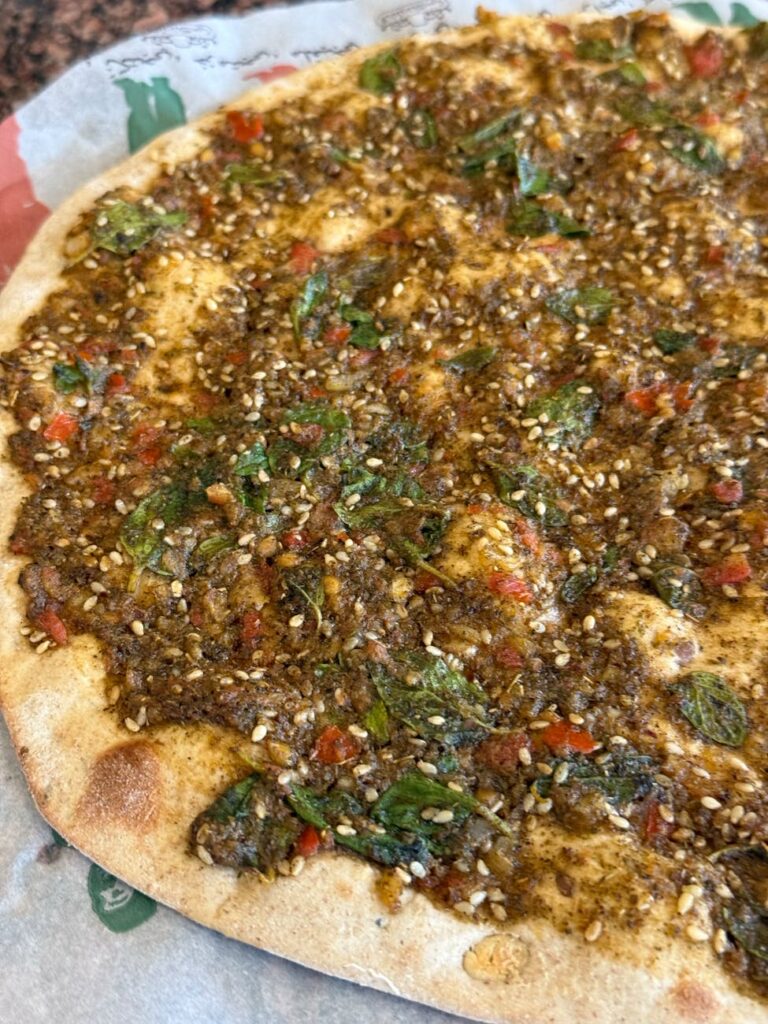
In a creative twist, Lebanese bread can serve as a base for individual-sized pizzas. Its thin, crispy texture allows for quick baking and an enjoyable crunch. Toppings can range from classic tomato and cheese to more exotic combinations featuring za’atar, labneh, or grilled vegetables.
5. In Salads
Lebanese bread can be cut into pieces and toasted to create croutons for salads. This application adds a delightful crunch and a subtle flavor that enhances the overall dish.
6. For Dipping
The soft, pliable nature of Lebanese bread makes it perfect for dipping into sauces and dressings. Whether it’s a tangy tahini sauce or a rich yogurt dip, the bread’s