
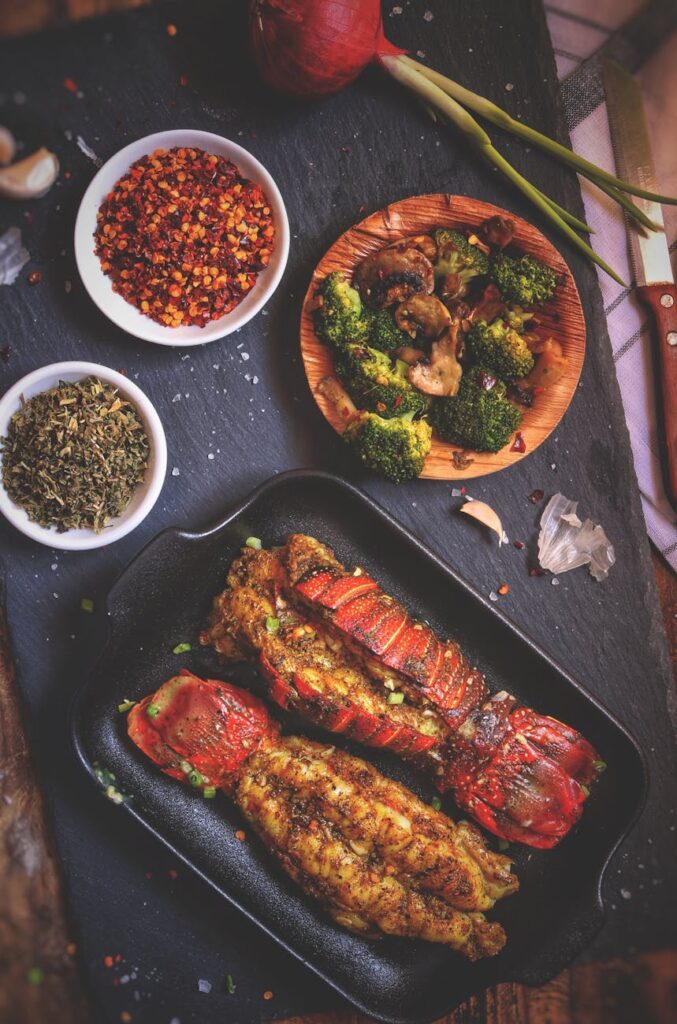
How to Use Lobster Properly
Introduction
Lobster, a luxurious seafood delicacy, has captivated culinary enthusiasts and fine dining establishments worldwide. Known for its sweet, tender meat and rich flavor, this crustacean has carved a niche in gourmet cuisine. Understanding how to use lobster properly not only enhances the culinary experience but also ensures that its unique qualities are fully appreciated. This article will delve into the multifaceted uses of lobster, exploring its history, production, quality considerations, and much more.
What Is Uses?
In culinary contexts, “uses” refers to the various ways an ingredient can be utilized in cooking and food preparation. For lobster, this encompasses not only traditional cooking methods but also innovative applications that highlight its versatility. Proper use of lobster entails understanding its characteristics, flavor profile, and the best methods to prepare and pair it with other ingredients.
History and Origins
Lobster has a storied history that dates back centuries. Initially considered a food for the lower classes in Europe, it was often harvested along the coasts and consumed by sailors and fishermen. In the 19th century, as transportation improved, lobster began to gain popularity among the affluent classes, particularly in North America and Europe. The shift in perception transformed it from a humble catch into a symbol of luxury.
The American lobster (Homarus americanus) and the European lobster (Homarus gammarus) are the two primary species consumed today. The former is predominantly found along the North American Atlantic coast, while the latter is harvested in European waters. The rise of lobster farming and sustainable harvesting practices in recent decades has contributed to its continued prominence in global cuisine.
Production and Processing
Lobster production involves both wild harvesting and aquaculture. Wild-caught lobster is primarily sourced from traps in coastal waters, where it is regulated to prevent overfishing. Aquaculture, or lobster farming, has gained traction as a sustainable alternative, allowing for controlled growth environments and reduced environmental impact.
Once harvested, lobsters are processed to ensure freshness. They are typically kept alive until they are cooked, as the quality of the meat deteriorates rapidly after death. Common processing methods include boiling, steaming, or grilling, each of which enhances the lobster’s natural flavors. The meat may also be extracted from the shell for use in various dishes, contributing to its versatility.
Quality and Grading
The quality of lobster is assessed based on several criteria, including size, freshness, and meat-to-shell ratio. Lobsters are typically graded by weight, with larger specimens commanding higher prices. The most commonly used grading system includes:
- Hard-Shell Lobsters: These lobsters have a firm shell and are usually heavier for their size, indicating a greater amount of meat.
- Soft-Shell Lobsters: These lobsters have recently molted, resulting in a thinner shell. While they may be easier to crack open, they tend to have less meat.
- Culls: These lobsters have one claw missing, which can affect their marketability but not necessarily their flavor.
- Boiling and Steaming: These methods are classic ways to prepare lobster. Boiling involves cooking the lobster in salted water, while steaming retains more flavor and moisture.
- Grilling: Grilling lobster halves creates a smoky depth of flavor, enhancing its natural sweetness.
- Broiling and Baking: Broiling allows for a crispy top, while baking can incorporate various toppings and flavors.
- Lobster Rolls: A staple in New England cuisine, lobster rolls showcase the meat in a simple yet flavorful sandwich.
- Soups and Bisques: Lobster bisque is a rich, creamy soup that highlights the crustacean’s delicate flavor.
- Pasta and Risotto: Incorporating lobster into pasta dishes or risottos adds an elegant touch to these comfort foods.
- Salads and Cold Dishes: Lobster can be served cold, often paired with citrus or light dressings to enhance its taste.
- Temperature: Store live lobsters in a cool environment, ideally between 40°F to 50°F (4°C to 10°C).
- Humidity: Maintain moisture by covering them with a damp cloth or seaweed to prevent dehydration.
- Time Frame: Live lobsters are best cooked within 24 to 48 hours of purchase.
- Refrigeration: Store cooked lobster in an airtight container in the refrigerator. It can last for 3 to 4 days.
- Freezing: If you need to store cooked lobster for an extended period, it can be frozen. Wrap it tightly in plastic wrap and then in aluminum foil. It can last up to 6 months in the freezer.
When buying lobster, it is crucial to choose high-quality specimens to ensure a superior dining experience.
Buying Considerations
When purchasing lobster, whether live or processed, several factors should be taken into account:
1. Freshness: Live lobsters should be active and responsive. Look for those that move their claws or antennae. If purchasing cooked lobster, ensure it has a fresh, briny aroma.
2. Source: Opt for lobsters that are sourced sustainably. Certifications from organizations like the Marine Stewardship Council (MSC) indicate responsible fishing practices.
3. Seasonality: Lobster seasons vary by region. Understanding the peak seasons for your area can help you find the freshest catch.
4. Preparation Style: Consider how you plan to prepare the lobster. Different cooking methods may require different sizes or types of lobster.
5. Storage Conditions: For live lobsters, proper storage is critical. They should be kept in a cool, moist environment, ideally in seaweed or a damp cloth.
Uses and Applications
Lobster is incredibly versatile, with applications ranging from traditional dishes to modern culinary innovations. Here are some prevalent uses:
Culinary Preparations
Lobster Meat Applications
Non-Culinary Uses
Interestingly, lobster shells have found applications beyond the plate. They are sometimes used in the production of chitin, a natural polymer that has various industrial uses, including biodegradable plastics and wound dressings.
Storage and Shelf Life
Proper storage is essential for maintaining the quality of lobster. Here are guidelines for both live and cooked lobster:
Live Lobster
Cooked Lobster
Common Misconceptions
Several misconceptions surround lobster that can lead to improper use or preparation:
1. All Lobster Tastes the Same: Flavor can vary significantly between species and preparation methods. Freshness and cooking technique play crucial roles in taste.
2. Lobster Must Be Cooked Live: While cooking live lobster is traditional, many chefs also use frozen or previously cooked lobster, which can be just as flavorful when prepared correctly.
3. Eating Lobster is Complicated: While the shell can be challenging to navigate, with practice, many find that extracting the meat becomes an enjoyable part of the experience.
4. Lobster is Only for Fine Dining: Lobster can be enjoyed in various settings, from casual gatherings to luxurious dinners, making it a versatile ingredient.
Frequently Asked Questions
1. What is the best way to cook lobster?
The best cooking method depends on personal preference. Boiling and steaming are classic options, while grilling offers a unique flavor. Experimenting with different methods can yield delightful results.
2. How can I tell if a lobster is fresh?
Look for active movement in live lobsters and a clean, briny smell for cooked ones. Fresh lobster meat should be firm and slightly translucent.
3. Can I freeze live lobster?
Freezing live lobster is not recommended. It is best to cook them first before freezing to maintain quality.
4. What should I serve with lobster?
Lobster pairs well with side dishes like corn on the cob, asparagus, or a light salad. Consider complementary flavors such as citrus or herb-infused sauces.
5. How do I remove meat from the shell?
Using a lobster cracker or seafood scissors can help. Start by cracking the claws and tail, then gently pull out the meat. Practice will improve your technique.
6. Is eating lobster sustainable?
Sustainability depends on sourcing. Choose lobsters from certified fisheries that practice sustainable harvesting to support ocean conservation.
Understanding how to use lobster properly not only enhances your culinary repertoire but also pays homage to this exquisite ingredient’s rich history and cultural significance. By following best practices for buying, cooking, and storing lobster, you can ensure a delightful dining experience that showcases this oceanic treasure.