
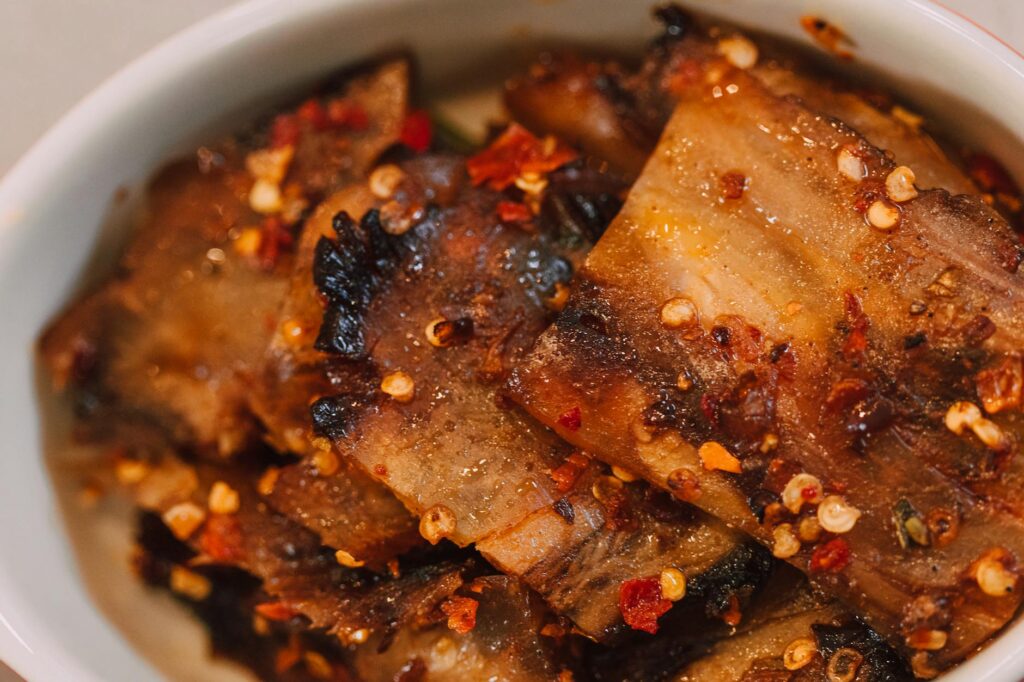
How to Use Miso Marinated Eggplant Properly
Introduction
Miso marinated eggplant, a delightful culinary creation, brings the umami-rich flavors of miso together with the soft, creamy texture of eggplant. This ingredient is not only versatile but also embodies the essence of Japanese cuisine, where fermentation and seasonal vegetables harmoniously converge. Understanding how to use miso marinated eggplant effectively can elevate your cooking, providing depth and richness to various dishes.
What Is Miso Marinated Eggplant?
Miso marinated eggplant is prepared by soaking eggplant in a mixture of miso paste, often combined with other ingredients such as sugar, mirin, or sake. The fermentation process inherent in miso, a traditional Japanese condiment made from fermented soybeans, enhances the eggplant’s natural flavors while imparting a savory, slightly tangy profile. The marination process not only transforms the eggplant into a culinary delight but also preserves it, allowing for various uses in cooking.
History and Origins
The history of miso marinated eggplant is deeply rooted in Japanese culinary traditions. Miso itself dates back over a thousand years, with origins linked to ancient China and its introduction to Japan around the 7th century. The Japanese adopted and adapted miso, integrating it into their diets.
Eggplant, known as “nasu” in Japanese, has been cultivated for centuries and is celebrated for its versatility. The combination of miso and eggplant likely arose from the desire to enhance the flavor of seasonal vegetables while utilizing the preservation qualities of fermentation. Over time, this method became a staple in Japanese households, contributing to the concept of umami in everyday cooking.
Production and Processing
The production of miso marinated eggplant involves several key steps. First, the eggplants are typically sliced or halved to maximize their surface area for marination. The miso paste, which can vary in color and flavor (from white to red), is then mixed with additional ingredients like sugar, sake, or mirin to create a balanced marinade.
Once the eggplant is coated with the mixture, it is allowed to marinate for several hours to several days, depending on the desired intensity of flavor. The fermentation process begins as the miso interacts with the eggplant, breaking down its cellular structure and infusing it with rich flavors. After the marination period, the eggplant is often cooked, allowing it to absorb even more of the miso’s savory notes, thereby enhancing its overall taste.
Quality and Grading
When selecting miso marinated eggplant, the quality can vary significantly based on the ingredients used and the marination process. High-quality miso should be made from whole soybeans and have a complex flavor profile, while the eggplants should be fresh, firm, and devoid of blemishes.
Miso is often graded based on its color, flavor, and fermentation time. Light miso (shiro miso) is sweeter and less salty, making it ideal for delicate dishes, while dark miso (aka miso) is saltier and has a more robust flavor, suitable for heartier preparations. The choice of miso will greatly influence the final taste of the marinated eggplant, making it essential to consider the desired flavor outcome when selecting your ingredients.
Buying Considerations
When purchasing miso marinated eggplant, several factors should be taken into account:
1. Ingredient Quality: Look for eggplants that are firm, shiny, and free of spots. The miso should be made from quality ingredients, preferably organic.
2. Flavor Profile: Depending on your preference, you may choose between different types of miso (white, yellow, or red) based on their sweetness and saltiness.
3. Packaging: Ensure that the product is well-packaged to maintain freshness. Vacuum-sealed or airtight containers are preferable.
4. Brand Reputation: Consider brands known for their commitment to quality. Research customer reviews or seek recommendations from culinary experts.
5. Local vs. Imported: Local products may offer fresher options and support regional agriculture, while imported products may provide authentic tastes that are not available locally.
Uses and Applications
Miso marinated eggplant is a highly versatile ingredient that can be employed in numerous culinary applications:
1. Side Dish: The eggplant can be served as a standalone side, offering a savory complement to rice or noodles.
2. Salads: Chilled or warm slices of miso marinated eggplant can add depth to salads, particularly those featuring grains or other roasted vegetables.
3. Toppings: Use it as a flavorful topping for rice bowls or grain-based dishes, enhancing the overall flavor profile.
4. Stir-Fries: Incorporate the marinated eggplant in stir-fries or vegetable medleys, where its rich flavors can enhance the dish as a whole.
5. Sandwiches and Wraps: The creamy texture of miso marinated eggplant makes it an excellent filling for sandwiches or wraps, adding both flavor and nutrition.
6. Pasta Dishes: Try adding the marinated eggplant to pasta dishes, where it can complement tomato-based sauces or creamy dressings.
7. Pizza Topping: For a unique twist, use miso marinated eggplant as a topping on pizzas, pairing it with ingredients like goat cheese, arugula, or olives.
Storage and Shelf Life
Proper storage is crucial for maintaining the quality of miso marinated eggplant. If purchased commercially, follow the manufacturer’s storage recommendations. Generally, unopened packages can be stored in a cool, dark place, such as a pantry. Once opened, they should be refrigerated and consumed within a week or two for the best flavor and texture.
If homemade, miso marinated eggplant can be kept in an airtight container in the refrigerator for up to two weeks. Alternatively, it can be frozen for longer storage, although this may alter the texture slightly. To freeze, ensure the eggplant is well-packed to prevent freezer burn and use it within three months for optimal flavor.
Common Misconceptions
1. Miso Is Just a Condiment: Many view miso solely as a soup base, but its versatility extends to marinades, dressings, and even desserts.
2. All Miso Tastes the Same: The flavor of miso varies widely depending on the fermentation process and ingredients used, resulting in a spectrum of taste profiles.
3. Eggplant Is Not Nutritious: While eggplant is low in calories, it is rich in antioxidants, fiber, and vitamins, making it a valuable addition to a balanced diet.
4. Marinated Eggplant Is Unhealthy: The fermentation process used in miso enhances digestibility and introduces beneficial probiotics, making miso marinated eggplant a nutritious choice when consumed in moderation.
5. Miso Marinated Eggplant Is Only for Asian Dishes: Its rich umami flavor allows it to complement a wide variety of cuisines, making it suitable for global culinary applications.
6. It Is Difficult to Make: While the marination process requires some time, making miso marinated eggplant at home is relatively simple and can be tailored to individual taste preferences.
Frequently Asked Questions
1. What is miso, and how is it made?
Miso is a fermented paste made from soybeans, salt, and a fermenting agent called koji (rice, barley, or soybeans). The ingredients are combined and allowed to ferment, resulting in a savory, umami-rich condiment.
2. Can I use other vegetables for miso marination?
Yes, various vegetables, such as zucchini, carrots, or radishes, can be marinated in miso for different flavor profiles and textures.
3. How do I know if miso marinated eggplant has gone bad?
Signs of spoilage include off-smells, discoloration, or an unusual texture. If in doubt, it is best to discard it.
4. Can I eat miso marinated eggplant raw?
While it is safe to eat raw, cooking can enhance the flavors and texture, allowing for a more enjoyable experience.
5. What are the best types of miso for marinating eggplant?
Both white (shiro) and red (aka) miso work well, with white miso lending a sweeter taste and red miso offering a stronger, saltier flavor.
6. How can I enhance the flavor of miso marinated eggplant?
Consider adding garlic, ginger, or chili flakes to the marinade for additional layers of flavor, or experiment with different miso varieties to find your preferred taste.
By understanding the multifaceted nature of miso marinated eggplant, from its historical roots to its diverse applications in modern cooking, you can harness its full potential in your culinary endeavors. Whether as a side dish, topping, or main component in a meal, miso marinated eggplant is an ingredient that deserves a place in every kitchen.