
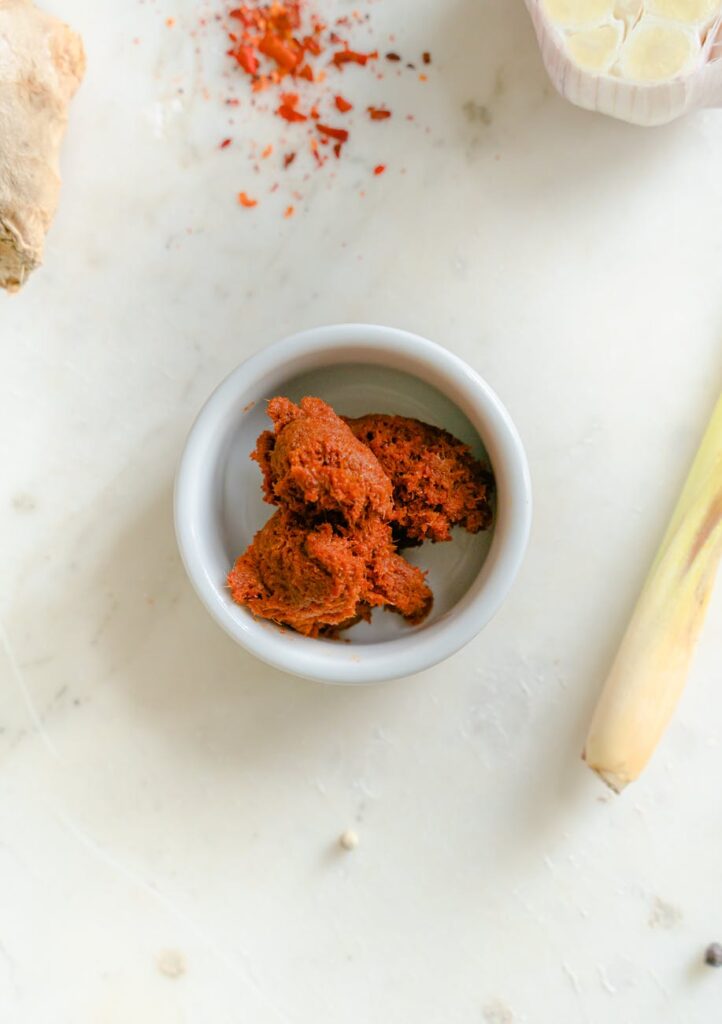
How to Use Miso Properly
Introduction
Miso, a traditional Japanese fermented soybean paste, has gained global recognition for its rich umami flavor and versatility in culinary applications. This article delves into the uses of miso, exploring its historical significance, production processes, quality grading, and a myriad of applications in modern cooking. Understanding how to use miso properly can enhance dishes, elevate flavors, and provide a deeper appreciation of this ancient ingredient.
What Is Miso?
Miso is a fermented paste made primarily from soybeans, though variations can include other grains such as rice and barley. The fermentation process involves the action of a specific mold, Aspergillus oryzae, followed by the addition of salt and water to create a paste that is aged for varying lengths of time. The result is a complex flavor profile that ranges from sweet to savory, with a rich umami depth. Miso is not just a condiment; it plays a vital role in flavoring dishes, enriching sauces, and even serving as a base for soups.
History and Origins
Miso’s origins trace back over a thousand years to ancient China, where it was first produced around the 7th century. The technique of fermenting soybeans spread to Japan, where it evolved into the miso we know today. By the 16th century, miso production had become an integral part of Japanese cuisine, with distinct regional varieties emerging. The traditional methods of production have been preserved through generations, reflecting a deep cultural connection to the ingredient and its uses.
Production and Processing
The production of miso involves several intricate steps:
1. Ingredient Selection: The primary ingredients are soybeans, koji (a mold culture), salt, and water. The choice of these ingredients affects the final flavor.
2. Fermentation: Cooked soybeans are mixed with koji and salt. This mixture is then fermented for a specific period, ranging from a few months to several years. The length of fermentation influences the flavor, color, and texture of the miso.
3. Aging: During aging, enzymes break down the soy proteins and starches, resulting in the development of complex flavors. The environment, including temperature and humidity, plays a crucial role in this stage.
4. Packaging: Once the desired flavor profile is achieved, the miso is cooled, packaged, and stored for distribution.
Different types of miso—such as white (shiro), red (aka), and mixed (awase)—are produced based on variations in fermentation time, ingredients, and techniques.
Quality and Grading
Miso is graded based on several factors, including color, aroma, texture, and flavor complexity. High-quality miso will have a balanced umami taste and a pleasant aroma. When selecting miso, consider the following grading indicators:
- Color: Lighter misos typically have a sweeter taste, while darker varieties offer a stronger, earthier flavor.
- Texture: High-quality miso should be smooth and creamy, indicating proper fermentation.
- Flavor Profile: Taste testing is essential; premium miso should deliver a well-rounded umami experience without overwhelming saltiness.
- Type of Miso: Understand the different types of miso—white, red, and mixed—and their respective flavor profiles to select one that suits your intended culinary application.
- Ingredients: Look for miso made with natural ingredients, avoiding additives or preservatives when possible.
- Source: Consider buying from reputable brands or local artisans known for traditional methods, as they often produce higher-quality miso.
- Packaging: Miso is typically sold in jars, tubs, or vacuum-sealed packages. Ensure the packaging is intact and has not been exposed to excessive light or air, as this can affect quality.
- Storage Recommendations: Check labeling for proper storage instructions to maintain freshness after purchase.
Additionally, some producers emphasize organic ingredients and traditional fermentation methods, which can further distinguish their products in terms of quality.
Buying Considerations
When purchasing miso, there are several factors to consider to ensure you choose a high-quality product:
Uses and Applications
Miso’s versatility extends beyond its traditional role as a soup base. Here are several applications across various cuisines:
1. Soups and Broths
Miso is perhaps best known for its role in miso soup, a staple in Japanese cuisine. However, it can also enhance other broths, adding depth and richness.
2. Marinades and Glazes
Miso can serve as a flavorful base for marinades, adding umami and complexity to proteins such as fish, chicken, and tofu. Its thick texture allows it to coat ingredients well, resulting in a flavorful crust when grilled or roasted.
3. Dressings and Sauces
In salad dressings, miso can replace traditional elements such as mustard or vinegar, imparting a unique flavor. It can also be blended into sauces, enhancing dishes from stir-fries to pasta.
4. Dips and Spreads
Miso can be combined with ingredients like tahini or yogurt to create rich dips for vegetables or spreads for sandwiches.
5. Baking
Innovative bakers are now incorporating miso into sweet applications, enhancing cookies, cakes, and even breads with its complex flavor.
6. Vegan and Vegetarian Cooking
Miso is an excellent ingredient for vegan and vegetarian dishes, providing a depth of flavor typically associated with animal products. It can enrich vegetable dishes, lending a savory profile that enhances overall palatability.
7. Global Cuisine
Miso has transcended its Japanese roots, finding its way into fusion dishes worldwide. Its umami-rich profile can enhance Italian, Mexican, and even Middle Eastern cuisines, showcasing its adaptability.
Storage and Shelf Life
Proper storage is crucial to maintaining