
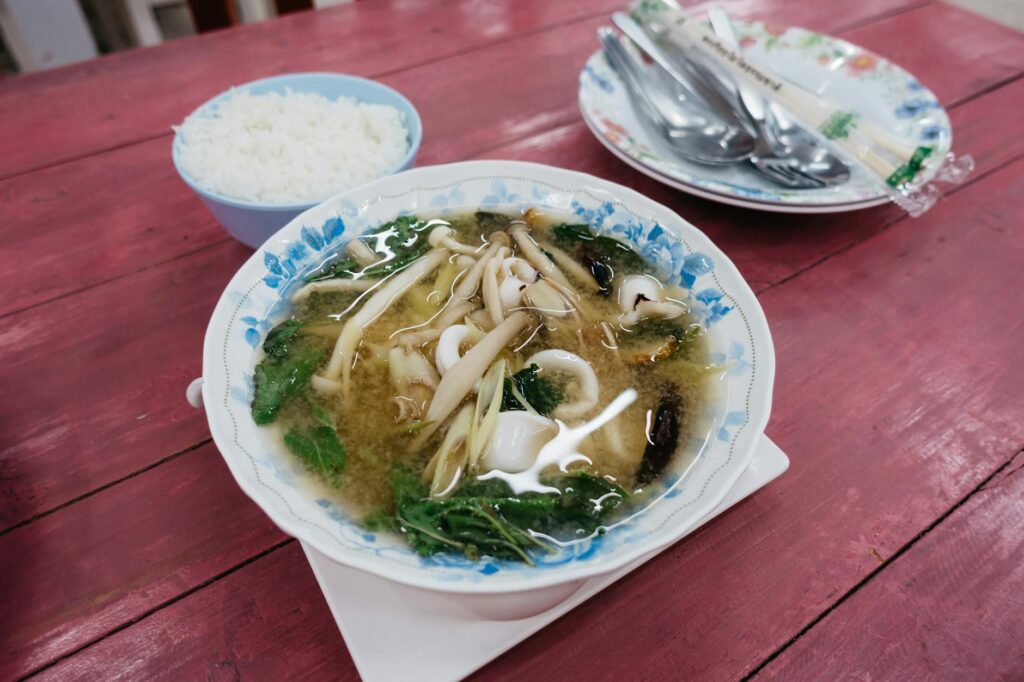
How to Use Miso Soup Properly
Introduction
Miso soup, a staple in Japanese cuisine, is more than just a warm bowl of broth; it is a culinary tradition steeped in history and cultural significance. This umami-rich dish not only serves as a comforting meal but also as a versatile ingredient in various culinary applications. In this comprehensive guide, we will explore the uses of miso soup, its origins, production methods, quality grading, storage, and common misconceptions, providing an authoritative resource for both culinary enthusiasts and professionals.
What Is Miso Soup?
Miso soup is a traditional Japanese soup made primarily from miso paste, which is fermented soybean paste. The soup typically includes dashi, a Japanese stock made from kombu (dried kelp) and katsuobushi (dried bonito flakes). Miso soup can be customized with a variety of ingredients such as tofu, seaweed, vegetables, and even proteins like fish or meat. The result is a nourishing, flavorful broth that embodies the essence of umami.
History and Origins
The origins of miso soup can be traced back to ancient Japan, with evidence of fermented soybean products dating as far back as the 7th century. Miso, as we know it today, evolved from a Chinese product called “jiang.” Over the centuries, miso soup became a daily staple, particularly among Buddhist monks who valued the dish for its nutritional properties.
During the Edo period (1603-1868), miso soup gained widespread popularity among the general populace. Various regional styles of miso emerged, each with distinct flavors and characteristics influenced by local ingredients. Today, miso soup is not only an integral part of Japanese cuisine but has also gained global recognition, often served in Japanese restaurants around the world.
Production and Processing
The production of miso soup is a two-step process: first, the creation of miso paste, followed by the preparation of the soup itself.
Miso Paste Production
Miso paste is produced through a fermentation process involving soybeans, salt, and a specific type of mold known as Aspergillus oryzae. The soybeans are soaked, cooked, and then combined with the mold and salt. This mixture ferments for a period ranging from a few months to several years, resulting in a rich, complex flavor profile.
Preparing Miso Soup
To create miso soup, dashi is prepared as a base. The dashi is made by simmering kombu and katsuobushi in water, creating a savory stock. The miso paste is then dissolved in this stock, often with additional ingredients such as tofu, green onions, or seaweed added for texture and flavor. The soup is typically served hot but can also be enjoyed at room temperature or chilled.
Quality and Grading
The quality of miso soup depends significantly on the quality of the miso paste used. Miso paste is graded based on several factors, including:
- Color: Ranging from white to dark brown, each color indicates a different flavor and fermentation duration.
- Texture: A higher quality miso paste will have a smooth, cohesive texture without excessive graininess.
- Flavor: Quality miso should have a well-balanced umami flavor, with depth and complexity.
Many producers will also label their miso paste as organic or non-GMO, which can be important for consumers seeking high-quality ingredients.
Buying Considerations
When purchasing miso paste for use in miso soup, consider the following:
1. Type of Miso: There are several types of miso, including white (shiro), yellow (shinshu), and red (aka). Each has a unique flavor profile and fermentation time, influencing the final taste of the soup.
2. Freshness: Look for miso paste that has been recently produced, as fresher miso tends to have a more vibrant flavor.
3. Packaging: Miso paste is typically sold in vacuum-sealed packages or tubs. Ensure the packaging is intact to maintain freshness.
4. Brand Reputation: Opt for brands known for quality production methods and sourcing of ingredients. Local or artisanal brands often offer unique flavors influenced by regional ingredients.
5. Storage Instructions: Miso paste should be stored in a cool, dark place and refrigerated after opening to maintain its flavor and freshness.
Uses and Applications
Miso soup is not only a dish in itself but also serves various functions in culinary applications:
1. As a Base for Various Dishes
Miso soup can serve as a flavorful base for other dishes, including stews, ramen, and even risottos. The umami characteristics of miso enhance the overall flavor profile.
2. Dipping Sauce
Miso soup can be reduced to a thicker consistency and used as a dipping sauce for vegetables, dumplings, or grilled meats.
3. Marinades
The rich flavor of miso makes it an excellent component in marinades for proteins. When combined with ingredients such as soy sauce, sake, or mirin, it creates a complex flavor that penetrates the food.
4. Salad Dressings
Miso can be emulsified into salad dressings, adding depth and richness to vinaigrettes, especially when paired with ingredients like sesame oil or rice vinegar.
5. Flavoring Agent
Miso soup can be incorporated into sauces, gravies, and even baked goods, providing a unique umami flavor that enhances the overall dish.
6. Nutritional Boost
Given its high protein content and probiotic qualities, miso soup can serve as a healthful addition to meals, enriching dishes with both flavor and nutrition.
Storage and Shelf Life
Miso paste has a long shelf life due to its fermentation process. Unopened, it can last for a year or more when stored in a cool, dark place. Once opened, it should be kept in the refrigerator, where it can maintain its flavor for up to six months or longer, depending on the type of miso. Always ensure that the container is sealed securely to prevent exposure to air.
Common Misconceptions
Despite its popularity, several misconceptions surround miso soup:
1. Miso is Only for Soup: While it is primarily associated with soup, miso is a versatile ingredient that can be used in a variety of dishes, as discussed above.
2. Miso is Always High in Sodium: While miso does contain salt, using it in moderation can allow for a flavorful dish without excessive sodium.
3. All Miso is Gluten-Free: Some miso pastes contain barley, which is not gluten-free. Always check labels for gluten-free certification.
4. Miso Soup is Unhealthy: When prepared thoughtfully, miso soup can be a nutritious addition to any diet, rich in probiotics and protein.
5. Homemade Miso Paste is Easy to Make: While it is possible to make miso at home, the fermentation process can be lengthy and requires precise conditions for optimal results.
Frequently Asked Questions
1. Is miso soup vegan?
Yes, miso soup can be made vegan by using vegetable dashi instead of fish-based dashi.
2. Can I use miso paste after the expiration date?
While miso paste can still be safe to consume after the expiration date, its flavor may diminish. Always check for signs of spoilage before use.
3. How do I make miso soup without dashi?
You can create a simple miso soup with just water and miso paste, though the flavor will be less complex. Consider adding ingredients like tofu or seaweed for additional flavor.
4. Can miso soup be frozen?
While miso soup can be frozen, it is best to freeze the broth without adding miso paste. You can add the paste when reheating to maintain its flavor.
5. What is the best miso for beginners?
White miso (shiro) is typically recommended for beginners due to its mild flavor, making it versatile for various dishes.
6. How can I adjust the saltiness of miso soup?
To reduce saltiness, use less miso paste or add more water or broth. Conversely, if more flavor is desired, a bit more miso can be added gradually.
Conclusion
Miso soup serves as a culinary cornerstone that transcends its traditional roots. Understanding its uses, production, and cultural significance enriches our appreciation of this beloved dish. Whether enjoyed as a warm bowl of comfort or as a versatile ingredient in diverse culinary applications, miso soup continues to delight palates around the world. Embracing its history and versatility allows for a deeper connection to the flavors and traditions of Japanese cuisine.