
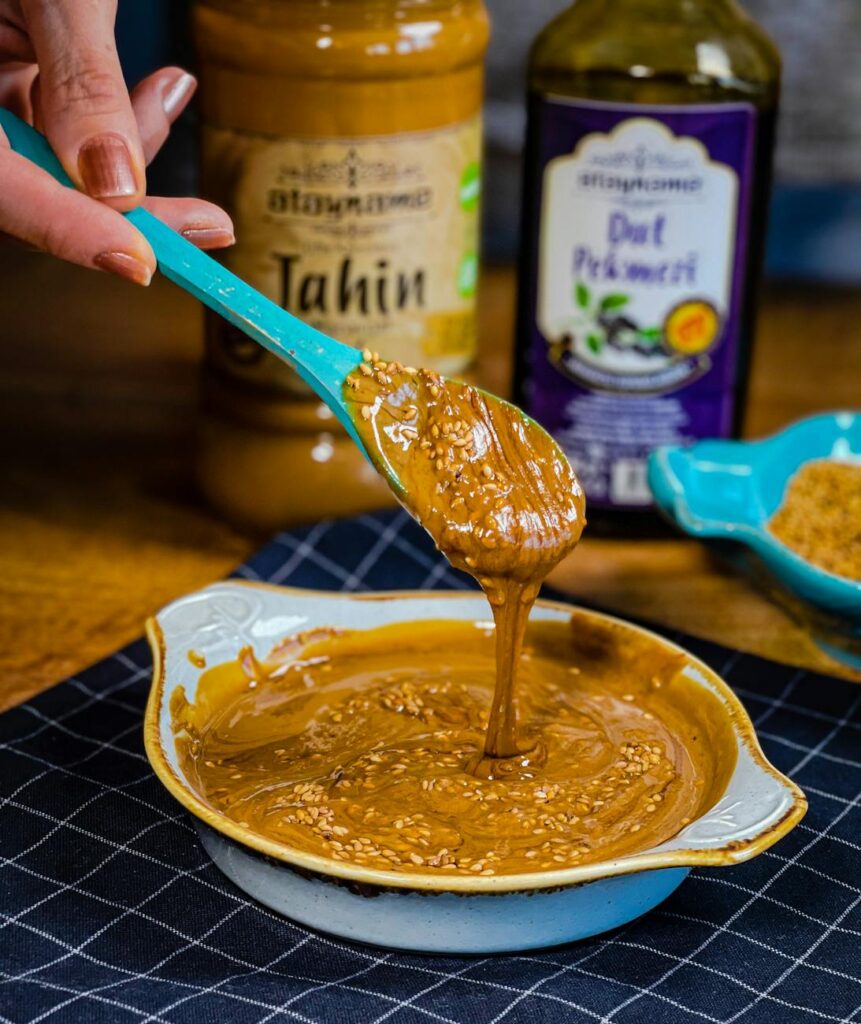
How to Use Miso Tahini Properly
Introduction
Miso tahini, a unique blend of two esteemed ingredients—miso and tahini—has garnered attention for its versatility and rich umami flavor. This fusion not only enhances dishes but also adds nutritional value, making it a popular choice among chefs and home cooks alike. Understanding how to use miso tahini properly can elevate your culinary creations, providing depth and complexity to a variety of recipes. This article delves into the uses of miso tahini, exploring its history, production, quality grading, and practical applications.
What Is Miso Tahini?
Miso tahini is a condiment that combines miso, a fermented soybean paste from Japan, with tahini, a creamy paste made from ground sesame seeds, commonly used in Middle Eastern cuisine. This fusion results in a smooth, rich paste that boasts a complex flavor profile, combining the nutty characteristics of tahini with the savory depth of miso. It can be used in dressings, sauces, dips, and marinades, enhancing both plant-based and omnivorous dishes.
History and Origins
Miso has a history that dates back over a thousand years in Japan, where it was traditionally used as a staple ingredient in various dishes, notably miso soup. It is made through a fermentation process involving soybeans, salt, and koji mold. Tahini, on the other hand, has origins in the Middle East, with references dating back to ancient cultures. The combination of these two ingredients into miso tahini is a relatively modern culinary innovation, merging flavors from diverse culinary traditions to create a unique ingredient that appeals to a global audience.
Production and Processing
The production of miso tahini involves several steps:
1. Miso Preparation: Miso is produced by fermenting soybeans with a specific strain of mold and salt. Depending on the type of miso (white, yellow, red, or brown), the fermentation time and ingredients vary, affecting the flavor and color.
2. Tahini Preparation: Tahini is made by grinding roasted sesame seeds into a smooth paste. The quality of sesame seeds, whether hulled or unhulled, can significantly impact the flavor and texture of tahini.
3. Blending: Once both components are prepared, they are blended together to create miso tahini. The ratio of miso to tahini can vary, allowing for customization of flavor intensity.
The final product is then packaged for distribution, often emphasizing the importance of using high-quality ingredients to maintain flavor integrity.
Quality and Grading
The quality of miso tahini is influenced by the individual components:
- Miso Quality: High-quality miso should be made with organic soybeans, non-GMO ingredients, and traditional fermentation methods. The flavor should be balanced, with a pleasant umami profile.
- Tahini Quality: Premium tahini should be made from freshly roasted sesame seeds, free from additives and preservatives. The texture should be smooth and creamy.
- Unopened: Store miso tahini in a cool, dark place, such as a pantry or cupboard. It can last for several months to a year unopened, depending on the quality and ingredients.
- Opened: Once opened, miso tahini should be refrigerated to preserve freshness. It can last for several months when kept in an airtight container.
When selecting miso tahini, look for products that explicitly state their ingredient sourcing and production methods. The flavor, aroma, and texture can vary significantly based on the quality of the individual ingredients.
Buying Considerations
When purchasing miso tahini, consider the following factors:
1. Ingredient Transparency: Choose brands that provide clear information about the origin and quality of their miso and tahini.
2. Flavor Profile: Different miso varieties (e.g., white, red) will impart unique flavors. Consider your intended use when selecting a type.
3. Nutritional Content: Look for products with minimal additives and preservatives to ensure you are getting a wholesome ingredient.
4. Sustainability: Consider choosing brands that prioritize sustainable farming practices, particularly for soybeans and sesame seeds.
5. Packaging: Opt for products in glass or recyclable packaging to minimize environmental impact.
Uses and Applications
Miso tahini is incredibly versatile and can be used in a variety of culinary applications:
1. Salad Dressings
Miso tahini adds a creamy texture and savory flavor to salad dressings. When combined with vinegar, citrus juice, or a touch of sweetener, it creates a well-rounded dressing that enhances greens and roasted vegetables.
2. Dips and Spreads
Miso tahini serves as a fantastic base for dips. By mixing it with yogurt, garlic, or herbs, you can create a flavorful spread perfect for pita, crackers, or as a vegetable dip.
3. Marinades
Adding miso tahini to marinades not only enhances flavors but also aids in tenderizing proteins. The umami from the miso complements various meats, fish, and plant-based proteins.
4. Sauces
Incorporating miso tahini into sauces provides a rich, nutty flavor. It can serve as a base for gravies, pasta sauces, or even as a complement to grilled dishes.
5. Soups and Stews
Miso tahini can enrich soups and stews, adding depth and complexity. A spoonful stirred in just before serving can elevate a simple broth or vegetable soup.
6. Baking
Miso tahini can also find a place in baking, used as a substitute for fats or as a flavor enhancer in cookies, cakes, and pastries.
Storage and Shelf Life
Proper storage is crucial for maintaining the quality of miso tahini. Here are some guidelines: