
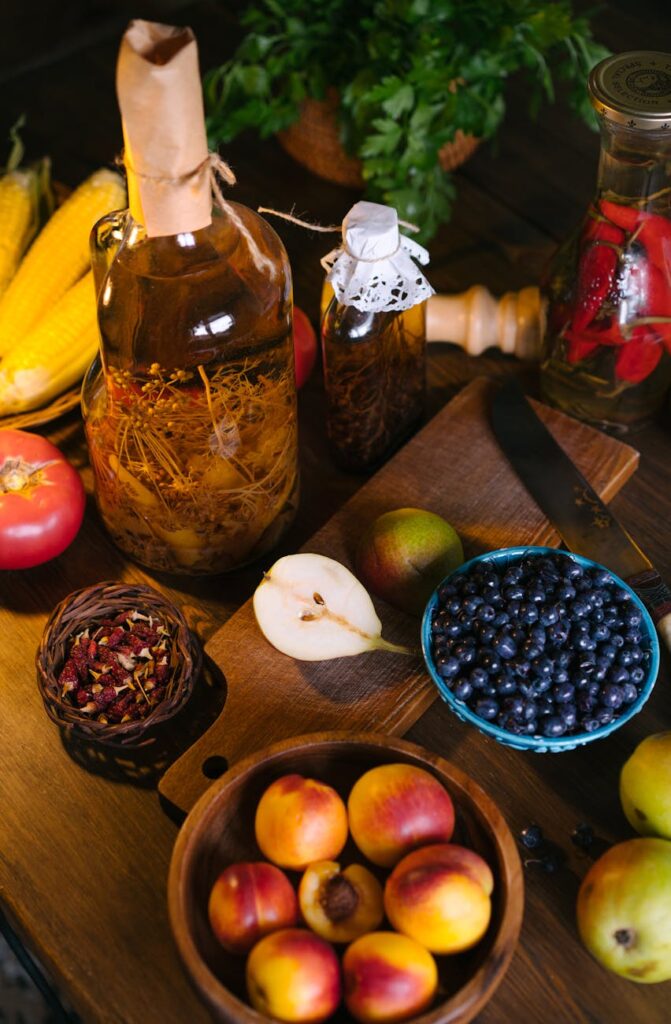
How to Use Nectarines Properly
Introduction
Nectarines are a delightful stone fruit celebrated for their juicy sweetness and smooth skin. Often mistaken for peaches, these fruits share many characteristics but stand out due to their distinct texture and flavor. This article explores the multifaceted uses of nectarines, from their historical origins to practical applications in culinary settings, ensuring that enthusiasts and professionals alike understand how to use this versatile ingredient properly.
What Is Uses?
In the context of food ingredients, “uses” refers to the various ways an ingredient can be incorporated into cooking, baking, and food preparation. This includes not only direct consumption but also the application of the ingredient in various culinary techniques, food pairings, and preservation methods. Understanding the uses of nectarines is essential for maximizing their potential and integrating them effectively into diverse dishes.
History and Origins
Nectarines are believed to have originated in China over 2,000 years ago, where they were cultivated for their sweetness and aroma. They are a genetic mutation of peaches, specifically lacking the fuzz that characterizes their fuzzy counterparts. Historical texts indicate that nectarines were valued by ancient civilizations not only for their delightful flavor but also for their aesthetic appeal. As trade networks expanded, nectarines made their way to Europe and the Americas, where they gained popularity among farmers and consumers alike.
Today, nectarines are grown in temperate climates worldwide, with significant production in the United States, China, and Spain. The fruit is available in both yellow and white varieties, each offering a unique taste profile and culinary application.
Production and Processing
Nectarines thrive in well-drained soil and require a temperate climate with a defined chilling period to produce high-quality fruit. The cultivation process involves careful management of pests and diseases, as nectarines are susceptible to various agricultural challenges. Harvesting typically occurs in late summer to early fall, and the fruit is often hand-picked to prevent bruising.
Post-harvest processing includes washing, sorting, and packing the nectarines for distribution. Quality control is crucial in this stage to ensure that only the best fruit reaches consumers. The use of controlled atmosphere storage can prolong shelf life by reducing respiration and delaying ripening.
Quality and Grading
The quality of nectarines is assessed based on several criteria, including size, color, firmness, and blemish-free skin. The United States Department of Agriculture (USDA) provides grading standards, which classify nectarines into categories such as U.S. Extra Fancy, U.S. Fancy, and U.S. No. 1. Higher-grade nectarines typically exhibit superior sweetness, texture, and visual appeal.
When selecting nectarines, look for fruits that are slightly soft to the touch, with a vibrant color and a pleasant aroma. Avoid nectarines that show signs of bruising or have wrinkled skin, as these may indicate over-ripeness or spoilage.
Buying Considerations
When purchasing nectarines, several factors should be taken into account to ensure optimal quality.
1. Seasonality: Nectarines are typically in season from late spring to early fall, making this the ideal time to purchase fresh fruit. Off-season nectarines may have been stored for extended periods, leading to a decline in flavor and texture.
2. Source: Local farms or farmers’ markets often provide the freshest nectarines, with the added benefit of supporting local agriculture. Organic options are also available for consumers seeking pesticide-free fruit.
3. Varieties: Familiarize yourself with the different varieties of nectarines, as each type offers unique flavors and textures. Yellow-fleshed nectarines are generally more aromatic and tangy, while white-fleshed varieties tend to be sweeter and less acidic.
4. Ripeness: Choose nectarines that are firm yet slightly soft at the stem end. If purchasing unripe nectarines, allow them to ripen at room temperature before refrigerating them.
Uses and Applications
Nectarines can be utilized in a multitude of culinary applications, making them a versatile ingredient in both sweet and savory dishes. Here are some prominent uses:
Fresh Consumption
Nectarines can be enjoyed raw, either on their own or as part of a fruit salad. Their juicy flesh and sweet flavor make them an excellent choice for snacking.
Salads
Nectarines can elevate salads, providing a burst of flavor and color. When sliced, they can be combined with greens, nuts, and cheese for a refreshing dish. Their sweetness pairs well with tangy dressings, creating a balance that enhances the overall flavor profile.
Baking
Nectarines can be incorporated into various baked goods, including tarts, pies, and crumbles. Their natural sweetness allows for reduced sugar usage, while their juicy texture adds moisture to baked items.
Cooking
Nectarines can also be used in savory dishes. Grilled or roasted nectarines bring out their sweetness, making them an ideal accompaniment to meats like pork or chicken. They can also be blended into sauces or salsas for a unique flavor twist.
Preserves and Jams
Nectarines lend themselves well to preserves, jams, and chutneys. Their natural sugars and acidity make them perfect for canning, allowing for year-round enjoyment.
Smoothies and Juices
Nectarines can be blended into smoothies or juiced for a refreshing beverage. Their sweet flavor complements other fruits and vegetables, creating a nutritious drink option.
Garnishing
Nectarines can serve as an attractive garnish for desserts and cocktails. Slices can add color and flavor to dishes, enhancing their visual appeal.
Storage and Shelf Life
Proper storage is essential to maintaining the quality of nectarines. If nectarines are unripe, store them at room temperature until they soften. Once ripe, they can be refrigerated to extend their shelf life by a few days. However, refrigeration may alter their texture, so it’s best to