
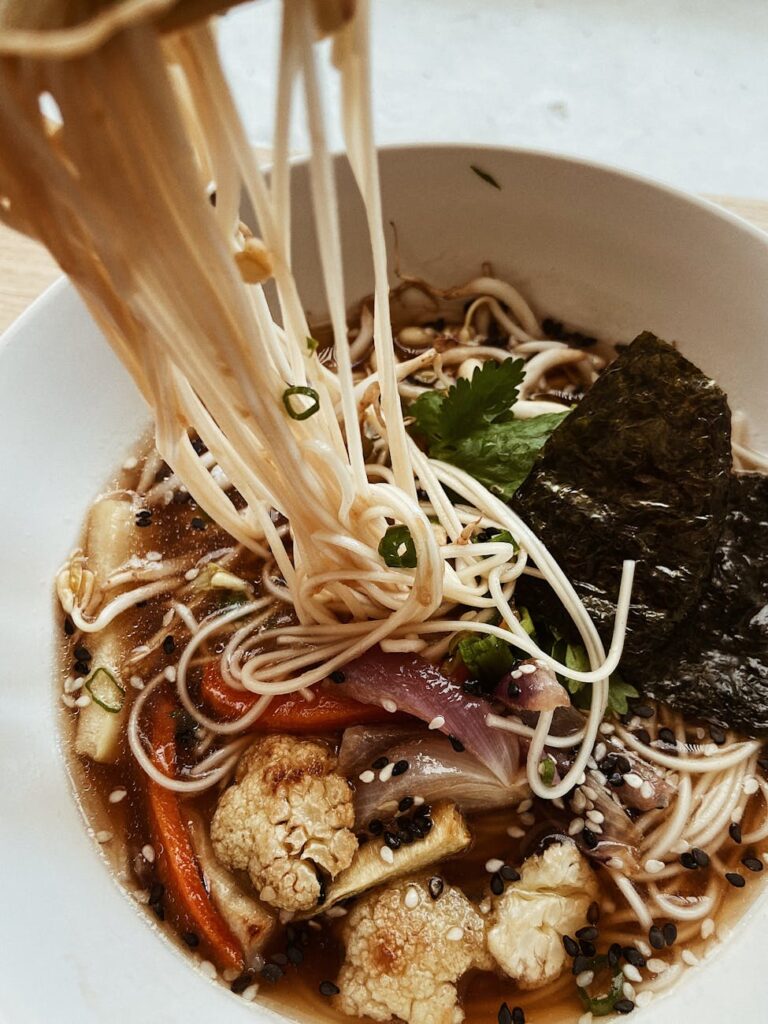
How to Use Nori Properly
Introduction
Nori, a popular seaweed primarily known for its role in sushi, is a versatile ingredient that has transcended its traditional culinary boundaries. Recognized for its unique flavor, nutritional profile, and aesthetic appeal, nori has carved out a significant niche in global cuisine. This article delves into the various uses of nori, exploring its historical roots, production methods, quality grading, and practical applications, offering a comprehensive guide for both novices and seasoned culinary enthusiasts.
What Is Nori?
Nori is a type of edible seaweed, specifically from the red algae family, primarily the species Porphyra. It is most commonly dried and processed into thin sheets that are used in a variety of culinary applications. With a distinct umami flavor, nori is rich in vitamins and minerals, making it not only a flavorful addition to dishes but also a nutritious one.
History and Origins
The consumption of nori dates back over a thousand years, with origins tracing to Japan, where it was first cultivated in the 17th century. Initially harvested from the wild, its cultivation became more organized in the Edo period (1603-1868) when farmers began to grow it on nets in coastal areas. This practice gradually spread to other parts of Asia, including Korea and China, where nori is referred to as “gim” and “hai,” respectively. Today, nori is produced in various countries, including the United States and Europe, reflecting its growing popularity worldwide.
Production and Processing
The production of nori involves several meticulous steps to ensure quality and flavor. Typically, the process begins with the harvesting of Porphyra species from the ocean. After harvesting, the seaweed is washed to remove any impurities and then shredded into fine pieces. The shredded seaweed is then spread out on screens to dry, where it undergoes a pressing process to form thin sheets. These sheets are then grilled or toasted, enhancing their flavor and making them suitable for culinary use.
The final product is dried nori, which can be found in various forms: whole sheets, cut strips, or even flavored varieties. The toasting process not only adds depth to the flavor but also helps preserve the seaweed, making it ideal for storage and use in various dishes.
Quality and Grading
Quality is paramount when it comes to nori. The grading system typically categorizes nori based on factors such as color, texture, and aroma. Higher-grade nori has a vibrant green hue, a smooth texture, and a pleasant, ocean-fresh aroma. These qualities indicate that the seaweed was harvested at the right time and processed correctly.
Common grades include:
- Premium Grade: Characterized by its bright green color and delicate texture, this grade is often used in high-end sushi restaurants.
- Standard Grade: Slightly darker in color and less delicate, this grade is suitable for home cooking and casual dining.
- Lower Grades: Typically used for snacks and other applications where the flavor and appearance are less critical.
When selecting nori, it is advisable to look for reputable brands that provide information about their production processes and quality controls.
Buying Considerations
When purchasing nori, several factors should be taken into account to ensure a satisfying culinary experience:
1. Form: Nori is available in various forms, including whole sheets, cut strips, and flavored varieties. Whole sheets are ideal for sushi, while cut strips are convenient for snacks and garnishes.
2. Quality: As mentioned earlier, higher-grade nori offers better flavor and texture. It is worth investing in premium options for special occasions or when serving guests.
3. Packaging: Look for vacuum-sealed packages to ensure freshness. Nori can absorb moisture, which can compromise its quality.
4. Flavor Additives: Some nori is flavored with sesame oil or other seasonings. If you prefer pure nori, check the ingredient list to avoid unwanted additives.
5. Sourcing: Consider nori sourced from sustainable practices. Environmental concerns related to seaweed farming have led to increased awareness, and buying from responsible producers can ensure quality and sustainability.
Uses and Applications
Nori’s versatility extends beyond sushi, and it can be incorporated into various culinary applications. Here are some popular uses:
Sushi and Sashimi
The most recognized use of nori is in sushi rolls and sashimi. Its texture and flavor complement rice and raw fish, creating a harmonious balance. When making sushi, it is essential to use high-quality nori that can hold the ingredients without tearing.
Snacks
Nori is often enjoyed as a snack, either on its own or flavored. It can be roasted and seasoned with salt or other spices for a crunchy treat. Nori chips have gained popularity as a healthy alternative to traditional snacks, offering a unique flavor profile.
Soups and Broths
Nori can enhance the umami flavor of soups and broths. It can be used to wrap ingredients or torn into pieces and added directly to the broth, contributing depth and complexity to the dish.
Salads
Nori adds a delightful crunch and oceanic flavor when crumbled over salads. It can be combined with other ingredients to create unique salads that highlight both texture and taste.
Garnishes
Nori can be cut into thin strips or shapes to serve as a garnish for various dishes. Its vibrant color and unique flavor make it an attractive addition to plates, enhancing both visual appeal and taste.
Rice Dishes
Incorporating nori into rice dishes provides an additional layer of flavor. It can be mixed with rice or used as a wrap for rice balls (onigiri), making for a wholesome and delicious meal.
Fusion Dishes
In modern cuisine, nori has found its way into various fusion dishes, from tacos to pasta. Its adaptability allows chefs to experiment with flavors and textures, creating innovative culinary experiences.
Storage and Shelf Life
Proper storage is crucial for maintaining the quality of nori. It should be kept in a cool, dry place away from moisture. Once opened, it is advisable to store leftover nori in an airtight container to prevent it from becoming stale or soggy. When stored correctly, nori can last for several months, although its flavor and texture are best within the first few weeks after opening.
Common Misconceptions
Despite its popularity, there are several misconceptions about nori that warrant clarification:
1. Nori Is Only for Sushi: While nori is famously associated with sushi, its uses extend far beyond that. It can be incorporated into a wide range of dishes, as previously mentioned.
2. All Nori Is the Same: Quality varies significantly among different brands and grades of nori. Higher grades offer better flavor and texture, while lower grades may not provide the same culinary experience.
3. Nori Cannot Be Cooked: Some believe that nori is only meant to be consumed raw, but it can be toasted or cooked. In fact, toasting enhances its flavor and texture, making it suitable for various applications.
4. Nori Is Nutritionally Insignificant: Nori is often dismissed as a mere garnish, but it is nutrient-rich, containing vitamins A, C, E, and K, as well as minerals like iodine and calcium.
Frequently Asked Questions
1. Is nori gluten-free?
Yes, nori is naturally gluten-free, making it a suitable option for individuals with gluten sensitivities or celiac disease. However, always check for cross-contamination if packaged with other products.
2. Can I eat nori raw?
Yes, nori is safe to eat raw and is commonly used in sushi. However, to enhance its flavor, it can also be toasted.
3. How do I know if nori is fresh?
Fresh nori should have a vibrant green color, a pleasant aroma, and a crisp texture. If it appears dull or has an off smell, it may be stale.
4. Can I use nori in cooking?
Absolutely! Nori can be used in various cooking applications, including soups, salads, and as a seasoning for rice dishes.
5. How should I store nori?
Store nori in a cool, dry place, preferably in an airtight container once opened, to prevent moisture absorption and maintain its crispness.
6. Is nori sustainable?
Sustainability can vary based on farming practices. Look for nori sourced from reputable producers that adhere to sustainable harvesting methods to ensure environmental responsibility.
Conclusion
Nori is more than just a sushi wrapper; it is a multifaceted ingredient with a rich history and numerous culinary applications. Understanding its origins, production, and proper usage can elevate both home cooking and professional culinary practices. Whether used in traditional dishes or innovative fusion creations, nori offers a unique flavor profile and nutritional benefits that can enhance various meals. Embrace the versatility of nori, and discover how this simple seaweed can transform your culinary experience.