
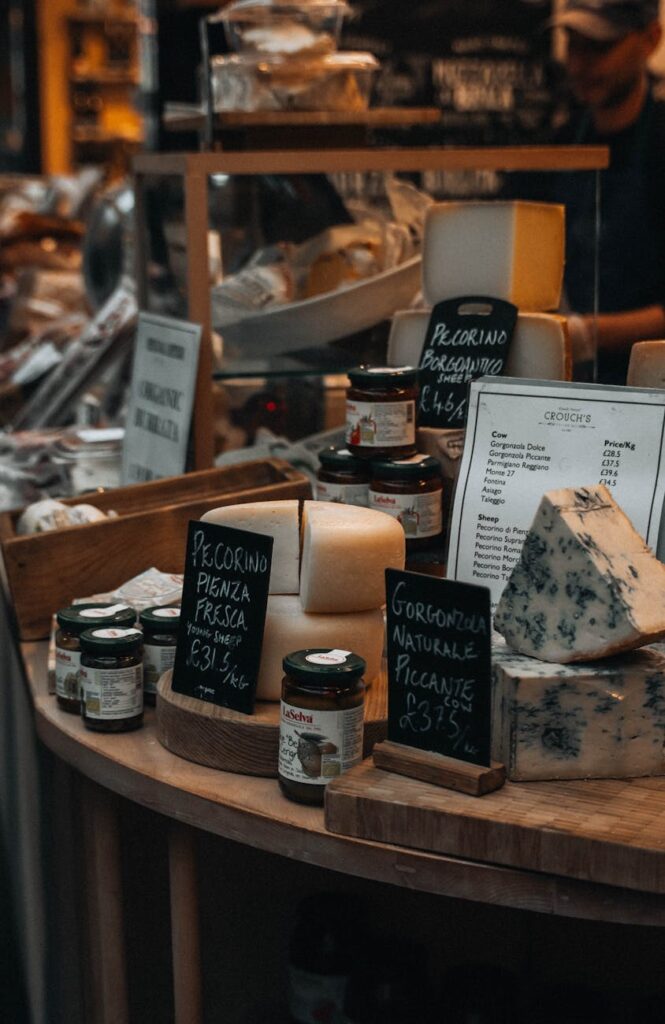
How to Use Pecorino Cheese Properly
Introduction
Pecorino cheese, a celebrated Italian staple, has captured the palates of food enthusiasts around the world. Known for its robust flavor and versatility, this sheep’s milk cheese offers an array of culinary applications that span from traditional dishes to modern gastronomy. Understanding how to use Pecorino cheese properly enhances not only the dining experience but also showcases the rich culinary heritage behind this beloved ingredient.
What Is Uses?
In the context of culinary ingredients, “uses” refers to the various ways an ingredient can be incorporated into dishes, enhancing flavor, texture, and nutritional value. For Pecorino cheese, its uses extend beyond mere seasoning; it plays a pivotal role in traditional recipes, serves as an elegant garnish, and can even be a central component in cheese boards. The versatility of Pecorino, coupled with its distinct characteristics, makes it an essential ingredient in both everyday cooking and gourmet presentations.
History and Origins
Pecorino cheese boasts a storied history that dates back over 2,000 years. Originating in Italy, the name “Pecorino” is derived from the Italian word “pecora,” meaning sheep. The cheese has its roots in the pastoral traditions of shepherds, particularly in regions such as Lazio, Tuscany, and Sardinia. Historically, Pecorino was used as a source of sustenance for nomadic shepherds, providing essential nutrients during long journeys.
The cheese has evolved over the centuries, with different varieties emerging based on regional production methods and aging processes. Pecorino Romano, for instance, is one of the most famous types, recognized for its sharp flavor and crumbly texture. Today, Pecorino cheese continues to be a cherished ingredient in Italian cuisine and has gained international acclaim, making its way into kitchens far beyond its homeland.
Production and Processing
The production of Pecorino cheese involves a meticulous process that begins with the careful selection of high-quality sheep’s milk. The milk is typically sourced from specific breeds of sheep, such as the Sarda or Comisana, which are known for producing rich and flavorful milk.
The initial step in cheese-making involves heating the milk and adding rennet and cultures to initiate coagulation. Once curds form, they are cut, drained, and pressed into molds. The curds are then salted, which not only enhances flavor but also acts as a preservative.
Aging is a crucial phase in the production of Pecorino cheese. Depending on the desired flavor profile, the cheese can be aged for a few months to several years. Younger Pecorino tends to be milder and creamier, while aged varieties develop a sharper, more complex taste and a firmer texture.
Quality and Grading
The quality of Pecorino cheese is determined by several factors, including the quality of the milk, the production methods, and the aging process. Authentic Pecorino must adhere to strict regulations, especially if it is to be labeled as “Pecorino Romano.” This designation requires the cheese to be produced in specific regions of Italy, using traditional methods and ingredients.
Grading systems for Pecorino cheese can vary, but they typically consider factors such as flavor, aroma, texture, and appearance. A well-made Pecorino cheese will exhibit a balance of sharpness and creaminess, with a pleasant aroma that reflects its aging process.
Buying Considerations
When purchasing Pecorino cheese, several factors should be taken into account to ensure quality and authenticity.
1. Type: Familiarize yourself with the different varieties of Pecorino, such as Pecorino Romano, Pecorino Sardo, and Pecorino Toscano. Each type has its own unique flavor profile and intended uses.
2. Origin: Look for labels that specify the cheese’s origin. Authentic Pecorino should be sourced from Italy, particularly the designated regions.
3. Texture: Inspect the cheese’s texture. Fresh Pecorino should feel moist and slightly crumbly, while aged versions will be firmer and drier.
4. Packaging: Ensure the cheese is well-packaged to prevent spoilage. Vacuum-sealed or waxed options can extend shelf life.
5. Aging Date: Check for an aging date on the label to gauge the cheese’s flavor intensity.
6. Flavor Profile: Consider the intended use. If you’re looking for a sharp cheese for grating, an aged variety would be ideal, while a younger Pecorino might be better suited for cheese platters.
Uses and Applications
Pecorino cheese is remarkably versatile, finding its way into various culinary applications. Here are some of the most common uses:
Grating
One of the most popular ways to use Pecorino cheese is by grating it over pasta dishes, soups, or salads. Its robust flavor enhances the overall taste, making it a preferred choice for traditional Italian recipes like Cacio e Pepe.
Cooking
Pecorino can be used in various cooked dishes, where its melting properties come into play. It can be incorporated into risottos, sauces, or baked dishes, providing a rich and savory depth.
Cheese Boards
As a table centerpiece, Pecorino adds a distinctive flair to cheese boards. Pair it with fruits, nuts, and honey for a delightful contrast in flavors.
Snacks
Pecorino can be enjoyed on its own as a snack. Thin slices or shards of aged Pecorino make for an excellent accompaniment to wine, particularly robust reds.
Salads
Grated or shaved Pecorino adds a salty, umami kick to salads, balancing out fresh greens and vegetables.
Garnish
Its bold flavor makes Pecorino an excellent garnish for various dishes, enhancing both presentation and taste.
Storage and Shelf Life
Proper storage is essential for maintaining the quality of Pecorino cheese. Here are some guidelines:
1. Refrigeration: Store Pecorino cheese in the refrigerator, ideally wrapped in parchment paper or wax paper to allow the cheese to breathe while keeping it from drying out.
2. Sealed Container: For longer storage, place the wrapped cheese in an airtight container. This prevents exposure to air and moisture, which can affect flavor and texture.
3. Freezing: While not ideal, Pecorino can be frozen for extended storage. Grate it before freezing for convenience, but be aware that freezing may alter its texture.
4. Shelf Life: Unopened Pecorino can last for several months in the refrigerator, while opened cheese should be consumed within a few weeks for optimal flavor.
Common Misconceptions
Despite its popularity, there are several misconceptions regarding Pecorino cheese:
1. All Pecorino is the Same: Not all Pecorino cheeses are created equal. Different varieties have distinct flavors and textures based on their region of production and aging process.
2. Only for Italian Dishes: While it is a staple in Italian cuisine, Pecorino can enhance a wide range of global dishes, from salads to gourmet sandwiches.
3. Pecorino is Too Salty: The saltiness of Pecorino can vary based on the aging process. Aged varieties may taste saltier, while fresher versions are milder.
4. Pecorino and Parmesan are Interchangeable: While they can be used similarly, Pecorino has a more pronounced flavor than Parmesan, making it unsuitable as a direct substitute in some recipes.
Frequently Asked Questions
1. What is the difference between Pecorino Romano and Pecorino Toscano?
Pecorino Romano is known for its sharp, salty flavor and is often used in grating, while Pecorino Toscano is milder and creamier, making it suitable for slicing and serving on cheese boards.
2. Can Pecorino cheese be eaten raw?
Yes, Pecorino cheese can be enjoyed raw. It is often served as part of a cheese platter or shaved over salads.
3. What wines pair well with Pecorino cheese?
Robust red wines, such as Chianti or Barolo, complement the sharp flavors of Pecorino, while white wines like Verdicchio can also pair nicely.
4. How do I know if Pecorino cheese is fresh?
Fresh Pecorino cheese should have a moist, slightly crumbly texture and a pleasant aroma. If it appears dry or has an off smell, it may not be fresh.
5. Is Pecorino cheese lactose-free?
Pecorino cheese is made from sheep’s milk and contains lower levels of lactose than cow’s milk cheeses, but it is not completely lactose-free. Individuals with lactose intolerance should exercise caution.
6. What is the best way to serve Pecorino cheese?
Pecorino cheese can be served in various ways: grated over pasta, sliced for cheese boards, or shaved into salads. Its versatility makes it suitable for both casual and formal dining settings.
—
Pecorino cheese is not merely an ingredient; it is a reflection of Italy’s rich culinary tradition and a testament to the art of cheese-making. Understanding how to use Pecorino cheese properly opens up a world of flavors and culinary possibilities, inviting both novice cooks and seasoned chefs to explore the depth of this remarkable cheese.