
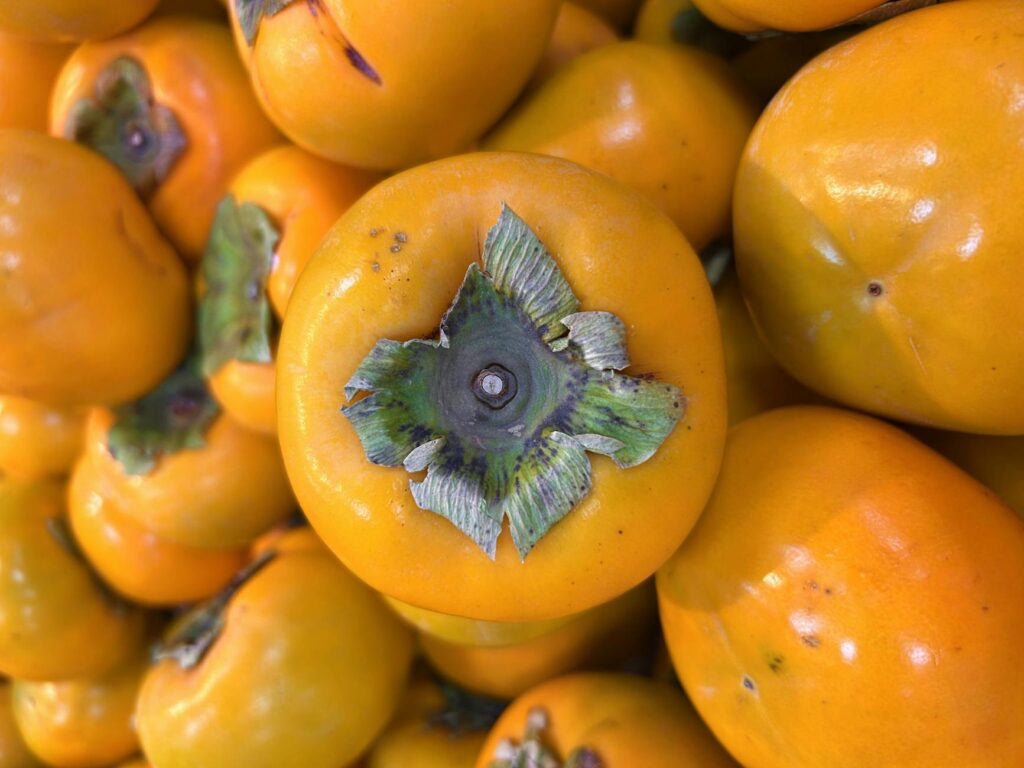
How to Use Persimmons Properly
Introduction
Persimmons, with their vibrant hues and unique flavor profile, are a delightful addition to culinary endeavors around the globe. This article delves into the various facets of persimmons, exploring their uses, history, production, and storage, while debunking common myths associated with this versatile fruit. By understanding how to use persimmons properly, you can maximize their potential in your kitchen and elevate your culinary creations.
What Is Uses?
The term “uses” refers to the various applications and methods through which an ingredient can be utilized in cooking, baking, and food preparation. In the context of persimmons, this can encompass a range of applications, from fresh consumption to incorporation in savory and sweet dishes. Understanding the myriad uses of persimmons allows chefs, home cooks, and food enthusiasts to appreciate their versatility and to integrate them thoughtfully into their culinary repertoire.
History and Origins
Persimmons belong to the genus Diospyros, which includes over 700 species. The two most commonly cultivated varieties are the Asian persimmon (Diospyros kaki) and the American persimmon (Diospyros virginiana).
The Asian persimmon, native to East Asia, has a rich history that dates back over 2,000 years. It was first cultivated in China and later spread to Korea and Japan, where it became an integral part of the local cuisine and culture. The American persimmon, on the other hand, is indigenous to the eastern United States. Historically, Native Americans valued this fruit for its nutritional benefits and used it in various traditional dishes.
Over the centuries, persimmons have gained international acclaim for their unique taste and texture, becoming popular in both Asian and Western culinary traditions.
Production and Processing
Persimmons thrive in temperate climates and are primarily cultivated in regions such as East Asia, California, and the Mediterranean. The fruit is typically harvested in the fall when it reaches its peak ripeness.
Processing methods vary depending on the intended use of the fruit. Fresh persimmons can be eaten raw, while others may be dried or preserved. Dried persimmons, especially popular in Asian cuisines, undergo a careful drying process to concentrate their flavors and extend shelf life. This method enhances their sweetness and makes them a versatile ingredient in both sweet and savory dishes.
To ensure quality, persimmons are often sorted based on size, color, and firmness, with the latter indicating ripeness. The post-harvest handling is crucial, as persimmons are delicate and can bruise easily.
Quality and Grading
Quality grading of persimmons is vital for consumers and producers alike. The key factors in assessing the quality of persimmons include:
- Color: A vibrant orange or yellow hue is desirable. Green persimmons are not ripe and may be astringent.
- Firmness: Depending on the variety, firmness can indicate ripeness. Asian persimmons are often consumed when firm, while American persimmons are best when soft.
- Surface Quality: Look for fruits free of blemishes, bruises, or signs of decay.
- Room Temperature: Unripe persimmons can be stored at room temperature until they ripen. Keep them away from direct sunlight.
- Refrigeration: Once ripe, persimmons should be refrigerated to extend their shelf life. They can last for up to one week in the refrigerator.
- Freezing: For longer storage, persimmons can be peeled,
Understanding these grading criteria helps consumers select the best persimmons for their culinary applications, ensuring a delightful experience.
Buying Considerations
When purchasing persimmons, consider the following factors to ensure you select the best quality fruit:
1. Variety: Familiarize yourself with the two main types: Fuyu (firm and sweet) and Hachiya (soft and sweet when fully ripe).
2. Ripeness: For Fuyu, choose firm fruits; for Hachiya, look for those that yield slightly to pressure.
3. Seasonality: Persimmons are typically in season from late summer to early winter, so plan your purchases accordingly.
4. Source: Purchasing from local farmers’ markets or reputable grocery stores can enhance the quality and freshness of your persimmons.
Uses and Applications
Persimmons are incredibly versatile and can be used in a variety of culinary applications:
Fresh Consumption
Persimmons can be enjoyed raw, sliced, or diced, adding a sweet flavor and a pleasing texture to salads, charcuterie boards, and fruit platters. Their vibrant color also enhances visual appeal.
Baking and Cooking
In baking, persimmons can be incorporated into muffins, breads, and cakes, providing moisture and natural sweetness. Their unique flavor pairs well with spices like cinnamon and nutmeg, adding warmth to baked goods.
In savory dishes, persimmons can be roasted, grilled, or sautéed. Their sweetness balances well with salty or spicy ingredients, making them an excellent addition to salads, grain bowls, and meat dishes.
Preserves and Condiments
Persimmons can be made into jams, jellies, or sauces, providing a delicious accompaniment to various dishes. Their natural sweetness means less added sugar is often required, making them a healthier alternative in preserves.
Dried and Dehydrated Forms
Dried persimmons are a popular snack and can be used as an ingredient in trail mixes, granola, or as a topping for yogurt. Dried persimmons retain much of their flavor and nutritional value, making them a convenient pantry staple.
Beverages
Persimmons can also be used in smoothies, juices, or cocktails, adding a unique flavor and vibrant color. Their natural sweetness can reduce the need for added sugars in beverages.
Storage and Shelf Life
Proper storage of persimmons is essential to maintain their quality and flavor. Here are some guidelines for storage: