
How to Use Romanesco Properly
Introduction
Romanesco is a striking and unique vegetable that captivates both chefs and home cooks alike. With its fractal patterns and vibrant green hue, it is not only visually stunning but also versatile in culinary applications. This article aims to provide a comprehensive guide on the uses of Romanesco, covering everything from its history and origins to proper storage techniques and common misconceptions.
What Is Romanesco?
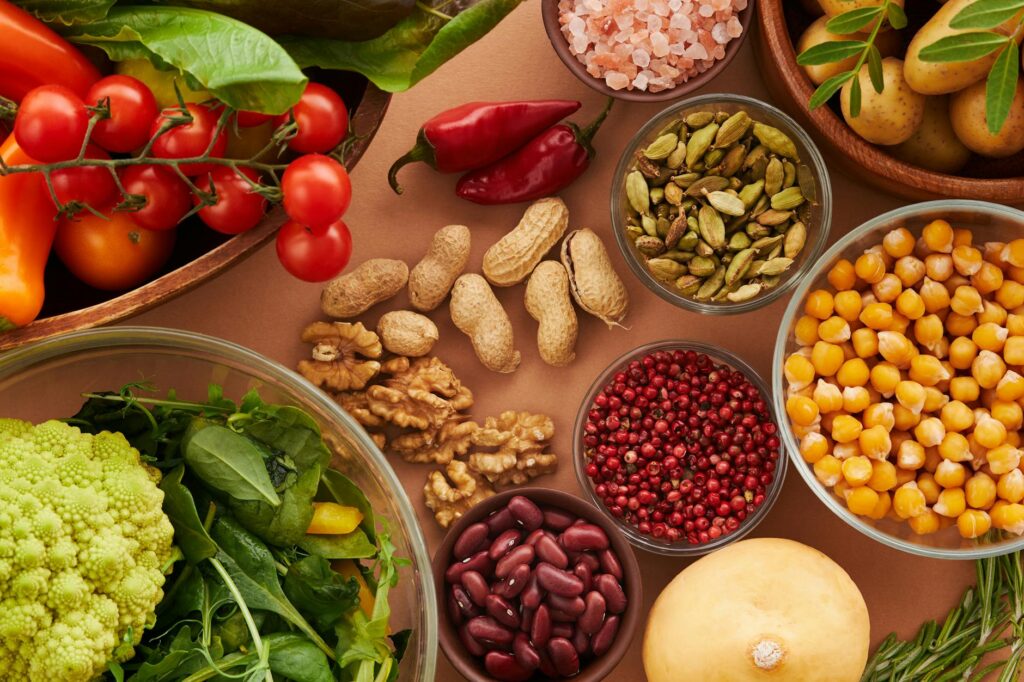
Romanesco, scientifically known as Brassica oleracea var. italica, is a member of the brassica family, which also includes broccoli, cauliflower, and cabbage. Distinguished by its spiral, fractal-like structure, Romanesco has a flavor profile that lies somewhere between broccoli and cauliflower, with a slightly nuttier and earthier taste. Typically available in the fall and winter months, it is celebrated not only for its aesthetic appeal but also for its nutritional benefits, being rich in vitamins C and K, fiber, and various antioxidants.
History and Origins
Romanesco has a storied history that dates back to the 16th century in Italy, specifically in the Lazio region. Its unique appearance and flavor quickly garnered attention, leading to its cultivation in various parts of Europe. The name “Romanesco” is derived from its origin, with “Roma” referring to Rome. Initially, it was primarily grown in Italy, but its popularity has spread globally, with cultivation now occurring in countries like the United States, Spain, and the United Kingdom. Romanesco’s rise in culinary prominence is indicative of a broader trend toward embracing unique and visually appealing vegetables in modern cuisine.
Production and Processing
The cultivation of Romanesco requires specific climatic conditions, thriving best in cooler temperatures. It is typically planted in late spring and harvested in late summer to early winter. The plant requires well-drained soil rich in nutrients, and its growth period usually spans 80 to 90 days. Sustainable farming practices are increasingly being adopted in Romanesco production to minimize environmental impact.
Once harvested, Romanesco undergoes minimal processing. It is often sold fresh, but can also be found frozen or preserved in various forms. The processing of Romanesco requires careful handling to maintain its intricate structure and prevent damage, thereby ensuring that it retains its visual appeal and flavor during transportation and storage.
Quality and Grading
When selecting Romanesco, it is crucial to understand the indicators of quality. High-quality Romanesco will exhibit a vibrant green color and tightly packed florets. The texture should be firm, with no signs of wilting or browning. The size of Romanesco can vary, but it is generally best to choose medium-sized heads, as they tend to be more tender and flavorful.
Grading standards for Romanesco can vary by region, but generally, it is classified into three categories: U.S. Fancy, U.S. No. 1, and U.S. No. 2. U.S. Fancy is the highest grade and indicates superior quality, while U.S. No. 1 and U.S. No. 2 are lower grades that may have some imperfections.
Buying Considerations
When purchasing Romanesco, consider the following aspects to ensure you select the best quality:
1. Seasonality: Romanesco is typically in season from late summer through early winter. Buying in season ensures better flavor and freshness.
2. Local vs. Imported: Whenever possible, opt for locally sourced Romanesco. This not only supports local farmers but also typically results in fresher produce.
3. Organic Certification: If you prefer organic produce, look for certified organic Romanesco. This guarantees that it was grown without synthetic pesticides and fertilizers.
4. Storage Conditions: Ensure the Romanesco is stored in cool, well-ventilated areas. Avoid buying heads that have been exposed to direct sunlight or heat, as this can compromise their quality.
Uses and Applications
Romanesco can be used in a variety of culinary applications, making it a versatile ingredient in both home and professional kitchens. Here are some common uses:
1. Raw Consumption
Romanesco can be enjoyed raw, making it an excellent addition to crudité platters. Its unique texture and flavor pair well with dips like hummus or ranch dressing. When served raw, it retains its crunchy texture and vibrant color, making it visually appealing.
2. Steaming
Steaming is a popular method for cooking Romanesco, as it helps preserve its nutritional content and vibrant color. Steamed Romanesco can be served as a side dish or added to salads for an extra crunch.
3. Roasting
Roasting Romanesco enhances its nutty flavor and creates a caramelized exterior while keeping the interior tender. Tossed with olive oil, salt, and spices, roasted Romanesco can serve as a delicious side dish or a flavorful addition to grain bowls.
4. Soups and Purees
Romanesco can be blended into soups and purees, adding a creamy texture and unique flavor. When cooked and pureed, it can serve as a base for various soups, providing depth and richness.
5. Pasta Dishes
Incorporating Romanesco into pasta dishes adds not only flavor but also visual appeal. Whether sautéed with garlic and olive oil or mixed into a creamy sauce, it pairs beautifully with a range of pasta types.
6. Stir-Fries
Romanesco can be included in stir-fries, where its structure holds up well against high heat. Combined with other vegetables and proteins, it adds a delightful crunch and flavor.
Storage and Shelf Life
Proper storage is essential to maintaining the quality and flavor of Romanesco. Here are some guidelines:
- Refrigeration: Store Romanesco in a perforated plastic bag in the crisper drawer of the refrigerator. This helps maintain humidity while allowing for airflow.
- Shelf Life: Fresh Romanesco can last up to a week when stored properly. However, its quality may begin to decline after a few days, so it is best consumed sooner rather than later.
- Freezing: If you have excess Romanesco, consider blanching and freezing it. Blanching helps preserve its color and nutritional content before freezing.
Common Misconceptions
1. Romanesco is Just Broccoli
While Romanesco shares similarities with broccoli, it is distinct in flavor and appearance. Its unique fractal shape and nuttier taste set it apart from other brassicas.
2. Romanesco is Difficult to Prepare
Although its appearance may suggest complexity, Romanesco is relatively easy to prepare. It can be cooked using various methods, including steaming, roasting, and even raw consumption.
3. Romanesco is Only a Decorative Ingredient
While its stunning visual appeal makes it a popular choice for garnishes, Romanesco is a versatile vegetable that can be used in a variety of dishes, offering both flavor and nutrition.
Frequently Asked Questions
1. Is Romanesco a hybrid vegetable?
No, Romanesco is a cultivar of the species Brassica oleracea, the same species that includes broccoli and cauliflower. It is not a hybrid but rather a distinct variety.
2. How do you choose the best Romanesco?
Look for heads that are tightly packed, vibrant green, and firm to the touch. Avoid any heads with browning or wilting.
3. Can I eat the leaves of Romanesco?
Yes, the leaves of Romanesco are edible and can be cooked similarly to collard greens or kale. They offer a similar flavor profile and can add nutritional value to dishes.
4. What is the best way to cook Romanesco?
The best cooking method depends on your preference. Steaming preserves its nutrients, while roasting enhances its flavor. Experimenting with various methods can yield delightful results.
5. How can I incorporate Romanesco into my diet?
Romanesco can be enjoyed in numerous ways: raw in salads, steamed as a side, roasted, or even blended into soups. Its versatility allows for easy incorporation into various dishes.
6. Can Romanesco be grown at home?
Yes, Romanesco can be grown at home in vegetable gardens or containers. It requires cool temperatures and well-drained soil, making it suitable for many home gardening setups.
Conclusion
Romanesco is more than just a visually stunning vegetable; it is a versatile ingredient that can elevate a variety of dishes. Understanding its history, production methods, and proper storage techniques can enhance your culinary experience with this unique brassica. Whether you are a seasoned chef or an enthusiastic home cook, Romanesco offers exciting opportunities for creativity in the kitchen. Embrace its intricate beauty and delightful flavor, and explore the many ways it can enrich your meals.