
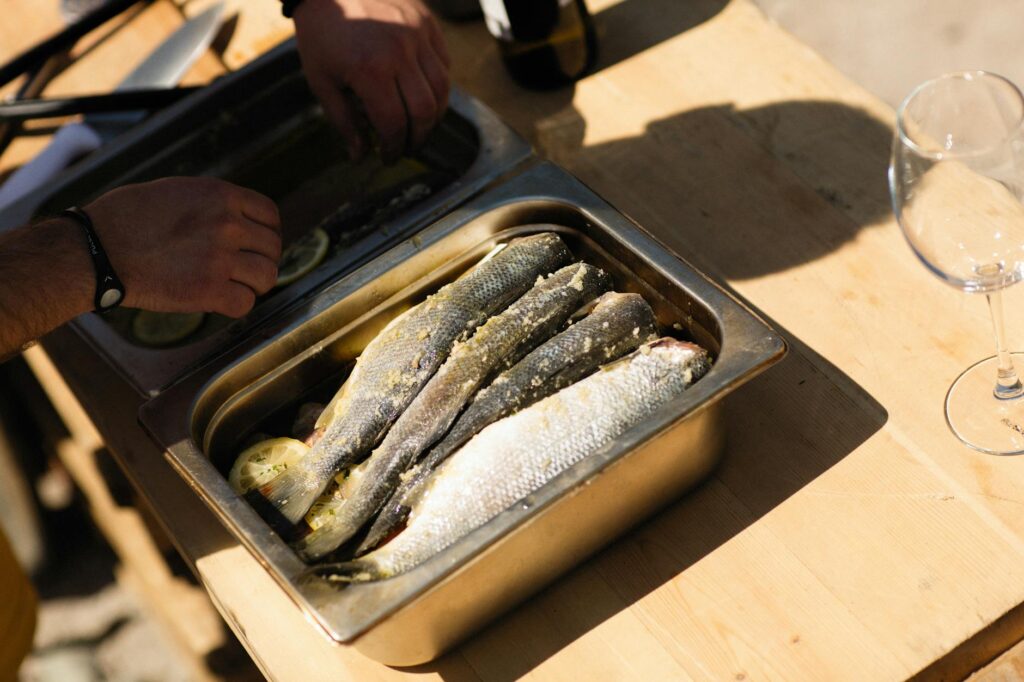
How to Use Sea Bass Properly
Introduction
Sea bass, a prized fish among culinary enthusiasts, boasts a delicate flavor and firm texture that make it a versatile ingredient in many dishes. Its subtle sweetness and mild richness have earned it a place in gourmet restaurants and home kitchens alike. This article will explore the various aspects of using sea bass, from its historical significance to proper storage techniques, ensuring that you can appreciate and utilize this exquisite fish to its fullest potential.
What Is Sea Bass?
Sea bass refers to several species of fish that belong to the family Moronidae and the subfamily Serranidae. The term is often applied to various types of bass, including European sea bass (Dicentrarchus labrax) and Chilean sea bass (Dissostichus eleginoides), each offering distinct flavors and textures. While they share similarities, the differences between species can influence their culinary applications.
History and Origins
The culinary history of sea bass dates back to ancient civilizations, where it was a staple in Mediterranean diets. Historical records suggest that the Greeks and Romans considered sea bass a delicacy, often reserving it for special occasions. The European sea bass, in particular, has been a significant part of the coastal fishing industries in Europe for centuries.
Chilean sea bass, on the other hand, gained prominence in the late 20th century due to its rich flavor and flaky texture. Overfishing and environmental concerns have since led to stricter regulations on its capture, pushing chefs to seek more sustainable options while still celebrating the fish’s unique qualities.
Production and Processing
The production of sea bass can occur through both wild capture and aquaculture. Wild-caught sea bass is typically harvested from the ocean, while farmed varieties are cultivated in controlled environments, allowing for greater consistency in quality and flavor.
Wild-Caught Sea Bass: Often regarded as superior in flavor, wild-caught sea bass is typically caught using traditional fishing methods. The fishing seasons and methods can significantly affect the overall quality of the fish.
Farmed Sea Bass: Farmed varieties have gained popularity due to their availability and sustainability. Advances in aquaculture practices have led to improvements in fish health and environmental impact. Consumers are encouraged to check for certifications regarding sustainable farming practices when purchasing farmed sea bass.
Processing is crucial for preserving the quality of sea bass. Fish should be gutted and cleaned promptly after capture. Proper handling and storage are essential to prevent spoilage. After processing, sea bass may be sold whole, filleted, or portioned, allowing for various culinary applications.
Quality and Grading
When selecting sea bass, understanding quality indicators is vital. Freshness is paramount; the fish should have bright, clear eyes, shiny skin, and a mild oceanic aroma. The flesh should be firm and resilient to pressure, indicating freshness.
Grading standards may vary by region, but generally, sea bass can be classified as follows:
- Grade A: Typically the highest quality, featuring minimal blemishes and superior freshness.
- Grade B: May have some minor imperfections, but still offers good quality for general use.
- Grade C: Often used for processed products and may not meet the standards for fresh presentation.
- Herbs: Dill, parsley, and basil accentuate its flavor without overpowering it.
- Citrus: Lemon and lime add brightness to the dish, balancing the richness of the fish.
- Vegetables: Root vegetables, asparagus, and leafy greens complement the dish’s texture and flavor.
- Sauces and Marinades: Light sauces, such as beurre blanc or vinaigrettes, enhance the dish without overwhelming the natural flavors of the fish.
Purchasing from reputable suppliers and checking for sustainability certifications can enhance the likelihood of obtaining high-quality sea bass.
Buying Considerations
When buying sea bass, consider the following factors:
1. Source: Opt for sustainable sources, whether wild-caught or farmed. Look for certifications from organizations such as the Marine Stewardship Council (MSC) or the Aquaculture Stewardship Council (ASC).
2. Freshness: Always inspect the fish for signs of freshness, including appearance, smell, and texture.
3. Seasonality: Be aware of seasonal availability in your region. Eating fish during its peak season ensures better flavor and sustainability.
4. Preparation Method: Consider how you plan to use the fish. Whole fish may be suitable for grilling or roasting, while fillets are ideal for sautéing or poaching.
5. Price: Sea bass can vary in price based on availability and quality. Budgeting accordingly can help in selecting the best option for your culinary needs.
Uses and Applications
Sea bass is a versatile ingredient that lends itself to various cooking methods and culinary traditions. Its mild flavor allows it to absorb seasonings and marinades effectively, making it suitable for diverse cuisines.
Cooking Methods
1. Grilling: Whole sea bass can be grilled, imparting a smoky flavor that enhances its natural sweetness. Fillets can also be grilled, but they require careful attention to prevent sticking.
2. Baking: Baking sea bass in the oven allows for even cooking. A simple seasoning of herbs and lemon can elevate its flavor profile.
3. Sautéing: Fillets are excellent for sautéing, providing a quick cooking method that maintains moisture and tenderness.
4. Poaching: This gentle cooking method is ideal for preserving the fish’s delicate texture. Poaching sea bass in broth or wine can infuse it with rich flavors.
5. Raw Preparations: In some cultures, sea bass is enjoyed raw, such as in sushi or ceviche, where its freshness is paramount.
Pairings
Sea bass pairs well with a variety of ingredients, including:
Cultural Uses
In Mediterranean cuisine, sea bass is often prepared simply, showcasing its quality. In Asian cuisines, it may be steamed or served in spicy broths, highlighting the versatility of this ingredient.
Storage and Shelf Life
Proper storage of sea bass is crucial for maintaining its quality. Fresh sea bass should be stored in the coldest part of the refrigerator, ideally at a temperature below 40°F (4°C). It is best consumed within two days of purchase for optimal freshness.
Freezing
If not consumed promptly, sea bass can be frozen for later use. Wrap it tightly in plastic wrap or aluminum foil and place it in an airtight container or freezer bag. Properly frozen sea bass can last for up to six months, although flavor and texture may start to diminish over time.
Thawing
When ready to use frozen sea bass, thaw it in the refrigerator overnight or under cold running water. Avoid thawing at room temperature, as this can promote bacterial growth.
Common Misconceptions
1. All Sea Bass is the Same: Different species of sea bass have unique flavors and textures. Understanding these differences is essential for appropriate culinary applications.
2. Sea Bass is Always Wild-Caught: While wild-caught sea bass is often considered superior, farmed varieties can also offer excellent quality and sustainability when sourced responsibly.
3. Cooking Sea Bass is Complicated: In reality, sea bass is a user-friendly ingredient that can be prepared using various straightforward cooking methods.
4. Fresh Fish is Always Better: While fresh is generally preferred, high-quality frozen sea bass can still be excellent when handled properly.
Frequently Asked Questions
1. What is the best way to cook sea bass?
Grilling, baking, and sautéing are all excellent methods for preparing sea bass. The best method depends on personal preference and the specific cut of the fish.
2. How can I tell if sea bass is fresh?
Look for clear eyes, shiny skin, and firm flesh. Fresh sea bass should have a mild ocean aroma, without any off-putting smells.
3. Is Chilean sea bass sustainable?
Sustainability varies depending on the fishing practices used. Seek out certifications from trusted organizations to ensure the fish is sourced responsibly.
4. Can I substitute sea bass in recipes?
Yes, sea bass can often be substituted with other firm, white fish, such as snapper or cod, though flavor profiles may differ.
5. How should I store leftover sea bass?
Leftover cooked sea bass should be stored in an airtight container in the refrigerator and consumed within three days for optimal freshness.
6. Is it safe to eat sea bass raw?
As long as it is fresh and sourced from a reputable supplier, sea bass can be safely consumed raw in dishes like sushi or ceviche.
In conclusion, sea bass is a versatile and delicious ingredient that can elevate any culinary experience. By understanding its history, production, and proper usage, you can make informed choices and enjoy this exquisite fish in your kitchen.