
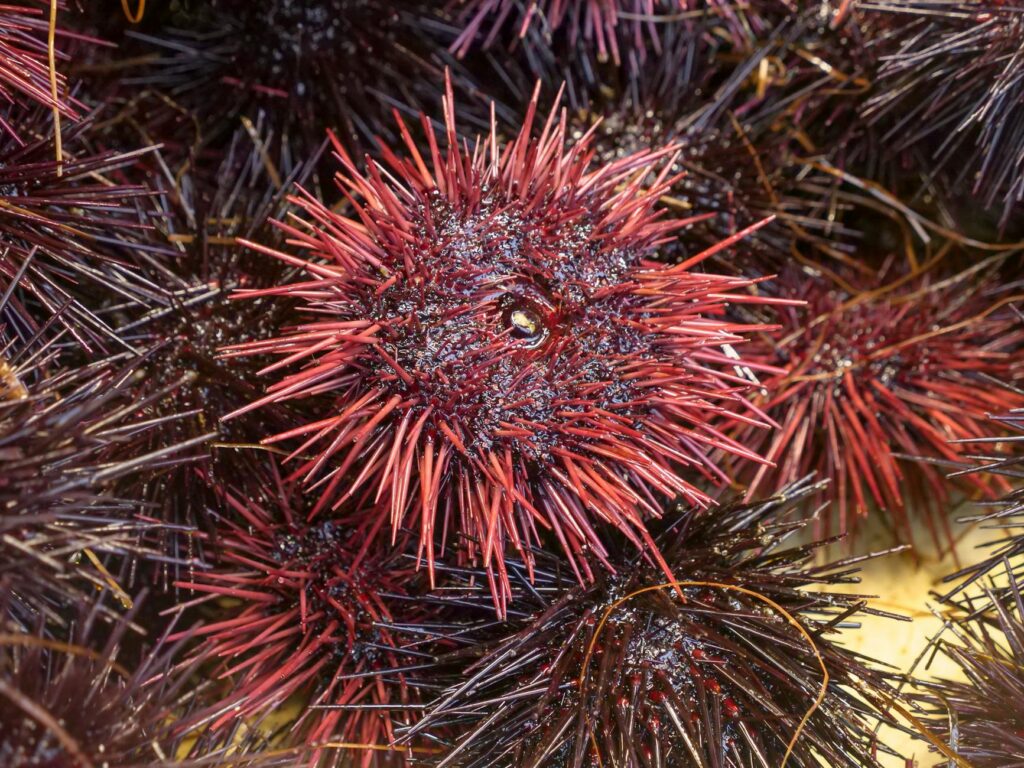
How to Use Sea Urchin Properly
Introduction
Sea urchin, a spiny marine creature found in oceans worldwide, has gained significant attention in culinary circles for its unique flavor and texture. Often regarded as a delicacy, particularly in Japanese cuisine, sea urchin offers a rich, briny taste that enhances a variety of dishes. This article delves into the multifaceted uses of sea urchin, providing insights into its history, production, quality, and more, ultimately guiding enthusiasts and chefs alike on how to utilize this intriguing ingredient properly.
What Is Sea Urchin?
Sea urchins belong to the class Echinoidea within the phylum Echinodermata. They are characterized by their spherical bodies covered in spines, which serve as a defense mechanism against predators. The edible part of the sea urchin, known as the gonads or uni, is prized for its creamy, custard-like texture and oceanic flavor. While various species exist, the most commonly consumed are the Japanese (Hokkaido) sea urchin and the red sea urchin.
History and Origins
The consumption of sea urchin dates back centuries, with evidence of its culinary use in ancient cultures, particularly in Japan. Historical records indicate that sea urchin has been a part of Japanese cuisine for over a thousand years, often served in sushi and sashimi. The delicacy has gradually gained international popularity, with chefs across the globe incorporating it into various culinary traditions. Today, sea urchin is celebrated not only in Japan but also in Mediterranean and coastal cuisines, where it is admired for its rich umami flavor.
Production and Processing
Sea urchin harvesting is a meticulous process that involves diving or using specialized equipment to collect them from rocky ocean floors. The harvesting season varies by region and species, often dictated by environmental factors to ensure sustainability. Once collected, sea urchins are typically processed on-site to maintain freshness. This involves carefully opening the shell to extract the gonads, which are then rinsed and packed for distribution.
The processing method can significantly affect the flavor and quality of the uni. Some producers opt for flash freezing to preserve freshness, while others may sell it fresh, requiring prompt consumption to avoid spoilage. Sustainable harvesting practices are increasingly emphasized to protect sea urchin populations and their ecosystems.
Quality and Grading
The quality of sea urchin is determined by various factors, including color, texture, and flavor. High-quality uni tends to have a vibrant color, ranging from golden yellow to deep orange, with a creamy consistency. Grading systems may vary between regions, but generally, sea urchin is categorized into grades such as A, B, and C, with Grade A being the highest quality.
When evaluating sea urchin, consider the following aspects:
- Color: A rich, bright hue often indicates freshness and quality.
- Texture: High-quality uni should be smooth and creamy, without any graininess.
- Flavor: The taste should be rich and briny, with a hint of sweetness, typical of fresh sea urchin.
- Sushi and Sashimi: In Japanese cuisine, sea urchin is often featured in sushi rolls or served as sashimi. The delicate, creamy texture pairs well with vinegared rice.
- Pasta Dishes: Chefs frequently incorporate sea urchin into pasta sauces, where it adds depth and richness. It can be blended with olive oil and garlic to create a luxurious sauce.
- Seafood Risotto: Sea urchin can enhance the umami profile of risotto, lending a unique flavor that complements other seafood ingredients.
- Seafood Soups: Adding sea urchin to seafood bisques or chowders elevates the dish, imparting a briny richness that enhances the overall flavor.
- Garnish: Its striking color and unique flavor make it an excellent garnish for various dishes, including seafood platters and salads.
- Citrus: The brightness of lemon or yuzu enhances the briny flavor of uni, making it an ideal accompaniment in many dishes.
- Herbs: Fresh herbs, such as chives or dill, can add a complementary freshness that balances the richness of sea urchin.
- Seafood: Other seafood, such as scallops or oysters, can create a harmonious flavor profile when combined with uni.
- Spices: A touch of spice, such as chili flakes or black pepper, can elevate the taste, adding complexity to the dish.
- Fresh Uni: Store fresh sea urchin in the coldest part of your refrigerator, ideally at a temperature of 32°F (0°C). Consume it within one to two days of purchase for the best flavor and texture.
- Frozen Uni: If you have frozen sea urchin, keep it at a steady freezing temperature until ready to use. Once thawed, consume it immediately and do not refreeze.
- Vacuum-Sealed Options: Some producers offer vacuum-sealed sea urchin, which can extend its shelf life. Follow the manufacturer’s guidelines for storage and consumption.
Buying Considerations
When purchasing sea urchin, several factors come into play to ensure you acquire a product of the highest quality:
1. Source: Opt for sea urchins from reputable suppliers who prioritize sustainable harvesting practices. Local fish markets or specialty seafood retailers often provide fresh options.
2. Freshness: If buying fresh uni, check the packaging for a harvest date. Fresh sea urchin should be consumed as soon as possible to enjoy its full flavor profile.
3. Appearance: Inspect the color and texture of the uni. Avoid any that appear dull or overly dry.
4. Frozen vs. Fresh: Both options have their merits. Fresh uni offers a delicate flavor, while frozen can be more convenient and still retains much of its quality if processed correctly.
Uses and Applications
Sea urchin can be used in a myriad of culinary applications, each showcasing its distinctive flavor and texture. Here are some popular uses:
Culinary Applications
Pairings
Sea urchin pairs well with a variety of ingredients:
Storage and Shelf Life
Sea urchin is highly perishable, and proper storage is crucial to maintain its quality. Here are some guidelines:
Common Misconceptions
Sea urchin, despite its popularity, is often subject to misconceptions. Here are a few common ones:
1. It’s Just for Sushi: While sea urchin is popular in sushi, its versatility allows for numerous culinary applications beyond traditional Japanese dishes.
2. It Tastes Fishy: High-quality sea urchin should not taste overly fishy. Instead, it should have a delicate, briny flavor akin to the ocean.
3. Only Certain Types Are Edible: While many sea urchins are edible, not all species are palatable. The most commonly consumed varieties are specifically harvested for their gonads.
4. It’s Expensive for No Reason: The labor-intensive harvesting and processing methods, combined with its short shelf life, contribute to the high cost of sea urchin, reflecting its quality and uniqueness.
Frequently Asked Questions
1. How do I know if sea urchin is fresh?
Look for vibrant color and a creamy texture, and check the harvest date if available. Fresh sea urchin should have a pleasant briny smell, not an off-putting fishy odor.
2. Can I eat sea urchin raw?
Yes, sea urchin is often consumed raw and is a popular choice in sushi and sashimi. Ensure it is sourced from a reputable supplier to ensure safety.
3. How should I prepare sea urchin?
Preparing sea urchin typically involves carefully opening the shell and extracting the gonads. It can be enjoyed raw or incorporated into various dishes.
4. Is it safe to freeze sea urchin?
Yes, freezing sea urchin is a common practice to preserve its freshness. Ensure it is well-packaged to prevent freezer burn and consume it shortly after thawing.
5. What are the best beverages to pair with sea urchin?
Sea urchin pairs well with light, crisp beverages like sake, white wine, or sparkling water. The refreshing qualities of these drinks complement the rich flavor of uni.
6. How do I know which type of sea urchin to buy?
Choose sea urchins based on your preference for flavor and texture. Japanese sea urchins are typically sweeter, while red sea urchins may have a stronger briny taste. Consider purchasing from reputable suppliers who provide information on the source and quality of their product.
Conclusion
Sea urchin is a remarkable ingredient that brings a unique flavor and texture to a variety of dishes. By understanding its history, quality, and proper uses, culinary enthusiasts can appreciate and leverage this delicacy in their cooking. Whether enjoyed in traditional sushi forms or as an innovative component in modern culinary creations, sea urchin continues to captivate palates around the world. With the right knowledge and care, you can fully embrace the rich, oceanic flavors that sea urchin has to offer.