
How to Use Taro Properly
Introduction
Taro, a starchy root vegetable, is cultivated in tropical and subtropical regions around the globe. Known for its nutty flavor and versatility, taro has found its way into various cuisines and culinary applications. This article delves into the proper uses of taro, offering a comprehensive overview of its history, production, quality assessment, and storage, while also addressing common misconceptions and frequently asked questions.
What Is Taro?
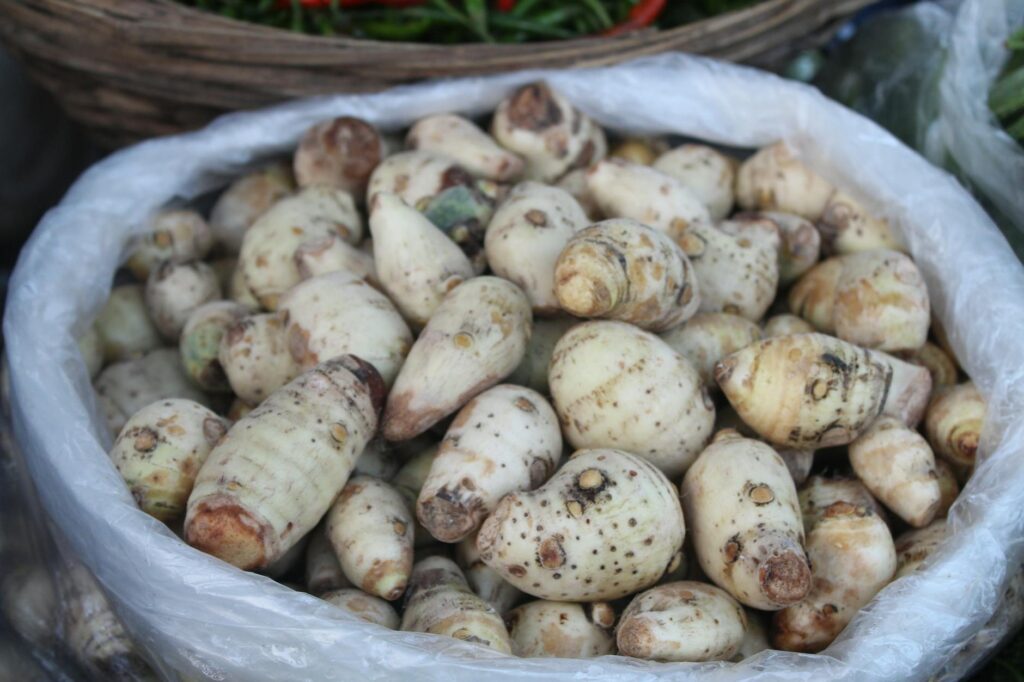
Taro (Colocasia esculenta) is a tuberous root vegetable belonging to the family Araceae. Characterized by its brown, fibrous skin and white or purple-tinged flesh, taro is often confused with other starchy vegetables like yam and sweet potato. It is rich in carbohydrates, dietary fiber, and essential nutrients, making it a staple food in many cultures. In addition, taro leaves are also edible and often used in cooking, although they require proper preparation to eliminate toxins present in raw form.
History and Origins
Taro is believed to have originated in Southeast Asia and has been cultivated for thousands of years. Historical records suggest its domestication dates back to around 1200 BC. It has since spread across the globe, becoming a vital food source in regions such as the Pacific Islands, Africa, and parts of the Caribbean. In Hawaiian cuisine, taro is transformed into poi, a fermented paste that serves as a cultural staple. The introduction of taro to various regions has led to the development of distinct culinary practices and dishes, showcasing its adaptability and significance in different cultures.
Production and Processing
The cultivation of taro thrives in wet, marshy environments, requiring well-drained, humid soil to flourish. It is typically grown in flooded fields, which help prevent weeds and pests. Taro is usually propagated through corms, which are the swollen underground stems. Harvesting occurs approximately 7 to 12 months post-planting, depending on the variety and growing conditions.
Once harvested, taro undergoes a series of processing steps, including washing, peeling, and slicing. Proper handling is crucial, as taro can oxidize and brown quickly after being cut. To enhance its culinary potential, taro is often cooked through boiling, steaming, or baking before consumption, as raw taro contains calcium oxalate, which can cause irritation if ingested.
Quality and Grading
High-quality taro should have firm, unblemished skin, free from dark spots or signs of rot. The flesh should be smooth and moist, with a vibrant color indicative of freshness. When grading taro, factors such as size, shape, and texture are taken into account. Larger, evenly-shaped corms are generally preferred, as they yield more flesh and are easier to prepare.
In commercial settings, taro is often classified into grades based on size and quality, with Grade A being the highest. Purchasing taro from reputable sources ensures not only quality but also the best culinary results.
Buying Considerations
When selecting taro, several factors should be considered to ensure optimal quality and freshness.
1. Appearance: Look for corms that are firm and free from blemishes. Avoid any with signs of sprouting or excessive softness.
2. Size: While size preference can vary, medium to large corms are typically easier to work with and yield more flesh.
3. Source: Purchasing from trusted vendors or local farmers’ markets can offer fresher and more sustainably grown taro.
4. Seasonality: Taro is often available year-round, but its peak season varies by region. Understanding this can help in sourcing the freshest produce.
5. Storage: Consider how you plan to store taro once purchased, as improper storage can lead to spoilage.
Uses and Applications
Taro is a versatile ingredient that can be used across various culinary applications. Below are some notable uses:
Culinary Uses
1. Savory Dishes: Taro is often used in stews, curries, and soups. Its ability to absorb flavors makes it an excellent addition to hearty dishes.
2. Side Dishes: Boiled, mashed, or roasted taro can serve as a flavorful side dish. It pairs well with proteins and vegetables.
3. Desserts: Taro is commonly used in desserts, especially in Asian cuisines. Its natural sweetness makes it a popular choice for cakes, puddings, and ice creams.
4. Taro Flour: Ground taro corms can be transformed into flour, which is gluten-free and can be utilized in baking or as a thickening agent in sauces.
5. Culinary Garnish: Sliced and fried taro can serve as a crunchy garnish for various dishes, adding texture and flavor.
Nutritional Uses
Beyond its culinary versatility, taro also offers nutritional benefits. It is a good source of complex carbohydrates, fiber, and essential vitamins and minerals, including potassium and vitamin E. However, it is vital to ensure that taro is cooked before consumption to neutralize any potential toxins.
Storage and Shelf Life
Taro should be stored in a cool, dry place to prolong its shelf life. When kept in optimal conditions, whole taro corms can last for several weeks. However, once cut, taro should be refrigerated in an airtight container and consumed within a few days to prevent spoilage.
In regions with high humidity, it is advisable to store taro in a well-ventilated area to avoid mold growth. Freezing taro is another option, although it may alter its texture. To freeze, it should be cooked first, then sliced and stored in airtight containers.
Common Misconceptions
Despite its popularity, there are several misconceptions regarding taro:
1. Taro vs.