
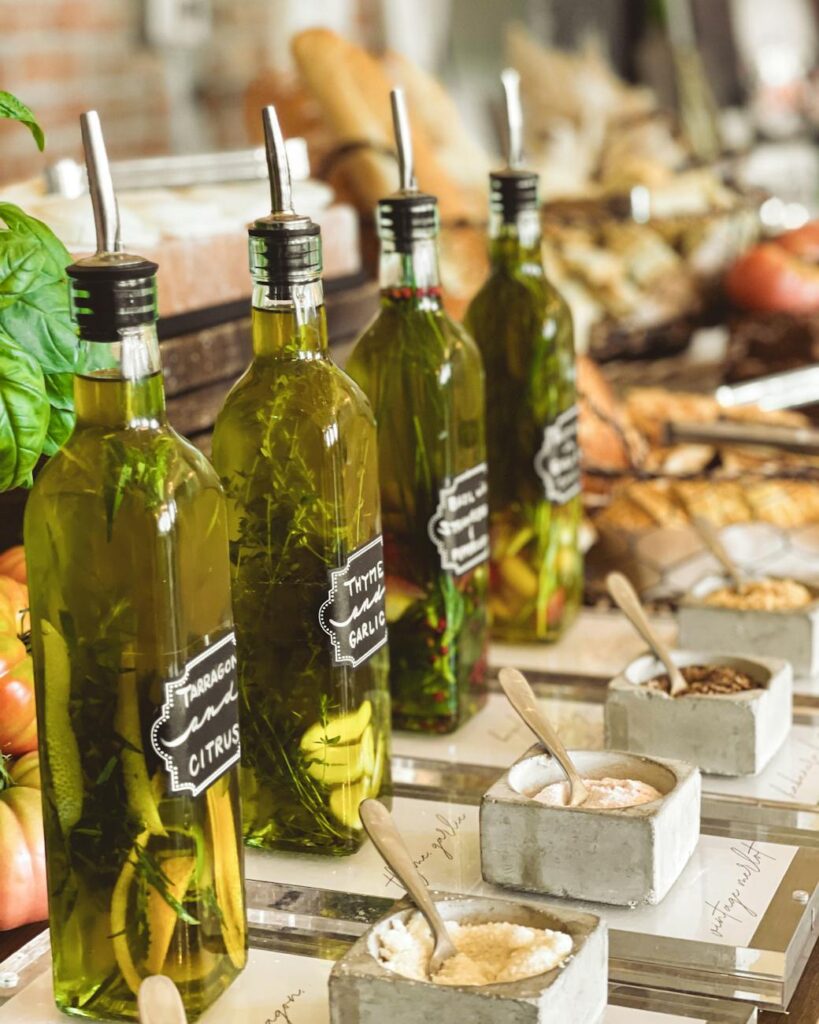
How to Use Tarragon Properly
Introduction
Tarragon, a perennial herb belonging to the sunflower family, is renowned for its aromatic, slightly anise-like flavor. Commonly associated with French cuisine, this herb is increasingly gaining recognition in culinary traditions around the globe. Understanding how to use tarragon properly can elevate a dish, enhancing flavors and aromas that captivate the palate. This article delves into the multifaceted uses of tarragon, exploring its history, production, applications, and more, ensuring that you can harness its full potential in your culinary endeavors.
What Is Uses?
The term “uses” in the context of tarragon refers to the various applications of this herb in cooking, as well as its role in flavoring, garnishing, and even preserving food. Tarragon is not only a culinary herb but also a key ingredient in sauces, marinades, and dressings. Its unique flavor profile can be utilized in a plethora of dishes, making it a versatile component in both savory and sweet preparations.
History and Origins
Tarragon (Artemisia dracunculus) has a rich history that dates back thousands of years. It is believed to have originated in Siberia and gradually spread throughout Europe and Asia. The herb was highly regarded in ancient cultures, including the Egyptians, who used it for culinary and medicinal purposes. In the 16th century, tarragon was introduced to France, where it quickly gained popularity and became a staple in French gastronomy. The French were instrumental in developing various culinary applications for tarragon, notably in sauces like Béarnaise and tart vinaigrettes.
Production and Processing
Tarragon is cultivated in temperate regions around the world, thriving in well-drained soil and abundant sunlight. The herb is typically propagated through cuttings or division of established plants, as it does not produce viable seeds. The leaves are harvested in the summer when the plant is at its peak flavor.
Once harvested, tarragon can be processed in several ways. Fresh tarragon is often used directly in cooking, while dried tarragon is also available for longer shelf life. The drying process should be done carefully to preserve the herb’s characteristic flavor, typically by air-drying or using low-heat techniques. Essential oils extracted from tarragon are used in culinary applications as well as in perfumes and aromatherapy, showcasing the herb’s versatility beyond the kitchen.
Quality and Grading
The quality of tarragon can vary significantly based on factors such as cultivation methods, harvest time, and processing techniques. Fresh tarragon should have vibrant green leaves and a strong, pleasant aroma. When purchasing dried tarragon, it is essential to check for color and fragrance; high-quality dried tarragon should retain a greenish hue and a potent scent.
Grading standards for tarragon are not universally established but can include factors such as leaf size, moisture content, and flavor intensity. Quality tarragon is typically free from contaminants, including dust and foreign matter. For culinary purposes, purchasing from reputable suppliers or growers is advisable to ensure that you receive high-quality product.
Buying Considerations
When buying tarragon, consider the following factors:
1. Fresh vs. Dried: Fresh tarragon has a more intense flavor compared to dried. If a recipe calls for fresh, it’s best to adhere to that unless a substitution is necessary.
2. Varietal Differences: French tarragon (Artemisia dracunculus var. sativa) is the most commonly used variety in cooking due to its superior flavor profile. Russian tarragon (Artemisia dracunculus var. inodora) is often less desirable as it has a milder flavor.
3. Organic Certification: Opting for organic tarragon can ensure that it is free from pesticides and synthetic fertilizers, which is especially important for those concerned about food safety and environmental impact.
4. Packaging: Pay attention to how tarragon is packaged; vacuum-sealed or airtight containers can help preserve freshness, especially for dried varieties.
5. Availability: Fresh tarragon is often available in spring and summer. In colder climates, it may only be available in dried form during the winter months.
Uses and Applications
Tarragon’s unique flavor makes it a prized ingredient in various culinary applications.
Culinary Uses
1. Flavoring: Tarragon is commonly used to enhance the taste of sauces, soups, and marinades. It pairs particularly well with chicken, fish, and egg dishes.
2. Sauces: One of the hallmark uses of tarragon is in sauces. Béarnaise sauce, made with butter, egg yolks, and tarragon, is a classic French accompaniment to steak. Tarragon can also be used in vinaigrettes to add a fresh, herbal note.
3. Salads: Fresh tarragon can be incorporated into salads, providing a distinctive flavor that complements greens and vegetables.
4. Pickling: The herb’s aromatic qualities make it an excellent addition to pickling brines, adding depth to pickled vegetables.
5. Herb Blends: Tarragon is often included in herb blends such as fines herbes and bouquet garni, which are utilized in various dishes to impart a complex flavor.
Non-Culinary Uses
Beyond its culinary applications, tarragon is also used in various non-culinary contexts. Its essential oils are used in perfumes and cosmetics for their aromatic properties. Additionally, tarragon has applications in herbal teas, where it is valued for its unique flavor and aroma.
Storage and Shelf Life
Proper storage is critical to maintaining the freshness and flavor of tarragon.
Fresh Tarragon
Fresh tarragon should be stored in the refrigerator. It can be wrapped in a damp paper towel and placed in a plastic bag to retain moisture. Stored this way, fresh tarragon can last up to a week. Alternatively, you can place the stems in a jar with water, similar to a bouquet of flowers, covering the leaves with a plastic bag to keep them fresh longer.
Dried Tarragon
Dried tarragon should be kept in an airtight container in a cool, dark place. When stored properly, it can maintain its flavor for up to six months, although it is best used within three months for optimal taste.
Freezing
For long-term storage, tarragon can be frozen. Chop the leaves and place them in an ice cube tray filled with water or olive oil. Once frozen, the cubes can be transferred to a freezer bag for convenient use in cooking.
Common Misconceptions
1. Tarragon is just an herb: While commonly thought of as a mere culinary herb, tarragon is rich in history and has a variety of uses beyond the kitchen, including medicinal and aromatic applications.
2. All tarragon is the same: The flavor profile of French tarragon is vastly superior to that of Russian tarragon. Understanding these differences is crucial for culinary applications.
3. You can substitute any herb for tarragon: Due to its unique flavor, substituting tarragon with other herbs can significantly alter the taste of a dish. It is often irreplaceable in classic French sauces.
4. Dried tarragon is the same as fresh: Dried tarragon has a different flavor profile compared to fresh. Fresh tarragon is often preferred in recipes that highlight its distinctive taste.
Frequently Asked Questions
1. Can I grow tarragon at home?
Yes, tarragon can be successfully grown in home gardens, especially in temperate climates. It prefers well-drained soil and full sun.
2. How do I know if my tarragon is fresh?
Fresh tarragon should have vibrant green leaves and a strong, pleasant aroma. Avoid any that appear wilted or discolored.
3. What dishes pair well with tarragon?
Tarragon complements a variety of dishes, including chicken, fish, eggs, salads, and sauces like Béarnaise.
4. Can I use tarragon in desserts?
While less common, tarragon can be used in desserts, particularly in custards or ice creams, where its unique flavor can shine through.
5. Is tarragon safe to eat?
Yes, tarragon is safe for most people to consume. However, those with specific allergies or sensitivities should exercise caution.
6. How can I preserve tarragon long-term?
Tarragon can be preserved by freezing, drying, or storing it in oil. Each method retains its flavor for extended periods.
Conclusion
Tarragon is a versatile herb that brings a unique flavor to various culinary applications. Understanding its uses, storage methods, and quality considerations can greatly enhance your cooking experience. From classic French sauces to innovative modern dishes, tarragon’s aromatic qualities deserve a prominent place in your culinary repertoire. With this knowledge, you can confidently incorporate tarragon into your dishes, allowing its distinct flavor to elevate your culinary creations.