
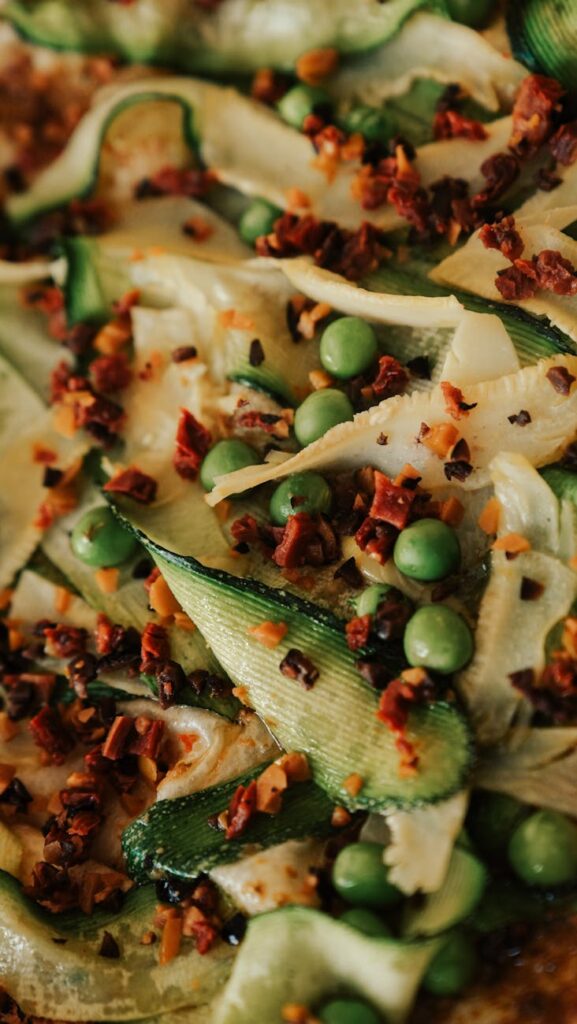
How to Use Zucchini Properly
Introduction
Zucchini, also known as courgette in many parts of the world, is a versatile summer squash that boasts a mild flavor and a tender texture. This ingredient has gained immense popularity in various cuisines due to its adaptability and nutritional benefits. Understanding how to use zucchini properly can elevate your culinary skills and enhance the flavors of your dishes. This article delves into the multifaceted uses of zucchini, guiding you through its history, production, quality considerations, and more.
What Is Uses?
In culinary terms, “uses” refers to the various applications and preparations of an ingredient, highlighting its versatility, flavor profiles, and compatibility with other foods. For zucchini, its uses range from raw applications in salads to cooked preparations in stir-fries, casseroles, and baked goods. Moreover, zucchini can be transformed into different textures, such as noodles or fritters, making it a staple for diverse dietary preferences.
History and Origins
Zucchini originates from Mesoamerica, where it was cultivated by indigenous peoples. Its journey to Europe began in the 16th century, primarily through Spain, where it was embraced and adapted into various regional cuisines. The term “zucchini” derives from the Italian word “zucchina,” which means “small squash.” Over time, zucchini became a staple in Mediterranean diets and eventually gained global popularity, especially in the United States, where it is commonly grown and consumed.
Production and Processing
Zucchini thrives in warm climates and is typically harvested during the summer months. It is grown in various regions around the world, including North America, Europe, and parts of Asia. The plant requires well-drained, fertile soil and plenty of sunlight for optimal growth.
Upon harvesting, zucchini is often sent to processing facilities where it may be cleaned, sorted, and packaged for distribution. It can be sold fresh, frozen, or canned, allowing for year-round availability. The processing methods can influence the flavor and texture of zucchini, making it essential to choose the appropriate form for specific culinary applications.
Quality and Grading
When evaluating zucchini, several quality indicators come into play:
1. Appearance: Fresh zucchini should have a vibrant green color, a firm texture, and be free of blemishes or soft spots. The skin should be smooth and taut.
2. Size: Smaller zucchini, typically 6 to 8 inches in length, are generally more tender and flavorful than larger ones, which may contain larger seeds and a more fibrous texture.
3. Freshness: Look for zucchini that is recently harvested, as older specimens may have lost moisture and flavor.
Grading systems may vary by region, but high-quality zucchini typically falls into categories based on these criteria, ensuring consumers receive the best product possible.
Buying Considerations
When purchasing zucchini, several factors should be taken into account:
1. Seasonality: Fresh zucchini is in season during the summer months. Out-of-season zucchini may be available but may not have the same flavor or texture.
2. Source: Local farmers’ markets often provide the freshest zucchini, supporting local agriculture and ensuring peak quality.
3. Organic vs. Conventional: Consider whether you prefer organic zucchini, which is grown without synthetic pesticides and fertilizers, or conventional varieties, which may have been treated with chemicals.
4. Storage Practices: Zucchini is perishable and should be stored in a cool, dry place. If you plan to use it within a few days, keep it in the refrigerator to extend its shelf life.
Uses and Applications
Zucchini is a culinary chameleon, lending itself to a wide array of preparations:
Raw Preparations
- Salads: Thinly sliced or spiralized zucchini adds a crunchy element to salads. It pairs well with a variety of dressings and can be combined with other fresh vegetables.
- Dips: Zucchini can be grated and mixed into dips, bringing moisture and a subtle flavor to hummus or yogurt-based spreads.
- Sautéing and Stir-Frying: Zucchini quickly cooks down when sautéed or stir-fried, making it an excellent addition to vegetable medleys or pasta dishes.
- Grilling: When sliced into thick rounds or strips, zucchini can be grilled to achieve a smoky flavor and charred texture. It can be seasoned with herbs and spices for added taste.
- Baking: Zucchini can be incorporated into baked goods, such as bread and muffins, adding moisture and nutrition without overpowering the overall flavor.
- Noodles: Zucchini can be spiralized to create “zoodles,” a popular low-carb alternative to traditional pasta. This method retains the vegetable’s moisture and adds a fresh crunch to dishes.
- Stuffing: Hollowed-out zucchini can serve as vessels for various fillings, including grains, meats, or vegetables, providing a visually appealing and nutritious dish.
- Freezing: Zucchini can be blanched and frozen for extended storage. This process helps retain its color, flavor, and nutritional value.
- Canning: Canned zucchini can be used in soups and stews, providing convenience and a longer shelf life.
- Refrigeration: Fresh zucchini should be stored in the crisper drawer of the refrigerator, where it can last for about 4 to 7 days.
- Avoid Moisture: Excess moisture can lead to spoilage. It’s advisable not to wash zucchini until just before use.
- Freezing: If you have an abundance of zucchini, consider blanching and freezing it in airtight containers. Frozen zucchini can last up to 10 to 12 months.
Cooked Applications
Unconventional Uses
Preservation Methods
Storage and Shelf Life
Proper storage is crucial for maintaining the quality of zucchini:
Common Misconceptions
Despite its popularity, several misconceptions about zucchini persist:
1. Only for Summer: While zucchini is a summer squash, it can be preserved and enjoyed year-round through freezing and canning.
2. Flavorless: Some believe zucchini lacks flavor; however, its mild taste allows it to absorb the flavors of accompanying ingredients, making it highly versatile.
3. High Water Content: While zucchini has a high water content, this can be beneficial in many dishes, providing moisture without added calories.
4. Only for Savory Dishes: Zucchini can also be used in sweet preparations, adding moisture and texture to baked goods without overwhelming the flavor.
Frequently Asked Questions
1. How do I select the best zucchini at the market?
Look for zucchini that is firm, has a vibrant green color, and is free from blemishes. Smaller zucchinis are generally more tender and flavorful.
2. Can I eat zucchini raw?
Yes, zucchini can be enjoyed raw in salads or as a crunchy snack. It can also be spiralized into noodles or used in dips.
3. What are the best cooking methods for zucchini?
Zucchini is versatile and can be sautéed, grilled, roasted, or baked. Each method brings out different flavors and textures.
4. How can I preserve zucchini for future use?
Zucchini can be frozen after blanching or canned for longer preservation. Ensure proper storage in airtight containers to maintain quality.
5. Are there any specific pairings that enhance zucchini’s flavor?
Zucchini pairs well with a variety of herbs and spices, including basil, oregano, garlic, and lemon. It also complements other vegetables well.
6. Can I grow zucchini in my home garden?
Yes, zucchini is relatively easy to grow in home gardens, provided it has ample sunlight, well-drained soil, and consistent watering.
Conclusion
Zucchini is a remarkable ingredient that offers a wealth of culinary possibilities. Its versatility allows it to shine in both raw and cooked applications, catering to various dietary preferences and cultural cuisines. Understanding how to select, store, and prepare zucchini is essential for anyone looking to maximize its potential in the kitchen. By embracing this humble summer squash, you can elevate your culinary repertoire while enjoying its unique flavors and textures.