
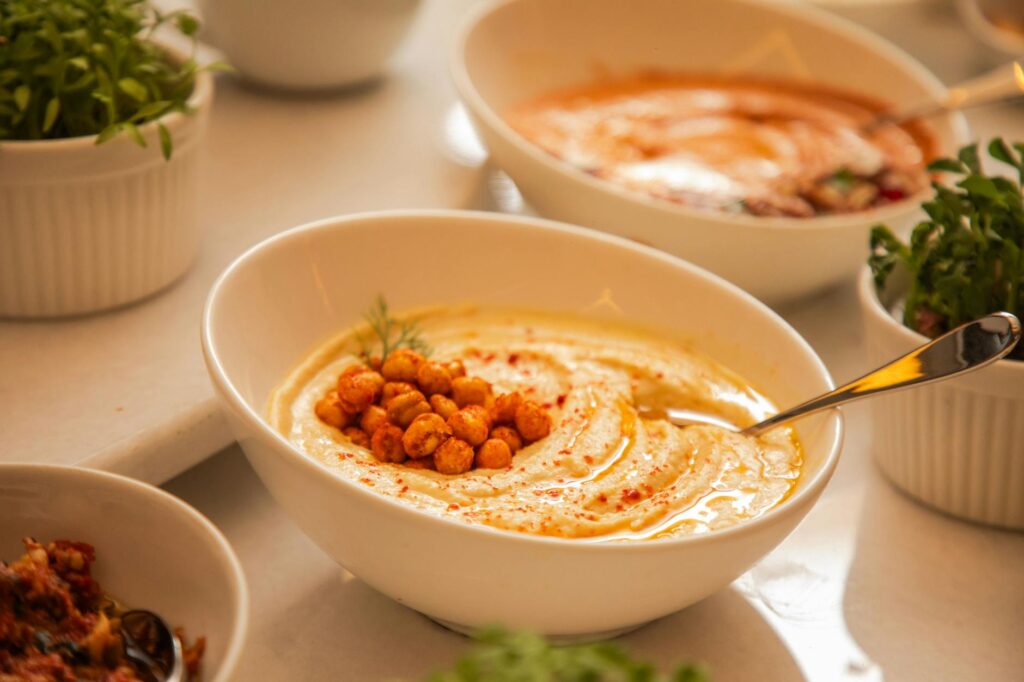
Hummus Around the World
Introduction
Hummus, a creamy dip made primarily from chickpeas, tahini, lemon juice, and garlic, has transcended its Middle Eastern roots to become a global culinary staple. Celebrated for its rich flavor, nutritional value, and versatility, hummus has found its way into various cuisines worldwide. This article explores the regional variations of hummus, delving into its history, production methods, quality assessment, buying considerations, and common misconceptions, while also addressing frequently asked questions about this beloved ingredient.
What Is Regions?
In the context of hummus, “regions” refers to the diverse geographical areas where the dish is traditionally prepared, served, and enjoyed. Each region has its unique characteristics that influence the flavor, texture, and presentation of hummus. From the Levantine countries of the Middle East to Mediterranean nations and even beyond, hummus showcases the culinary traditions and local ingredients of its surroundings.
History and Origins
The history of hummus is as rich and complex as its flavor profile. While its precise origins remain debated, many historians trace its roots back to the Levant region, which includes modern-day Lebanon, Syria, Palestine, and Israel. References to chickpeas and tahini date back to ancient times, with evidence of chickpea cultivation in the Fertile Crescent around 7500 BC.
The earliest known written recipes for hummus appear in medieval Arabic cookbooks. As it spread throughout the Mediterranean, hummus adapted to local tastes and available ingredients. The dish gained international popularity in the 20th century, particularly in the United States, where it has become a common snack food and appetizer.
Production and Processing
The production of hummus involves several key steps: ingredient selection, soaking and cooking chickpeas, blending, and flavoring. Traditionally, dried chickpeas are soaked overnight before being boiled until tender. This method enhances their digestibility and flavor.
In some regions, particularly in the Levant, the use of fresh ingredients such as garlic and lemon juice is paramount, contributing to the dip’s brightness. Tahini, made from ground sesame seeds, is also a crucial component, imparting a creamy texture and nutty flavor. Once all ingredients are combined, the mixture is blended to achieve a smooth consistency.
In recent years, the production of hummus has seen significant industrial growth, with many brands offering pre-packaged versions. These products often include stabilizers and preservatives to extend shelf life, but they may lack the depth of flavor associated with freshly made hummus.
Quality and Grading
The quality of hummus is influenced by various factors, including ingredient selection, production methods, and storage conditions. High-quality hummus typically features a balance of flavors, with a creamy texture and a rich, nutty undertone from tahini. The chickpeas should be tender, and the garlic should not overwhelm the other ingredients.
When purchasing hummus, consumers should look for products with minimal additives and preservatives. Freshly made hummus often boasts a shorter shelf life but delivers superior taste and texture. In regions where hummus is a cultural staple, such as Lebanon and Israel, local markets often provide the freshest options, made daily.
Buying Considerations
When seeking hummus, several considerations can enhance your purchasing experience:
1. Ingredient List: Opt for hummus with few ingredients—ideally chickpeas, tahini, olive oil, lemon juice, garlic, and salt. Avoid products with artificial flavors or preservatives.
2. Texture and Consistency: Hummus should be smooth and creamy. If you notice a grainy texture, it may indicate lower quality.
3. Flavor Variations: Many brands offer flavored hummus, such as roasted red pepper, garlic, or herb-infused variants. While these can be delicious, they should not overshadow the classic flavor profile.
4. Packaging: Consider purchasing hummus in glass containers or BPA-free packaging to minimize exposure to harmful chemicals.
5. Local vs. Imported: In regions where hummus is a cultural staple, local products often reflect traditional recipes and fresher ingredients. Imported brands may vary in quality.
6. Serving Size: Hummus is often sold in various sizes, from single-serve cups to larger tubs. Consider your consumption needs when selecting a package.
Uses and Applications
Hummus is incredibly versatile, serving as a dip, spread, or ingredient in various dishes. Its applications extend beyond simple snacking, making it a popular choice in many culinary contexts:
- Dips and Spreads: Hummus is commonly served alongside pita bread, vegetable sticks, or crackers as a nutritious dip. Its creamy texture makes it an ideal spread for sandwiches and wraps.
- Salad Dressings: Blending hummus with additional liquids such as water, olive oil, or vinegar creates a creamy dressing for salads, adding flavor and nutrition.
- Culinary Base: In some regions, hummus serves as a base for other dishes. For example, it can be topped with sautéed mushrooms, roasted vegetables, or spiced meats, transforming it into a hearty main course.
- Cultural Significance: In Middle Eastern cultures, hummus is often enjoyed during communal meals and celebrations, symbolizing hospitality and sharing.
Storage and Shelf Life
The storage and shelf life of hummus depend on whether it is homemade or store-bought. Homemade hummus typically lasts about 3 to 5 days when refrigerated in an airtight container. It is advisable to consume it within this timeframe for optimal freshness.
Store-bought hummus often includes preservatives that can extend its shelf life up to several weeks or even months when unopened. However, once opened, it should be consumed within a week for the best taste and texture. Always check the expiration date and follow storage instructions on the packaging.
Freezing hummus is an option for