
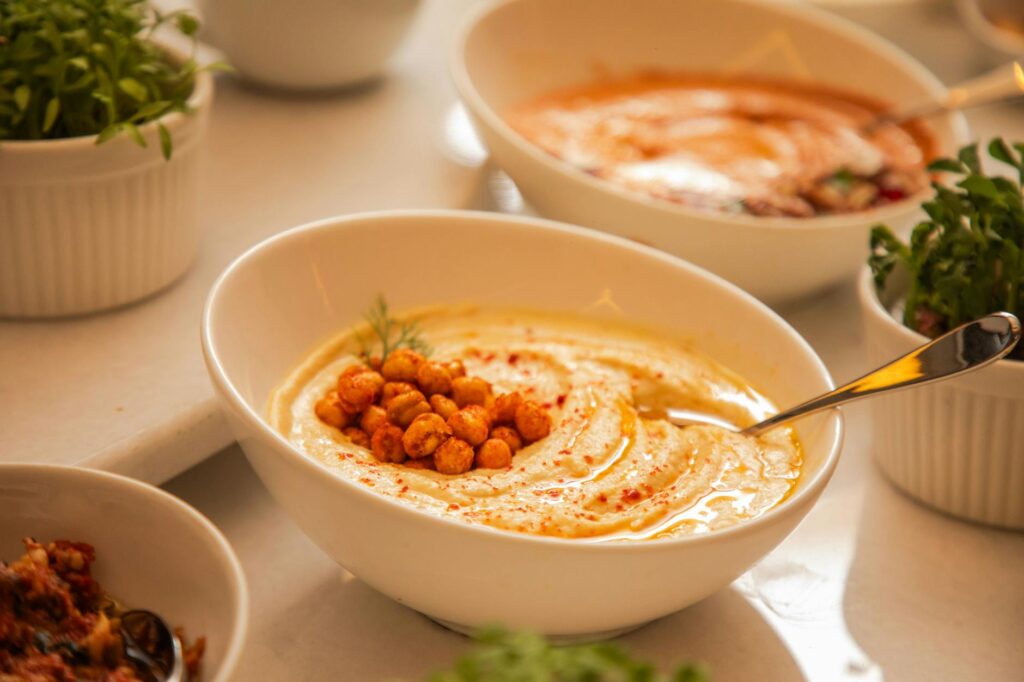
Hummus: Origins and Evolution
Introduction
Hummus, a creamy dip made primarily from chickpeas, has taken the culinary world by storm. Its rich texture and nutty flavor have made it a staple in Middle Eastern cuisine and a popular choice in various global diets. While often enjoyed as a dip, hummus is versatile enough to be used in salads, sandwiches, and even as a spread. This article delves into the origins, production processes, and various applications of hummus, while also addressing common misconceptions and frequently asked questions.
What Is Hummus?
Hummus is a savory spread made from cooked and mashed chickpeas, blended with tahini (a paste made from ground sesame seeds), olive oil, lemon juice, garlic, and various seasonings. The word “hummus” itself is derived from the Arabic word for chickpeas, “ḥummuṣ.” The dish is known for its smooth consistency, which can vary based on the production method and additional ingredients. Hummus is celebrated for its flavor and nutritional benefits, being high in protein, fiber, and healthy fats.
History and Origins
The origins of hummus are steeped in culinary history, with debates surrounding its precise birthplace. Many scholars trace its roots back to the Levant region, specifically modern-day Lebanon, Syria, and Palestine, where chickpeas have been cultivated for thousands of years. Ancient texts suggest that variations of chickpea-based dishes were prepared as far back as the 13th century.
Notably, the earliest known recipe resembling hummus can be found in a 13th-century Arabic cookbook, “Kitab al-Tabikh.” However, the dish as we know it today has evolved, incorporating diverse ingredients and techniques over centuries.
Hummus gained popularity in the Mediterranean and Middle Eastern regions, serving not only as a meal accompaniment but also as a communal dish, often enjoyed with pita bread and garnished with olive oil, paprika, or parsley. In the 20th century, hummus made its way to Western countries, becoming a widely accepted health food due to its nutritious profile.
Production and Processing
The production of hummus involves several key steps, each contributing to its flavor and texture.
1. Ingredient Selection: High-quality chickpeas are essential for a smooth hummus. Varieties such as Garbanzo beans, commonly found in grocery stores, are standard. Tahini, made from roasted sesame seeds, is another crucial ingredient, imparting a distinct flavor.
2. Soaking and Cooking: Traditionally, dried chickpeas are soaked overnight to hydrate them, followed by cooking until tender. Some manufacturers opt for canned chickpeas for convenience, although soaking and cooking can enhance flavor and texture.
3. Blending: Once cooked, the chickpeas are blended with tahini, olive oil, lemon juice, garlic, and seasonings until smooth. The blending process can vary; some prefer a chunkier texture, while others aim for silkiness.
4. Flavoring: Additional ingredients such as roasted red peppers, herbs, or spices can be added to create unique variations of hummus.
5. Packaging: Hummus is typically packaged in airtight containers to maintain freshness. In industrial production, preservatives may be added to extend shelf life.
Quality and Grading
The quality of hummus can be assessed based on several factors:
1. Ingredient Quality: The use of fresh, high-quality ingredients directly affects the flavor and texture. Organic chickpeas and tahini are often preferred for premium products.
2. Texture: A well-made hummus should have a creamy, smooth consistency. Graininess or separation can indicate inferior quality.
3. Flavor Balance: The balance of flavors—earthiness from chickpeas, nuttiness from tahini, acidity from lemon juice, and richness from olive oil—should be harmonious.
4. Freshness: Fresh hummus typically has a shorter shelf life. Products with preservatives may last longer but compromise on flavor.
5. Label Transparency: High-quality brands often provide transparency regarding ingredient sourcing and production methods.
Buying Considerations
When purchasing hummus, consumers should consider the following factors:
1. Ingredient List: Look for hummus with a short, recognizable ingredient list. Avoid products with artificial preservatives or fillers.
2. Texture Preference: Decide whether you prefer a smooth or chunky texture. Some brands offer both options.
3. Flavor Varieties: Hummus comes in various flavors, from classic to more adventurous options like roasted garlic or spicy harissa. Experiment with different varieties to find your favorite.
4. Packaging: Choose products that are packaged in BPA-free containers, and check for any signs of spoilage, such as bulging lids or off-smells.
5. Local vs. Imported: Local brands may offer fresher options, while imported hummus can provide authentic flavors. Consider supporting local producers when possible.
Uses and Applications
Hummus is an incredibly versatile ingredient in various culinary applications:
1. Dip: The most common use, served with pita bread, veggies, or crackers.
2. Spread: Used as a spread in sandwiches or wraps, adding flavor and creaminess.
3. Salad Dressing: Thinned with water or lemon juice, hummus can serve as a unique salad dressing.
4. Cooking: Hummus can be incorporated into recipes like stuffed peppers or used as a base for grain bowls.
5. Garnish: A dollop of hummus can elevate dishes, providing a creamy contrast to grilled meats or roasted vegetables.
Storage and Shelf Life
Proper storage is crucial to maintaining hummus’s quality and safety:
1. Refrigeration: Once opened, hummus should be stored in the refrigerator at temperatures below 40