
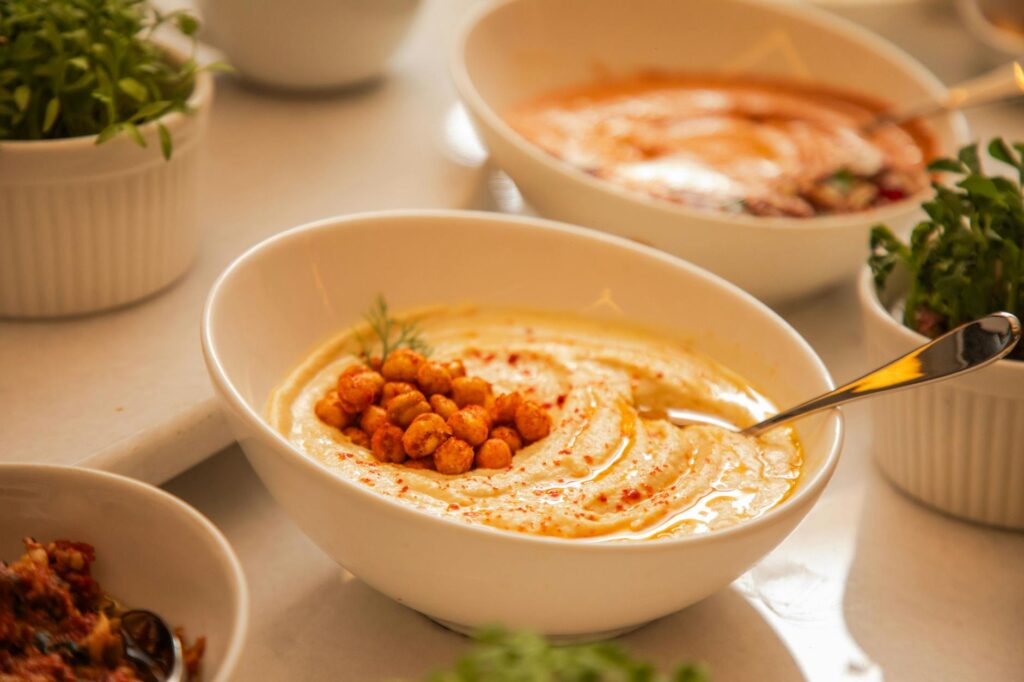
Hummus Production by Country
Introduction
Hummus, a creamy blend of chickpeas, tahini, olive oil, lemon juice, and garlic, has transcended its origins to become a staple in many global cuisines. While it is most closely associated with Middle Eastern gastronomy, each country has adapted the basic recipe to reflect local tastes, agricultural practices, and cultural influences. This article delves into the various regions that produce hummus, exploring the nuances of its preparation, the historical context, and the implications for quality and consumption.
What Is Regions?
In the context of food ingredients, “regions” refers to geographic areas that influence the production, flavor, and style of a given food item. For hummus, regions can be defined not just by national borders but also by cultural traditions, agricultural practices, and culinary preferences. Each country’s approach to hummus reflects its unique identity, making it a fascinating subject of study for both food enthusiasts and culinary professionals.
History and Origins
The origins of hummus can be traced back to the Levant region of the Middle East, a historically rich area that encompasses modern-day Lebanon, Syria, Jordan, and Palestine. While the exact birthplace of hummus is debated, it is believed to have emerged during the medieval period. The earliest known references to chickpeas date back to ancient Mesopotamia, and the combination of chickpeas with tahini is thought to have gained popularity with the rise of trade routes and cultural exchanges.
Throughout history, hummus has served not only as a dietary staple but also as a symbol of hospitality and community. In recent decades, the dish has gained international acclaim, evolving from a regional delicacy to a global phenomenon. Today, variations of hummus can be found in restaurants and households worldwide, often adapted to suit local palates.
Production and Processing
The production of hummus varies widely by country, influenced by local agricultural practices and ingredient availability. Here are some key aspects of production in notable hummus-producing countries:
Lebanon
Lebanon is often considered the birthplace of hummus. Lebanese hummus is typically characterized by a smooth texture achieved through the meticulous processing of chickpeas. The country boasts a rich culinary heritage that emphasizes the importance of quality ingredients. Farmers in Lebanon often cultivate organic chickpeas, which are then soaked, boiled, and blended with tahini, garlic, lemon juice, and olive oil.
Israel
In Israel, hummus is a national dish, and its production is both artisanal and industrial. Variations abound, with some regions favoring spicier or thicker renditions. Israeli hummus often incorporates fresh herbs and spices, reflecting the diverse cultural influences present in the country. Additionally, many Israeli producers emphasize sustainability by sourcing local ingredients.
Turkey
In Turkey, hummus is often served as a meze, or appetizer, and is typically thicker than its Lebanese and Israeli counterparts. Turkish hummus may include unique ingredients, such as cumin or paprika, which impart distinctive flavors. Traditionally, it is made with dried chickpeas that are soaked overnight and then boiled and blended.
Greece
Greek hummus incorporates local flavors and ingredients, such as feta cheese and olives. The texture may vary, with some versions being chunkier than the smooth varieties found in Lebanon or Israel. The production process often includes a variety of legumes, and the emphasis is placed on the quality of olive oil, which is a staple in Greek cuisine.
United States
In the U.S., hummus production has exploded in popularity over the past few decades. Commercial producers offer a wide range of flavors, from roasted red pepper to garlic and beyond. Many American brands prioritize organic and non-GMO ingredients, reflecting consumer demand for healthier food options. The production often involves large-scale processing facilities, where efficiency meets culinary creativity.
Quality and Grading
The quality of hummus can be assessed based on several factors, including ingredient quality, texture, and flavor balance. Here are some key points to consider for grading hummus:
Ingredient Quality
High-quality hummus relies on fresh, high-quality ingredients. Chickpeas should be firm and flavorful, while tahini must be smooth and nutty. The olive oil used should be extra virgin for the best flavor profile.
Texture
The ideal hummus should have a creamy, velvety texture without being overly grainy. A smooth hummus is often indicative of a well-executed production process, where chickpeas are thoroughly blended and emulsified.
Flavor Profile
A well-balanced hummus should have a harmonious blend of flavors. The taste of chickpeas should be prominent, complemented by the richness of tahini, acidity from lemon juice, and the aromatic qualities of garlic and olive oil.
Buying Considerations
When purchasing hummus, whether from a store or a local vendor, several factors should be kept in mind:
Freshness
Opt for freshly made hummus whenever possible. Look for products with a shorter shelf life, as this often indicates fewer preservatives and a fresher taste.
Packaging
Pay attention to packaging. Hummus in glass containers is generally considered superior to plastic, as glass preserves the flavor and integrity of the product better.
Flavor Varieties
Explore different flavor profiles. While traditional hummus is delicious, many producers offer innovative varieties that can enhance the culinary experience.
Ingredient Transparency
Check ingredient labels for transparency. Ideally, hummus should contain a short list of recognizable ingredients without artificial additives or preservatives.
Uses and Applications
Hummus is a versatile ingredient that can be utilized in various culinary contexts:
Dips and Spreads
Hummus is commonly served as a dip for vegetables, pita bread, or crackers. Its creamy texture makes it an excellent spread for sandwiches and wraps.
Salad Dressings
Blending hummus with additional ingredients like vinegar or yogurt can create a flavorful salad dressing, adding creaminess and depth to salads.
Sauces and Marinades
Hummus can serve as a base for sauces and marinades, imparting flavor to grilled meats, vegetables, or seafood.
Cooking Ingredient
Beyond being a dip or spread, hummus can be incorporated into dishes such as pasta or grain bowls, providing protein and flavor.
Storage and Shelf Life
Proper storage is essential for maintaining the quality of hummus. Here are some guidelines:
Refrigeration
Once opened, hummus should be stored in the refrigerator and consumed within 5 to 7 days. Always ensure the container is tightly sealed to prevent spoilage.
Freezing
Hummus can be frozen for longer storage. It is best to portion it into smaller containers before freezing to facilitate thawing. When properly stored, frozen hummus can last for up to three months.
Thawing
When thawing hummus, transfer it to the refrigerator overnight. After thawing, give it a good stir to restore its original texture, as separation may occur.
Common Misconceptions
Hummus Is Only a Middle Eastern Dish
While hummus has Middle Eastern origins, it has been embraced by various cultures worldwide, leading to numerous interpretations and adaptations.
Hummus Is Unhealthy
Contrary to popular belief, hummus can be a nutritious food choice. It is rich in protein, fiber, and healthy fats, making it a suitable option for various diets.
All Hummus Is the Same
Hummus varies significantly by region, with distinct variations in taste, texture, and ingredients. Each country brings its own culinary traditions and flavors to the dish.
Frequently Asked Questions
1. Is hummus gluten-free?
Yes, traditional hummus is gluten-free, as it is primarily made from chickpeas and tahini. However, always check labels, especially for store-bought versions, to ensure no gluten-containing ingredients are added.
2. Can hummus be made without tahini?
Yes, while tahini adds a unique flavor, hummus can be made without it. Alternatives include using yogurt or additional olive oil for creaminess.
3. What are some common flavor variations of hummus?
Common variations include roasted red pepper, garlic, jalapeño, and even dessert hummus flavors like chocolate or brownie batter.
4. How can I tell if hummus has gone bad?
Signs of spoilage include an off smell, discoloration, or visible mold. If you notice any of these signs, it is best to discard the hummus.
5. Is it safe to eat hummus after the expiration date?
While hummus may still be safe to eat shortly after the expiration date if properly stored, it is best to trust your senses. If it smells or looks off, it’s safer to discard it.
6. Can hummus be part of a vegan diet?
Yes, hummus is a plant-based food that is suitable for vegans, providing a source of protein and healthy fats.
In conclusion, hummus is more than a simple dip; it is a cultural icon that reflects the rich history and culinary diversity of the regions it hails from. Understanding its production, quality, and applications enriches our appreciation for this beloved ingredient.