
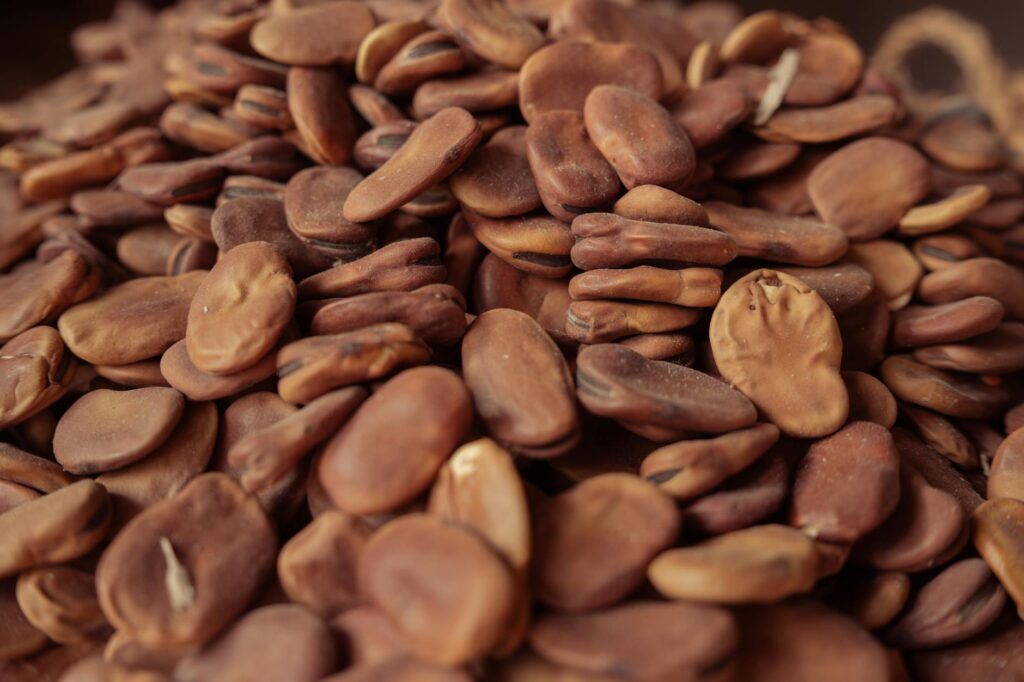
Iranian vs Spanish Fava Beans
Introduction
Fava beans, also known as broad beans (Vicia faba), are a legume cherished for their rich flavor, nutritional value, and versatility in culinary applications. While these beans are cultivated in various regions around the world, Iranian and Spanish fava beans stand out for their unique characteristics and culinary traditions. This article delves into the distinctions between Iranian and Spanish fava beans, exploring their history, production, quality, and uses.
What Are Regions?
In the context of agricultural products like fava beans, “regions” refers to specific geographical areas where these legumes are grown. The climate, soil conditions, and agricultural practices in these regions significantly influence the characteristics of the beans. The Iranian and Spanish regions of fava bean cultivation each offer distinct varieties that reflect their local terroir and culinary heritage.
History and Origins
Fava beans are believed to have originated in the Mediterranean region, with archaeological evidence suggesting their cultivation dates back to around 6000 BC. The beans were among the first cultivated crops, appreciated for their nutritional benefits.
Iranian Fava Beans
Iranian fava beans have a rich history deeply intertwined with the country’s agricultural practices. They have been cultivated for centuries, playing a vital role in Iranian cuisine, particularly in traditional dishes such as “baghali ghatogh,” a fava bean stew. The diverse climates across Iran—from the arid deserts to the lush northern regions—allow for a variety of fava beans to thrive, each adapted to its specific environment.
Spanish Fava Beans
Spanish fava beans, known locally as “habas,” have a long-standing presence in Spanish cuisine, particularly in regions like Andalusia and Extremadura. These beans are often associated with seasonal dishes and local festivals, showcasing their importance within the cultural fabric of Spain. The cultivation of fava beans in Spain dates back to the Roman era, and they have been a staple in Mediterranean diets ever since.
Production and Processing
Iranian Fava Beans
Iran is among the top producers of fava beans, with vast agricultural lands dedicated to their cultivation. The primary growing regions include Kermanshah, Lorestan, and Isfahan. The beans are typically sown in late autumn and harvested in late spring.
In terms of processing, Iranian fava beans are often dried after harvest, preserving their flavor and nutritional content. Some varieties are also canned or frozen for convenience, allowing for year-round availability.
Spanish Fava Beans
Spain also boasts significant fava bean production, primarily in the southern regions. The beans are usually sown in early spring and harvested by summer. Spanish farmers often employ traditional farming methods, emphasizing organic practices and local varieties.
Processing in Spain is similar to Iran, with fava beans commonly sold dried. However, due to the culinary traditions in Spain, fresh fava beans are also widely available, especially during the spring season when they are at their peak flavor.
Quality and Grading
The quality of fava beans can vary based on several factors, including variety, growing conditions, and processing methods. Both Iranian and Spanish fava beans are subject to grading standards that assess their size, color, and overall quality.
Iranian Quality Standards
Iranian fava beans are typically graded based on size and color. The best quality beans are large, uniformly colored, and free from defects. The grading system often categorizes beans into several classes, with higher grades commanding a premium price in the market.
Spanish Quality Standards
Spanish grading systems also focus on size and uniformity, but there is a greater emphasis on the freshness of the beans. Fresh fava beans are often sold with their pods, and the quality is determined by their firmness and vibrant color. Producers may also adhere to specific regional quality standards that highlight local varieties.
Buying Considerations
When purchasing fava beans, there are several factors to consider to ensure you select the best quality.
For Iranian Fava Beans
1. Variety: Different varieties may have unique flavors and textures. Research local varieties to find one that suits your culinary needs.
2. Packaging: Look for beans that are well-packaged to avoid moisture and contaminants. Vacuum-sealed packaging is often a good choice.
3. Color: Choose beans that are uniformly colored and free from blemishes.
For Spanish Fava Beans
1. Freshness: If opting for fresh fava beans, select those with bright green pods that feel firm to the touch.
2. Seasonality: Be aware of the harvesting season; fresh beans are typically available in spring.
3. Local Sourcing: Consider purchasing from local farmers’ markets to ensure quality and support local agriculture.
Uses and Applications
Fava beans are incredibly versatile, finding their way into a myriad of dishes across different cuisines.
Iranian Culinary Uses
In Iranian cuisine, fava beans are often used in stews, soups, and rice dishes. The beans’ creamy texture complements rich flavors and spices. They are also enjoyed as a standalone dish, often prepared with herbs and spices.
Spanish Culinary Uses
In Spain, fava beans are commonly used in tapas, salads, and main dishes. They can be found in traditional recipes such as “habas con jamón,” which pairs the beans with cured ham, and are also featured in various seasonal dishes. The fresh beans are particularly prized for their sweet, tender flavor.
Storage and Shelf Life
Iranian Fava Beans
Dried Iranian fava beans can be stored in a cool, dry place for up to a year. It is advisable to keep them in an airtight container to maintain freshness. Once cooked, they should be refrigerated and consumed within a few days or frozen for longer storage.
Spanish Fava Beans
Fresh Spanish fava beans should be used within a week of purchase for optimal flavor and texture. They can