
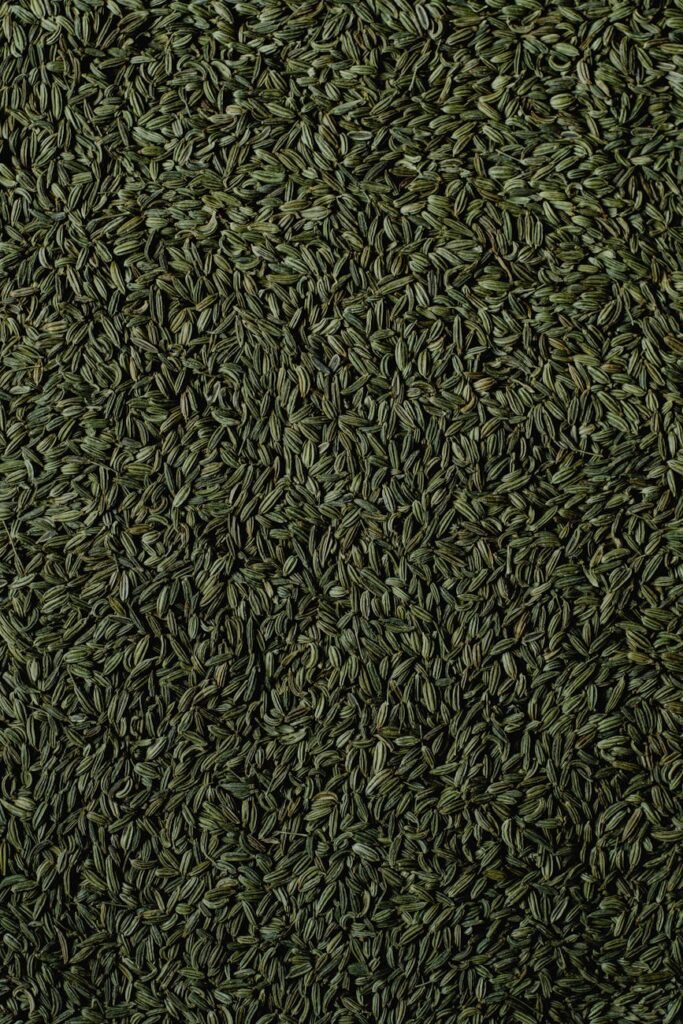
Iranian vs Spanish Fennel
Introduction
Fennel, a versatile herb and spice, is celebrated for its unique flavor profile, which combines anise and licorice notes. Its culinary versatility and health benefits have made it a staple in various cuisines worldwide. Among the diverse types of fennel, Iranian and Spanish varieties stand out, each offering distinct characteristics that cater to different culinary applications. This article delves into the regions of origin, production methods, and unique attributes of Iranian and Spanish fennel, providing a comprehensive overview for culinary enthusiasts and professionals alike.
What Is Regions?
The term “regions” in the context of food ingredients refers to the geographical areas where specific varieties of an ingredient are cultivated. Each region contributes unique environmental conditions, soil types, and agricultural practices that influence the flavor, aroma, and overall quality of the ingredient. In the case of fennel, Iranian and Spanish varieties have developed under distinct climatic influences and cultural practices, leading to variations in their culinary applications and market preferences.
History and Origins
Fennel (Foeniculum vulgare) has a rich history that dates back thousands of years. Native to the Mediterranean region, it was used by ancient civilizations for culinary and medicinal purposes. Fennel was introduced to Iran through trade routes and has since been integrated into Persian cuisine. Iranian fennel, known for its robust flavor and aromatic qualities, is often used in traditional dishes and spice blends.
Conversely, Spanish fennel has roots in the Iberian Peninsula and has been cultivated since Roman times. The climate in Spain, characterized by warm summers and mild winters, provides an ideal environment for fennel cultivation. The Spanish variety, particularly the bulbous fennel, is prized for its sweet flavor and tender texture, making it a popular choice in Mediterranean cuisine.
Production and Processing
Iranian fennel is primarily grown in the northern provinces of the country, particularly in Gilan and Mazandaran. The cultivation process emphasizes organic practices, relying on natural fertilizers and minimal pesticide use. After harvesting, the seeds are carefully dried and processed to retain their essential oils and flavor. The processing techniques often involve traditional methods that have been passed down through generations, ensuring that the unique characteristics of Iranian fennel are preserved.
Spanish fennel, on the other hand, enjoys widespread cultivation across various regions, including Valencia and Andalusia. The production process is modernized, with state-of-the-art agricultural practices that enhance yield and quality. Spanish fennel is usually harvested in the spring and early summer when its flavor is at its peak. Post-harvest, the fennel is cleaned, trimmed, and packed for distribution. The focus on quality control ensures that only the best specimens reach the market.
Quality and Grading
The quality of fennel can be assessed based on several factors, including aroma, flavor, color, and appearance. Iranian fennel is often characterized by its strong, aromatic scent and deep green color. The seeds are typically larger and have a more intense flavor, making them suitable for both culinary and medicinal applications. Grading is based on size, oil content, and purity; higher-quality Iranian fennel seeds are sought after for their potent flavor.
Spanish fennel is graded based on its size, shape, and overall freshness. The bulbous variety is particularly prized for its crisp texture and sweet flavor. Quality indicators include a firm bulb, vibrant color, and absence of blemishes. The grading system often differentiates between premium, standard, and substandard products, with premium Spanish fennel commanding higher prices in the market.
Buying Considerations
When purchasing fennel, whether Iranian or Spanish, several factors should be taken into account to ensure quality and freshness. For Iranian fennel seeds, look for packaging that indicates the origin and harvest date. The seeds should be whole, with a strong aroma and no signs of moisture or mold. Buying in small quantities is advisable, as fennel seeds can lose their flavor over time.
For Spanish fennel, particularly the bulb variety, freshness is critical. Choose bulbs that are firm and heavy for their size, with vibrant green fronds and no soft spots. It is best to avoid bulbs with yellowing or wilting tops, as this may indicate age or poor storage conditions. Local farmers’ markets often provide the freshest options, allowing consumers to support local agriculture while obtaining high-quality fennel.
Uses and Applications
Both Iranian and Spanish fennel have unique culinary applications that highlight their distinct flavors. Iranian fennel is commonly used in spice blends, such as advieh, a Persian mix that enhances the flavor of rice, stews, and grilled meats. Its seeds are also used in pickling and as a flavor enhancer in desserts, showcasing its versatility.
Spanish fennel, known for its sweet and mild flavor, is often used in salads, roasted dishes, and Mediterranean-style preparations. Its bulb can be thinly sliced for raw applications or grilled for a smoky flavor. The fronds are commonly used as a garnish, adding a fresh, herbal note to various dishes. The mildness of Spanish fennel makes it an appealing choice for those who may find the stronger flavor of Iranian fennel overwhelming.
Storage and Shelf Life
Proper storage is essential to maintaining the quality of fennel. Iranian fennel seeds should be stored in a cool, dark place in an airtight container to preserve their flavor and aroma. When stored correctly, they can last for up to two years, though their potency may decline over time.
Spanish fennel bulbs should be kept in the refrigerator, ideally in a perforated plastic bag to allow for air circulation. When stored properly, they can remain fresh for up to two weeks. It is advisable to consume them sooner for the best flavor and texture. If the bulbs begin to wilt, they should be used promptly or discarded.
Common Misconceptions
One common misconception is that all fennel varieties are interchangeable in culinary applications. While both Iranian and Spanish fennel share some similarities, their flavor profiles are distinct enough that substituting one for the other may not yield the desired results. The stronger, more pungent flavor of Iranian fennel can overpower dishes that call for the milder Spanish variety.
Another misconception is that fennel is only used as a spice or seasoning. In reality, both Iranian and Spanish fennel can be used in a variety of forms, including fresh, dried, or powdered. Each form offers unique applications in cooking, allowing chefs and home cooks to explore the versatility of fennel.
Frequently Asked Questions
1. What is the primary difference between Iranian and Spanish fennel?
Iranian fennel has a stronger, more aromatic flavor, while Spanish fennel is milder and sweeter, making it suitable for different culinary applications.
2. How can I tell if fennel is fresh?
Fresh fennel bulbs should be firm, heavy, and vibrant in color, with no soft spots or wilting. For seeds, look for whole, aromatic seeds without moisture or mold.
3. Are there health benefits associated with fennel?
While fennel is widely used in culinary applications, it is best to consult a healthcare professional for information on potential health benefits.
4. Can I substitute one type of fennel for another in recipes?
While both types of fennel can be used in cooking, their flavor profiles differ significantly. Substituting one for the other may not yield the intended taste.
5. How should I store fennel to maintain its freshness?
Store Iranian fennel seeds in a cool, dark place in an airtight container, while Spanish fennel bulbs should be kept in the refrigerator, ideally in a perforated plastic bag.
6. What culinary applications work best for each variety of fennel?
Iranian fennel is often used in spice blends and pickling, while Spanish fennel is ideal for salads, grilled dishes, and garnishes, showcasing its sweet flavor.
Conclusion
Understanding the differences between Iranian and Spanish fennel enriches the culinary experience, allowing chefs and home cooks to select the appropriate variety for their dishes. By appreciating the unique qualities, production methods, and applications of each type, one can better harness the potential of fennel, enhancing flavors and elevating dishes across various cuisines. Whether you choose the robust flavor of Iranian fennel or the sweet, tender notes of Spanish fennel, each variety offers a distinct taste of its region, contributing to the global tapestry of culinary traditions.