
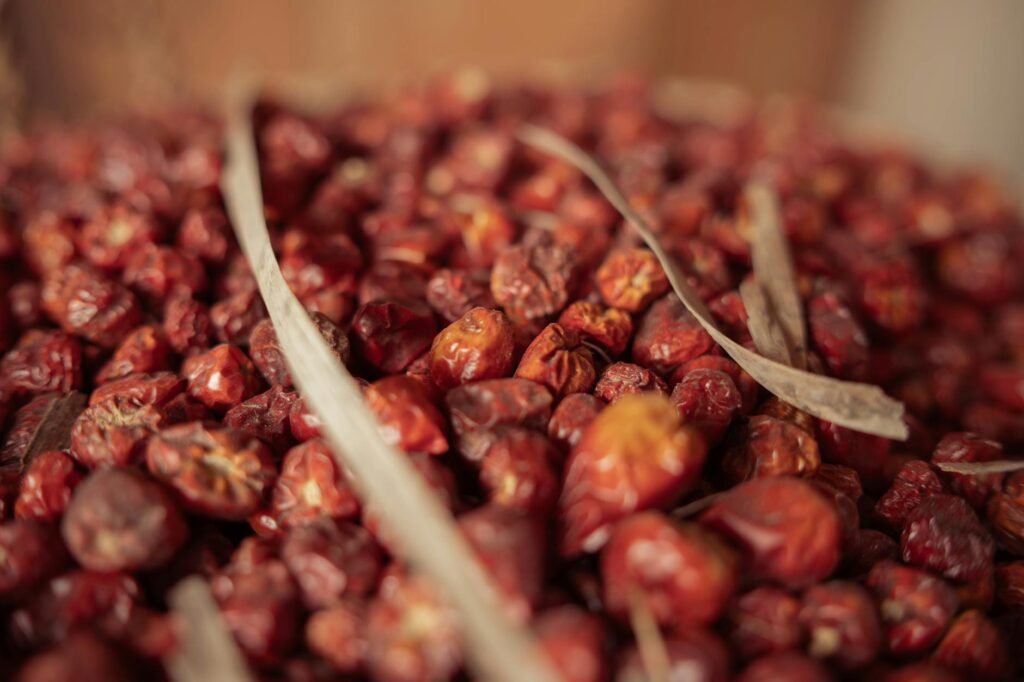
Iranian vs Spanish Jujube
Introduction
Jujube, known scientifically as Ziziphus jujuba, is a fruit-bearing tree that has gained prominence across various regions of the world for its unique flavor, nutritional benefits, and versatility in culinary applications. While Jujube is cultivated in numerous countries, Iranian and Spanish varieties stand out due to their distinct characteristics and cultural significance. This article will explore the differences and similarities between Iranian and Spanish Jujube, delving into their regions of origin, historical context, production methods, quality grading, and uses.
What Is Regions?
In the context of food ingredients, “regions” refers to the geographical areas where certain agricultural products are cultivated. The region affects not only the growing conditions—such as climate, soil type, and altitude—but also the cultivation techniques, harvesting methods, and cultural practices associated with the ingredient. For Jujube, the two primary regions of interest are Iran and Spain, each contributing unique attributes to the fruit.
History and Origins
Iranian Jujube
Iran is considered one of the original homes of the Jujube tree, with evidence of its cultivation dating back thousands of years. Historical texts suggest that Jujube was utilized in ancient Persian culture, being referenced in works of literature and medicine. The favorable climate and fertile soil of regions like Yazd and Kerman have allowed the Iranian Jujube to thrive, leading to its integration into traditional Iranian dishes and herbal remedies.
Spanish Jujube
In contrast, the Spanish Jujube has a more recent history, primarily introduced to Spain from the Middle East. The Mediterranean climate of Spain provides suitable conditions for Jujube cultivation, particularly in regions like Murcia and Andalusia. Over time, the Spanish have adopted Jujube into their culinary practices, often using it in desserts and traditional dishes, though it has not reached the same level of cultural penetration as in Iran.
Production and Processing
Iranian Jujube
Iranian Jujube trees are generally grown in arid and semi-arid regions, where they thrive in well-drained soils. The trees are drought-resistant and require minimal irrigation, making them sustainable for local farmers. Harvesting typically occurs in late summer to early fall, and the fruit is often consumed fresh, dried, or processed into jams and jellies. Post-harvest, the Iranian Jujube undergoes meticulous quality checks, ensuring that only the finest fruits make it to market.
Spanish Jujube
Spanish Jujube production emphasizes modern agricultural techniques, often incorporating advanced irrigation systems to optimize growth. The harvesting season aligns similarly with Iran, focusing on the late summer months. In Spain, Jujube is frequently processed into candied varieties, which are popular in traditional desserts. Quality control measures are also in place, though the scale and methods may vary compared to Iranian practices.
Quality and Grading
Iranian Jujube
Quality grading for Iranian Jujube involves several factors, including size, color, and firmness. Premium Iranian Jujubes are typically larger, with a rich reddish-brown hue and a crisp texture. The grading system is essential for export markets, as higher quality fruits fetch better prices. Iranian producers often adhere to international quality standards, ensuring their products meet the demands of global consumers.
Spanish Jujube
The quality grading of Spanish Jujube focuses primarily on taste and sweetness. The Spanish prefer Jujubes that exhibit a rich flavor profile, often characterized by a balance of sweetness and slight tartness. Grading systems may not be as stringent as in Iran, but producers are increasingly adopting quality standards to compete in international markets. The rise of organic farming in Spain has also led to a growing emphasis on sustainable practices, which can enhance the perceived quality of the fruit.
Buying Considerations
When purchasing Jujube, consumers should consider several factors, such as the source, variety, and intended use.
Iranian Jujube
- Source: Look for reputable Iranian producers or specialty stores that import directly from Iran.
- Variety: Different Iranian varieties exist, each with unique flavor profiles. Researching specific types can enhance the culinary experience.
- Use: Iranian Jujube is often consumed fresh or dried, making it essential to choose the right form based on the intended application.
- Source: Check for local Spanish markets or importers specializing in Mediterranean products.
- Variety: Spanish Jujubes may come in candied forms, perfect for desserts, or fresh forms for savory dishes.
- Use: If planning to use Jujube in desserts, opt for the candied varieties, while fresh Jujubes are suitable for salads or snacking.
- Iranian Jujube: Primarily consumed fresh or dried, they are often used in traditional dishes such as stews and rice. The dried fruit is also popular in herbal teas and as an ingredient in desserts.
- Spanish Jujube: Often found in candied forms, these Jujubes are commonly incorporated into pastries, tarts, and sweets. They can also be used in savory dishes, pairing well with meats and cheeses.
Spanish Jujube
Uses and Applications
Culinary Uses
Both Iranian and Spanish Jujubes are versatile ingredients used in various culinary applications.
Nutritional Uses
Jujube is recognized for its nutritional profile, rich in vitamins, minerals, and antioxidants. While this article does not delve into medical advice, it is worth noting that the fruit has been celebrated for its potential health benefits in both Persian and Mediterranean cultures.
Storage and Shelf Life
Iranian Jujube
Fresh Iranian Jujubes can be stored in a cool, dry place for several days. For extended shelf life, they are best kept in the refrigerator. Dried Jujubes can last for months when stored in airtight containers