
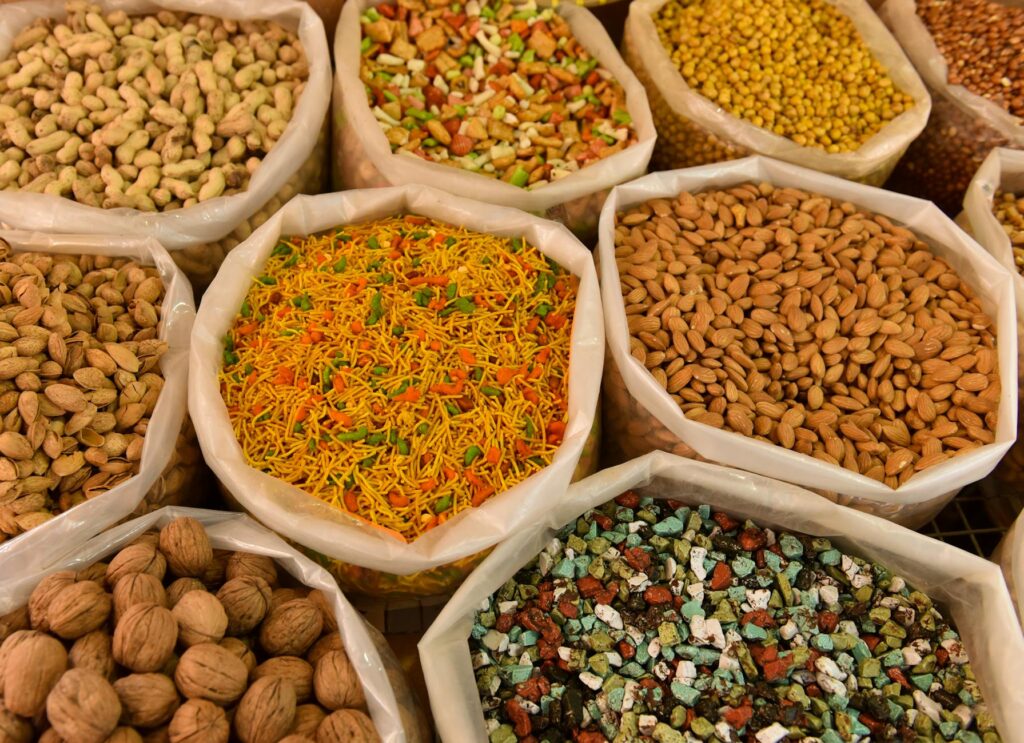
Iranian vs Spanish Pistachios
Introduction
Pistachios, often celebrated for their delectable flavor and nutritional benefits, are cultivated in various regions across the globe. Among the most renowned are Iranian and Spanish pistachios, each boasting unique characteristics that appeal to diverse palates and culinary applications. This article delves into the distinctions between these two types of pistachios, exploring their history, production methods, quality, and various uses.
What Is Regions?
In the context of food ingredients, “regions” refers to the geographical areas where specific agricultural products are cultivated. Each region imparts its own environmental conditions, including soil composition, climate, and traditional farming methods, which collectively influence the flavor, texture, and overall quality of the produce. For pistachios, the regions of Iran and Spain stand out due to their long-standing cultivation histories and distinct varietals.
History and Origins
Iranian Pistachios
Iran is often considered the birthplace of the pistachio, with cultivation dating back over 3,000 years. The country is home to a variety of native species, particularly the Pistacia vera, which thrives in arid conditions. Historically, Iranian pistachios were traded along the Silk Road, establishing their reputation as a delicacy in various cultures. The traditional methods of harvesting and processing have been passed down through generations, maintaining the integrity and authenticity of the product.
Spanish Pistachios
Spain began cultivating pistachios in the late 20th century, primarily in the regions of Murcia and Granada. Although the country’s climate is favorable for pistachio production, it is relatively new to the market compared to Iran. Spanish farmers have adopted modern agricultural techniques and have been experimenting with different varieties to establish a foothold in the global market. As a result, Spanish pistachios have gained recognition for their quality and flavor.
Production and Processing
Iranian Pistachios
The production of Iranian pistachios is characterized by traditional farming practices. The harvest season typically occurs in late summer to early autumn, where nuts are handpicked, ensuring minimal damage. After harvesting, pistachios undergo a meticulous drying process to preserve their flavor and prevent spoilage. The nuts are then hulled, sorted, and graded based on size and quality.
Iran is known for its diverse varietals, including the Ahmad Aghaei, Kerman, and Fandoghi, each with unique flavor profiles. The country’s emphasis on organic farming methods has also gained traction, appealing to the health-conscious consumer.
Spanish Pistachios
In contrast, Spanish pistachio production employs a blend of traditional and modern agricultural techniques. The harvest generally occurs between September and October, with nuts harvested mechanically in many cases. Post-harvest, Spanish pistachios are dried and processed to meet international quality standards. Spain primarily cultivates the Kerman and Larnaka varieties, focusing on high yields and rapid growth cycles.
The Spanish pistachio industry has emphasized sustainability, incorporating eco-friendly practices in both farming and processing, which has helped it gain a reputation for quality.
Quality and Grading
Iranian Pistachios
Iranian pistachios are meticulously graded based on size, color, and taste. The most common classifications include:
- Grade A: Large, vibrant green nuts with minimal defects.
- Grade B: Slightly smaller, with some blemishes but still flavorful.
- Grade C: Smaller nuts, often used for oil or processed products.
- Premium: Large, uniform nuts with an appealing color and flavor.
- Standard: Average-sized nuts, suitable for a variety of culinary uses.
- Culinary Grade: Smaller nuts, ideal for processing into oils, pastes, or snacks.
- Snacking: Both Iranian and Spanish pistachios make excellent snacks, enjoyed raw or roasted.
- Baking: Their unique flavor enhances baked goods like cookies, brownies, and cakes.
- Cooking: Pistachios can be incorporated into savory dishes, adding texture and flavor to salads, pilafs, and sauces.
- Garnishes: Chopped pistachios serve as an appealing garnish for desserts, adding color and crunch.
- Cool, Dry Place: Store pistachios in an airtight container in a cool, dry place away from sunlight.
- Refrigeration: For extended shelf life, pistachios can be stored in the refrigerator, where they can last for up to a year.
- Freezing: For long-term storage, freezing pistachios is an option, allowing them to maintain their flavor for up to two years.
The grading system ensures that consumers receive high-quality products, and the country is known for its exceptional flavor and rich, nutty taste.
Spanish Pistachios
Spanish pistachios are also graded, though the system may vary slightly from that of Iran. Common classifications include:
Spain’s focus on modern agricultural practices has resulted in a reliable quality that appeals to consumers and chefs alike.
Buying Considerations
When purchasing pistachios, whether from Iran or Spain, several factors should be taken into account:
1. Origin: Knowing whether the pistachios come from Iran or Spain can significantly impact flavor and quality.
2. Varietal: Different varieties will offer unique taste experiences; choosing between Ahmad Aghaei, Kerman, or Larnaka can change the flavor profile.
3. Grading: Look for the grading label to assess the quality and size that meets your needs.
4. Processing Method: Roasted, salted, or raw pistachios each offer different taste experiences; choose according to your intended use.
5. Sustainability: Opt for brands that prioritize environmentally friendly practices if that aligns with your values.
Uses and Applications
Pistachios from both Iran and Spain have a myriad of culinary applications.
Culinary Uses
Non-Culinary Uses
Beyond culinary applications, pistachios are also used in cosmetics and skincare products due to their moisturizing properties. Additionally, the oil extracted from pistachios is utilized in gourmet cooking and salad dressings.
Storage and Shelf Life
Proper storage is crucial for maintaining the quality of pistachios, whether Iranian or Spanish. Here are some recommendations:
When stored correctly, both Iranian and Spanish pistachios retain their quality, ensuring that consumers enjoy their rich flavors and textures.
Common Misconceptions
All Pistachios Are the Same
One common misconception is that all pistachios are essentially the same. In reality, the flavor, texture, and quality can vary significantly depending on the region, varietal, and production methods.
Iranian Pistachios Are Always Better
While Iranian pistachios have a long-standing reputation for quality, it does not mean they are inherently superior to Spanish pistachios. Each type has unique characteristics that may appeal to different preferences.
Pistachios Are Only for Snacking
Pistachios are versatile ingredients that can be used in various culinary applications, from savory dishes to desserts, and even in non-culinary products.
Frequently Asked Questions
1. What distinguishes Iranian pistachios from Spanish pistachios?
Iranian pistachios are often larger and have a richer flavor, while Spanish pistachios are known for their consistency and modern agricultural practices.
2. Are there specific varieties of pistachios unique to each region?
Yes, Iran boasts native varieties like Ahmad Aghaei and Kerman, while Spain primarily cultivates Kerman and Larnaka varieties.
3. How can I tell if pistachios are fresh?
Fresh pistachios will have a vibrant color and a pleasant, nutty aroma. Avoid nuts that appear dull or have an off smell.
4. Can I use Iranian and Spanish pistachios interchangeably in recipes?
While you can substitute one for the other in many cases, the flavor profile may differ, so consider the unique characteristics of each type.
5. What is the best way to store pistachios?
Store pistachios in a cool, dry place in an airtight container. For longer shelf life, refrigerate or freeze them.
6. Are pistachios gluten-free?
Yes, pistachios are naturally gluten-free and are a suitable snack for individuals with gluten sensitivities.
In conclusion, both Iranian and Spanish pistachios offer unique flavors and quality characteristics that make them beloved ingredients in kitchens around the world. Understanding the distinctions between these two regions can enhance your culinary experience and appreciation for this versatile nut.