
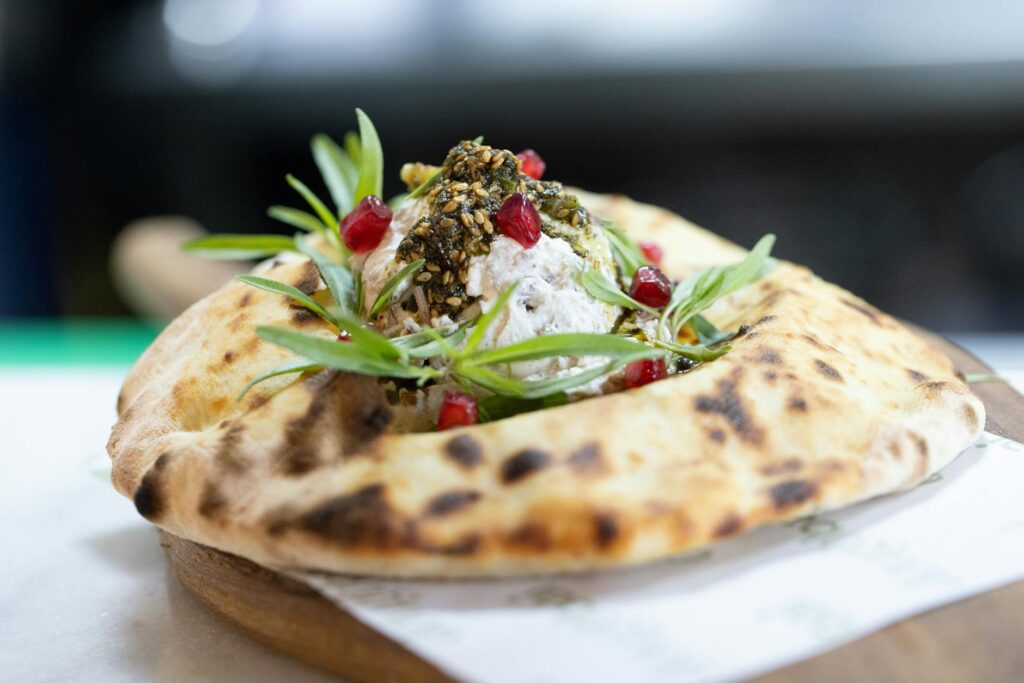
Iranian vs Spanish Pomegranate
Introduction
Pomegranate (Punica granatum) is a fruit that garners admiration for its vibrant color, unique flavor profile, and numerous culinary applications. This ancient fruit, often regarded as a symbol of fertility and abundance, has a rich history that spans several continents. Among the numerous varieties available worldwide, Iranian and Spanish pomegranates stand out for their distinct characteristics, cultural significance, and the unique climates in which they flourish. This article delves into the differences and similarities between these two prominent pomegranate regions, offering insights into their history, production, quality, and applications.
What Is Regions?
In the context of food ingredients, “regions” refers to specific geographical areas known for the cultivation of particular crops. These regions often have unique climatic, soil, and cultural conditions that influence the flavor, appearance, and quality of the products. For pomegranates, regions such as Iran and Spain have developed their own varieties and cultivation practices, leading to notable differences in taste, texture, and culinary uses. Understanding these regional distinctions helps consumers make informed choices and appreciate the diversity of pomegranate offerings.
History and Origins
Pomegranates have a storied history, tracing back to ancient Persia (modern-day Iran), where they were cultivated over 4,000 years ago. This fruit played a pivotal role in Persian culture and mythology, often celebrated in poetry and art. The pomegranate’s significance extends beyond culinary uses; it has been a symbol of prosperity and fertility in various civilizations, including the Greeks and Romans.
Spain, on the other hand, became a significant player in pomegranate cultivation following the Moorish invasion in the 8th century. The Moors introduced advanced agricultural techniques, including irrigation systems that enhanced pomegranate farming. The region of Andalusia, in particular, became known for its vibrant pomegranate varieties, which thrived in the warm Mediterranean climate.
Both Iran and Spain have rich agricultural heritages that continue to influence pomegranate cultivation today, making them essential to understanding the global pomegranate market.
Production and Processing
Iranian Pomegranate Production
Iran is one of the largest producers of pomegranates globally, with an annual output estimated to be in the millions of tons. The country’s diverse climate, ranging from arid deserts to fertile plains, allows for the cultivation of various pomegranate varieties, including the renowned Shiraz and Malas varieties. These pomegranates are characterized by their deep red color, thick skin, and sweet-tart flavor.
In Iran, pomegranates are typically hand-harvested to ensure that the fruit is picked at the optimal ripeness. After harvesting, the fruits undergo a meticulous washing process to remove dirt and pesticides. Many Iranian pomegranates are sold whole, but a significant portion is also processed into juice, molasses, and other products, contributing to the country’s economy.
Spanish Pomegranate Production
Spain is the second-largest producer of pomegranates, with its most notable cultivation area located in the region of Granada. The Spanish climate, characterized by hot summers and mild winters, is ideal for growing the sweet and juicy varieties such as ‘Mollar de Elche’ and ‘Wonderful.’ These varieties are distinguished by their larger fruit size, softer seeds, and high juice content.
Similar to Iran, Spanish pomegranates are harvested by hand, ensuring minimal damage to the fruit. The production process often includes sorting and grading, with the highest quality fruits being exported to international markets. Spain has also embraced modern agricultural practices, including organic farming, which further enhances the appeal of its pomegranates.
Quality and Grading
The quality of pomegranates can significantly vary between regions due to differences in soil, climate, and cultivation methods.
Iranian Quality Indicators
In Iran, pomegranates are graded based on size, color, and firmness. High-quality Iranian pomegranates exhibit a vibrant red hue and a heavy weight, indicating a juicy interior. The Shiraz variety, in particular, is highly sought after for its balance of sweetness and acidity.
Spanish Quality Indicators
Spanish pomegranates are also graded on similar criteria, with an emphasis on size and skin texture. The ‘Mollar de Elche’ variety is known for its exceptional sweetness and tender seeds, making it a preferred choice among consumers. In Spain, pomegranates are often sold with a label indicating their origin, which helps to assure quality and authenticity.
Buying Considerations
When purchasing pomegranates, whether from Iran or Spain, several factors should be considered to ensure you select the best fruit.
1. Appearance: Look for pomegranates that are bright in color, with smooth and firm skin. Avoid fruits with blemishes or soft spots.
2. Weight: A heavier pomegranate typically indicates more juice content, which is desirable for both eating and juicing.
3. Seasonality: Pomegranates are generally in season from late summer to early winter. Purchasing in-season fruits will yield the best flavor and quality.
4. Source: If possible, inquire about the source of the pomegranates. Knowing whether they are from Iran or Spain can help you understand their flavor profile and quality characteristics.
Uses and Applications
Pomegranates are versatile fruits with a wide range of culinary applications.
Culinary Uses of Iranian Pomegranate
In Iranian cuisine, pomegranates are often used in both sweet and savory dishes. The seeds, known as arils, are commonly sprinkled over rice dishes and salads, adding a burst of flavor and color. Pomegranate molasses, a thick syrup made from reduced pomegranate juice, is a staple in Persian cooking, enhancing the flavor of stews and marinades.
Culinary Uses of Spanish Pomegranate
Spanish pomegranates are equally versatile, often featured in Mediterranean salads and as a garnish for meat dishes. The juice is a popular ingredient in cocktails and sauces, while the seeds are enjoyed as a refreshing snack. Spanish cuisine also utilizes pomegranate in desserts, such as tarts and sorbets, where their sweet-tart flavor complements rich ingredients.
Storage and Shelf Life
Proper storage is crucial for maintaining the quality and freshness of pomegranates.
Iranian Pomegranate Storage
Iranian pomegranates can typically be stored at room temperature for up to a week. However, for longer shelf life, refrigeration is recommended. When stored in the refrigerator, they can last for several weeks. If you have already extracted the seeds, they should be kept in an airtight container and consumed within a few days.
Spanish Pomegranate Storage
Similarly, Spanish pomegranates benefit from refrigeration, which can extend their freshness for several weeks. The seeds can be frozen for longer preservation, allowing you to enjoy their flavor even out of season.
Common Misconceptions
1. All Pomegranates Taste the Same: Many believe that all pomegranates have the same flavor profile, but this is untrue. Iranian pomegranates tend to be more tart, while Spanish varieties are often sweeter.
2. Pomegranate Juice Is Always Healthy: While pomegranate juice is often marketed as a health drink, it can contain added sugars and preservatives. It’s essential to check labels for authenticity.
3. Pomegranates Are Difficult to Eat: Some may think that pomegranates are too complicated to eat, but with the right techniques, the seeds can be easily extracted and enjoyed.
Frequently Asked Questions
1. What is the best way to eat a pomegranate?
To eat a pomegranate, cut it in half and gently tap the back of the fruit to release the arils, or seeds. Alternatively, you can score the skin and break it apart to access the seeds.
2. Are there health benefits associated with eating pomegranates?
Pomegranates are rich in antioxidants and vitamins. However, it’s important to consume them as part of a balanced diet rather than rely solely on them for health benefits.
3. How can I tell if a pomegranate is ripe?
A ripe pomegranate will feel heavy for its size and have a vibrant color. The skin should be firm, but not hard.
4. Can pomegranates be frozen?
Yes, pomegranates can be frozen. It’s best to extract the seeds and store them in airtight containers for long-term storage.
5. How do Iranian and Spanish pomegranates compare in flavor?
Generally, Iranian pomegranates are more tart and complex in flavor, while Spanish varieties are sweeter and juicier. Each offers a unique tasting experience.
6. Are there organic pomegranates available?
Yes, both Iranian and Spanish producers have begun to offer organic pomegranate options, catering to the growing demand for sustainably sourced products.
Conclusion
The pomegranate, with its rich tapestry of history and cultural significance, offers a fascinating glimpse into the agricultural practices of different regions. Iranian and Spanish pomegranates, while both exceptional, showcase unique flavors and characteristics, reflecting their distinct climates and cultivation methods. Understanding these differences enriches the culinary experience, allowing consumers to appreciate the depth and diversity of this ancient fruit. Whether you are enjoying a refreshing pomegranate salad or savoring the complex flavors of a Persian dish, the pomegranate continues to be a beloved ingredient in kitchens around the world.