
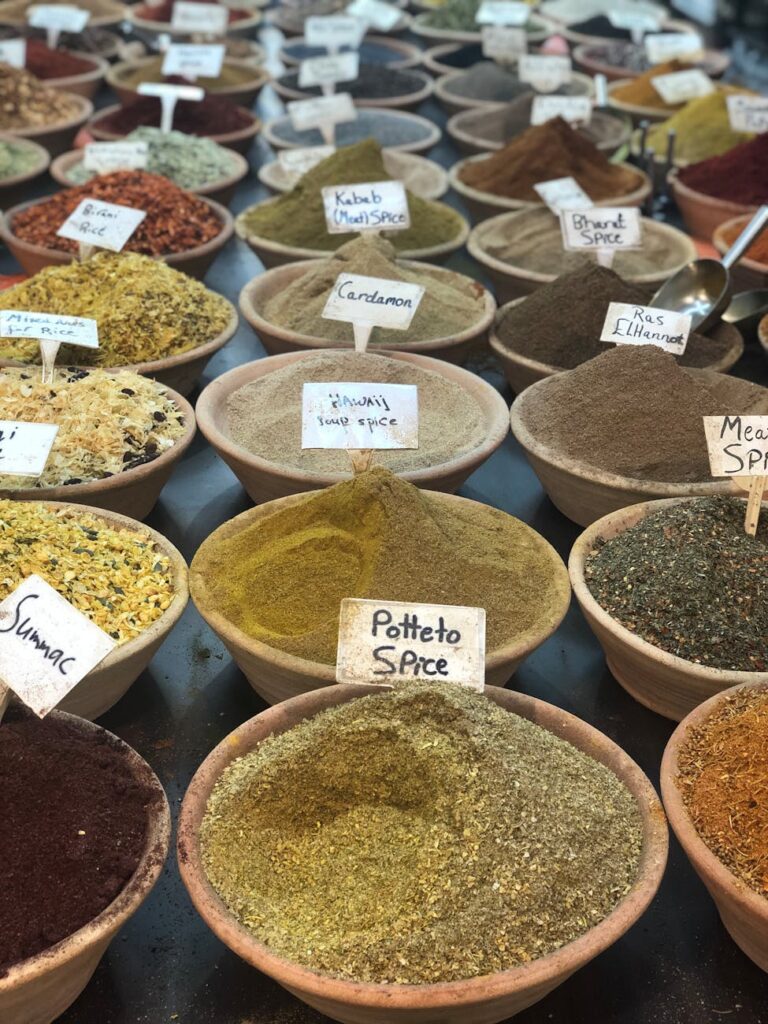
Iranian vs Spanish Sumac
Introduction
Sumac, a vibrant red spice with a tangy flavor profile, has been a staple in various culinary traditions for centuries. While its use spans from the Middle East to the Mediterranean, the regional variations of sumac, particularly Iranian and Spanish, offer unique characteristics and applications. This article delves into the differences and similarities between Iranian and Spanish sumac, exploring their origins, production methods, quality assessments, and culinary uses.
What Is Sumac?
Sumac is derived from the berries of the Rhus genus, particularly the species Rhus coriaria. These berries are dried and ground to produce a fine powder that is celebrated for its tart, lemony flavor. Sumac has been utilized for its culinary and medicinal properties since ancient times, and it plays a vital role in various regional cuisines.
History and Origins
Iranian Sumac
Iranian sumac has ancient roots, with its cultivation dating back thousands of years. The Persian Empire cherished this spice, and it remains integral to Iranian cuisine. Sumac is often used to enhance the flavors of kebabs, salads, and rice dishes. The traditional methods of harvesting and processing sumac in Iran have been passed down through generations, preserving its cultural significance.
Spanish Sumac
In contrast, Spanish sumac is less commonly known but has gained popularity in recent years. It is often associated with the Mediterranean climate of southern Spain, where various herbs and spices thrive. The Spanish version of sumac is primarily used in regional dishes to impart a unique flavor, often combined with other spices.
Production and Processing
Iranian Sumac
Iranian sumac is typically harvested from wild bushes that grow in arid regions. The berries are picked when ripe, usually in late summer, and then dried in the sun or using controlled drying methods to preserve their flavor. Once dried, the berries are ground into a fine powder. Iranian sumac is characterized by its deep red color and slightly coarse texture, which contributes to its robust flavor.
Spanish Sumac
Spanish sumac, on the other hand, is often produced from cultivated plants. The berries are harvested in a similar fashion, but the drying process may involve less sun exposure and more controlled environments to maintain flavor integrity. The resulting powder is generally lighter in color and finer in texture compared to its Iranian counterpart. This subtle difference affects the flavor profile, making Spanish sumac somewhat milder and less tangy.
Quality and Grading
The quality of sumac can vary significantly based on its origin, processing methods, and grading criteria.
Iranian Sumac Grading
In Iran, sumac is often graded based on its color, aroma, and flavor intensity. Higher-quality sumac will have a vibrant red hue and a strong, tangy scent. Iranian sumac is known for its robust flavor, often preferred by chefs looking for a bold addition to their dishes.
Spanish Sumac Grading
Spanish sumac does not have a formal grading system comparable to Iranian sumac. However, quality can be assessed by examining the color and aroma. High-quality Spanish sumac should have a bright red or reddish-brown color with a pleasant, less acidic scent.
Buying Considerations
When purchasing sumac, several factors should be taken into account to ensure you select the best option for your culinary needs.
Iranian Sumac
Look for Iranian sumac that is labeled as “100% pure” to avoid blends with other spices. Check the packaging for its color; vibrant red indicates freshness and quality. Additionally, purchasing from reputable suppliers or specialty stores known for Middle Eastern ingredients can provide assurance of authenticity.
Spanish Sumac
For Spanish sumac, it is essential to seek out suppliers who specialize in Mediterranean products. The packaging should indicate the origin, and it is beneficial to buy from brands known for their quality. Taste testing or checking for freshness can also help in making the right selection.
Uses and Applications
Culinary Uses of Iranian Sumac
Iranian sumac is incredibly versatile in the kitchen. It is commonly sprinkled over grilled meats, added to salads like Shirazi salad, or used to season rice dishes. The tangy flavor enhances the overall taste profile, providing a delightful contrast and brightness to rich dishes.
Culinary Uses of Spanish Sumac
Spanish sumac, while less traditional, is gaining traction in modern culinary applications. It is often used in spice blends, marinades, and dressings. Its milder flavor makes it suitable for a variety of dishes, including roasted vegetables and seafood. It can also be incorporated into dips or used to season salads, providing a subtle acidity.
Storage and Shelf Life
Iranian Sumac Storage
To maintain the freshness and flavor of Iranian sumac, it should be stored in an airtight container in a cool, dark place. Properly stored, it can last up to two years, although its flavor may diminish over time.
Spanish Sumac Storage
Spanish sumac should also be kept in an airtight container, away from light and heat. Its shelf life is similar to that of Iranian sumac, lasting about one to two years when stored correctly. However, regular checks for aroma and color can help ensure its quality.
Common Misconceptions
One common misconception is that all sumac varieties are the same. The reality is that Iranian and Spanish sumac differ significantly in flavor, texture, and applications, which can influence the outcome of dishes. Additionally, some people confuse sumac with poison sumac, a plant that is unrelated and poses health risks. It is essential to understand that culinary sumac is safe for consumption and entirely different from its toxic counterpart.
Frequently Asked Questions
1. Can I substitute Spanish sumac for Iranian sumac in recipes?
Yes, you can substitute Spanish sumac for Iranian sumac, but be mindful that the flavor may be milder. Adjust the quantity based on your taste preference.
2. Is sumac gluten-free?
Yes, sumac is naturally gluten-free, making it a suitable spice for those with gluten sensitivities.
3. How can I tell if sumac has gone bad?
Check for any off odors or a significant change in color. If the sumac has lost its vibrant hue or developed an unpleasant smell, it is best to discard it.
4. Are there any health benefits associated with sumac?
While this article does not provide medical advice, sumac is often touted for its antioxidant properties. However, further research is necessary to substantiate these claims.
5. Can I grow my own sumac at home?
Yes, sumac can be grown in many regions, particularly in areas with a Mediterranean climate. However, it is essential to ensure you are cultivating a non-toxic variety.
6. What is the best way to use sumac in cooking?
Sumac can be used as a seasoning for meats, salads, and vegetables. It can be sprinkled directly onto dishes or incorporated into marinades and dressings for added flavor.
Conclusion
In summary, both Iranian and Spanish sumac offer unique flavors and culinary applications, reflecting their rich cultural heritages. Understanding their differences in production, quality, and usage can enhance your culinary experiences and allow you to make informed choices in the kitchen. Whether you prefer the bold zest of Iranian sumac or the subtler notes of its Spanish counterpart, both spices deserve a place in your pantry.