
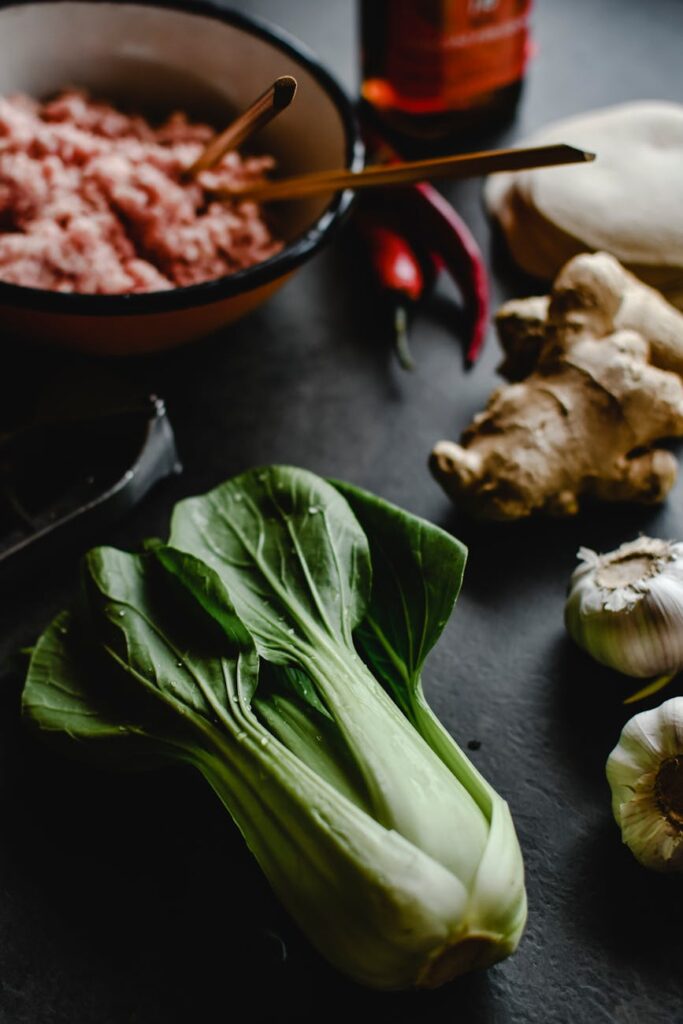
Is Bok Choy Farming Profitable?
Introduction
Bok choy, a leafy green vegetable belonging to the Brassica family, has seen a surge in popularity in recent years, particularly in Western cuisines. This fast-growing, nutrient-rich crop offers numerous culinary applications, making it highly sought after in both local and international markets. For aspiring farmers, understanding the profitability of bok choy farming can provide valuable insights into the agricultural landscape. This article delves into various aspects of bok choy cultivation, from its origins to market considerations, to determine its overall profitability.
What Is Growing?
Growing encompasses the practices and processes involved in cultivating crops from seeds to harvest. In the context of bok choy, this includes selecting the right variety, preparing the soil, planting, managing growth conditions, and harvesting. Farmers must engage in careful planning and execution to optimize yields and ensure high-quality produce.
Bok choy is particularly appealing to farmers due to its quick growth cycle—typically 30 to 60 days from planting to harvest. This rapid turnover allows for multiple growing seasons within a year, enhancing the potential for profitability. Additionally, the plant’s adaptability to various climates and growing conditions makes it accessible to a wide range of agricultural practices.
History and Origins
Bok choy, also known as Chinese cabbage, has a rich history that dates back thousands of years. It originated in China, where it has been cultivated since the 5th century. The name “bok choy” translates to “white vegetable,” highlighting its pale green stalks and dark green leaves. Over centuries, it has spread across the globe, finding its way into various culinary traditions.
The crop was first introduced to the West in the 19th century through Chinese immigrants. Today, it is cultivated in numerous countries, including the United States, Canada, and several European nations. Its versatility in different cuisines, from stir-fries to salads, has made it a staple ingredient enjoyed worldwide.
Production and Processing
The production of bok choy involves several key stages: soil preparation, seeding, maintenance, and harvesting.
Soil Preparation
Optimal growth requires well-drained soil rich in organic matter. Farmers often amend the soil with compost or well-rotted manure to enhance nutrient content. The soil pH should ideally range from 6.0 to 7.5 for optimal growth.
Seeding and Transplanting
Bok choy can be sown directly in the field or started in greenhouses for transplanting. When sowing directly, seeds are typically planted ¼ to ½ inch deep, spaced adequately to allow for growth. If starting indoors, seedlings should be transplanted when they reach about 4 inches in height.
Maintenance
Regular irrigation is crucial, particularly during dry spells. Bok choy thrives in cooler temperatures, and excessive heat can lead to bolting. Farmers must monitor for pests and diseases, implementing integrated pest management strategies as needed.
Harvesting
Harvesting is generally done by cutting the entire plant at the base when it reaches maturity. This is typically 30 to 60 days after planting, depending on the variety. Careful handling during harvest is essential to prevent damage, as bok choy is delicate and can bruise easily.
Quality and Grading
Quality assessment of bok choy focuses on several factors, including freshness, color, texture, and absence of defects. High-quality bok choy should have vibrant green leaves, crisp stalks, and no signs of wilting or yellowing.
Grading standards vary by region and market, but generally include:
- U.S. No. 1: This grade signifies the highest quality, with uniform size and color.
- U.S. No. 2: These may have slight imperfections but are still marketable.
- Substandard: These are often rejected for retail but may still be used in processing.
- Bok Choy is Difficult to Grow: While it requires specific conditions, bok choy is relatively easy to cultivate, making it suitable for both
Farmers should aim to produce high-quality bok choy to maximize market value and consumer satisfaction.
Buying Considerations
When purchasing bok choy, several factors should be taken into account.
Freshness
Look for bok choy with firm stalks and crisp leaves. Avoid any that appear wilted, yellowed, or discolored, as these may indicate poor quality or age.
Size and Variety
Bok choy comes in various sizes and types, including the more compact ‘Baby Bok Choy’ and the larger ‘Shanghai Bok Choy.’ Depending on culinary needs, buyers should consider the appropriate variety.
Source
Local farmers’ markets often provide the freshest options, while grocery stores may offer a broader selection. Understanding where the produce comes from can also give insights into its freshness and quality.
Uses and Applications
Bok choy’s versatility makes it an excellent ingredient in various culinary applications. It can be used raw in salads, sautéed, or added to soups and stews. Its mild flavor allows it to complement a variety of dishes, making it a favorite among chefs and home cooks alike.
Beyond culinary uses, bok choy holds potential in the health food market, where its nutritional profile can be marketed as part of a healthy diet.
Storage and Shelf Life
Proper storage is essential for maintaining the freshness of bok choy. It should be kept in the refrigerator, ideally in a perforated plastic bag, to allow for air circulation while retaining moisture.
Shelf Life
When stored correctly, bok choy can last up to a week in the refrigerator. However, it is best consumed within a few days of purchase for optimal flavor and texture. Signs of spoilage include yellowing leaves, sliminess, and a foul odor.
Common Misconceptions
Despite its popularity, several misconceptions surround bok choy farming and consumption: