
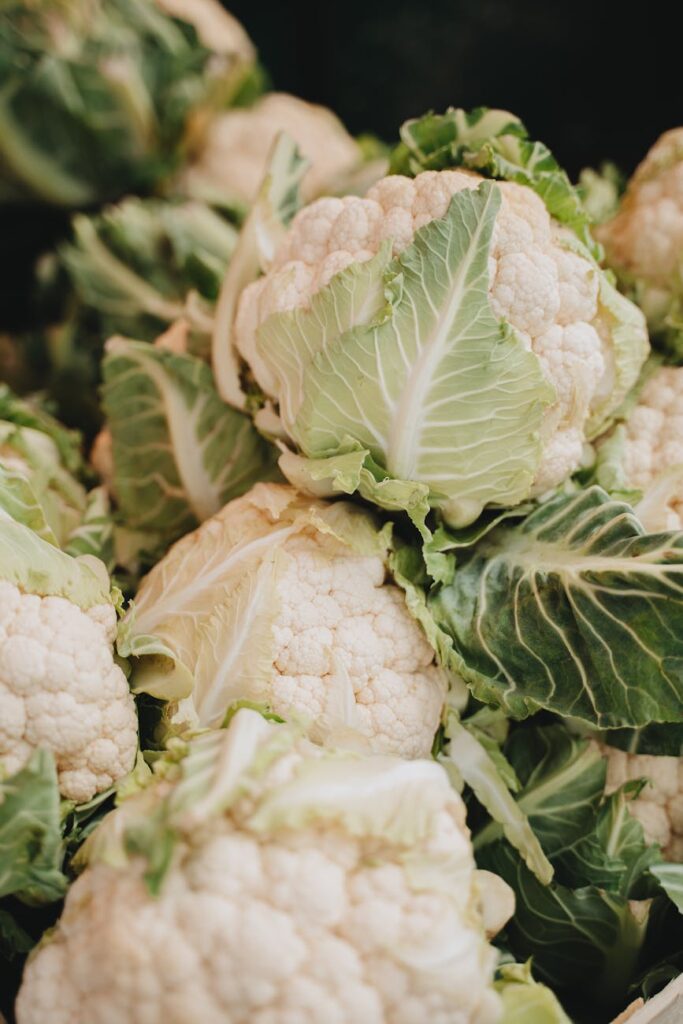
Is Cauliflower Farming Profitable?
Introduction
Cauliflower, a versatile and nutritious member of the Brassica family, has gained significant popularity in recent years, both as a culinary staple and as a health food. Given the increasing demand for fresh produce, many farmers are exploring the profitability of cauliflower farming. This article aims to provide a comprehensive overview of cauliflower farming, addressing the economic viability and various aspects of growing this vegetable.
What Is Growing?
In the context of agriculture, “growing” refers to the cultivation and production of crops. This includes the preparation of soil, planting of seeds or seedlings, maintenance of the crop through watering, fertilization, and pest control, as well as harvesting and post-harvest handling. Cauliflower growing, in particular, requires specific climatic conditions, soil types, and care to achieve optimal yields.
History and Origins
Cauliflower is believed to have originated in the Mediterranean region, particularly in Cyprus, where it was cultivated as early as the 6th century B.C. It was later introduced to Europe, where it gained popularity during the Renaissance, particularly in Italy and France. By the 18th century, cauliflower had made its way to North America, where it has since become a staple in various cuisines. The modern varieties of cauliflower are the result of selective breeding, aimed at enhancing flavor, texture, and resistance to pests and diseases.
Production and Processing
Growing Conditions
Cauliflower thrives in cool climates, preferring temperatures between 60°F to 65°F (15°C to 18°C). It can be grown in various soil types but performs best in well-drained, fertile loam enriched with organic matter. The pH level of the soil should ideally be between 6.0 and 7.0. Farmers often use crop rotation to prevent soil depletion and reduce disease risk.
Planting Techniques
Cauliflower can be grown from seeds or transplants. Seeds are typically sown indoors 4 to 6 weeks before the last frost date, providing a head start for the plants. Transplants are then moved outdoors when they reach about 4 to 6 inches tall. Direct seeding in the field is also an option, particularly in regions with milder climates.
Maintenance
Regular maintenance is crucial for successful cauliflower farming. This includes:
- Watering: Consistent moisture is essential for cauliflower. Drip irrigation is often used to maintain soil moisture without wetting the foliage, which can lead to fungal diseases.
- Fertilization: A balanced fertilizer regimen is recommended, often involving nitrogen, phosphorus, and potassium, to support healthy growth.
- Pest and Disease Management: Common pests include aphids, cabbage worms, and flea beetles. Integrated pest management (IPM) strategies, including biological controls and organic pesticides, can be effective in managing these threats.
- Seed Quality: Choose reputable suppliers for seeds or seedlings to ensure disease resistance and high germination rates.
- Variety Selection: Depending on the growing season and market demand, farmers may opt for different varieties, such as early, mid-season, or late-harvest types.
- Market Trends: Understanding consumer preferences, including organic versus conventional produce, can guide purchasing decisions.
- It’s Just a White Vegetable: Cauliflower is available in various colors, including purple, green, and orange. Each type has its unique flavor profile and nutritional benefits.
- Cauliflower Contains No Nutritional Value: On the contrary, cauliflower is rich in vitamins C, K, and B6, as well as fiber. It is low in calories, making it a preferred choice for health-conscious consumers.
- Cauliflower Is Difficult to Grow: While it requires careful attention to growing conditions, many farmers find that with proper practices, cauliflower can be successfully cultivated.
Harvesting
Cauliflower is usually ready for harvest approximately 60 to 100 days after planting, depending on the variety. The heads should be firm and compact, typically harvested when they are still white and before the florets begin to separate. Timely harvesting is crucial for maximizing quality and marketability.
Post-Harvest Handling
After harvesting, cauliflower should be cooled quickly to maintain freshness. It is often stored in refrigerated conditions to extend shelf life. Proper post-harvest handling can significantly influence the quality and market value of the product.
Quality and Grading
Cauliflower quality is assessed based on several factors, including size, color, texture, and overall appearance. High-quality cauliflower should have a uniform white color, a compact head, and no signs of browning or blemishes. Grading standards can vary by region but generally categorize cauliflower into different quality grades, which can affect pricing in the market.
Buying Considerations
When purchasing cauliflower for farming, several factors should be taken into account:
Uses and Applications
Cauliflower is celebrated for its versatility in culinary applications. It can be roasted, steamed, or eaten raw, making it a favorite in salads and side dishes. Beyond the kitchen, cauliflower is increasingly being used as a low-carb substitute for grains and legumes. Innovations in food processing have led to products such as cauliflower rice, pizza crusts, and even cauliflower-based snacks, enhancing its market appeal.
Storage and Shelf Life
When stored properly, cauliflower can maintain its quality for several weeks. It should be kept in a cool, dry place, ideally in a refrigerator at temperatures around 32°F to 36°F (0°C to 2°C). In these conditions, it can last up to two weeks. However, exposure to ethylene gas from fruits can cause premature spoilage, so it should be stored away from ethylene-producing produce.
Common Misconceptions
Despite its popularity, several misconceptions about cauliflower persist:
Frequently Asked Questions
1. What is the best time to plant cauliflower?
Cauliflower is typically planted in early spring or late summer, depending on