
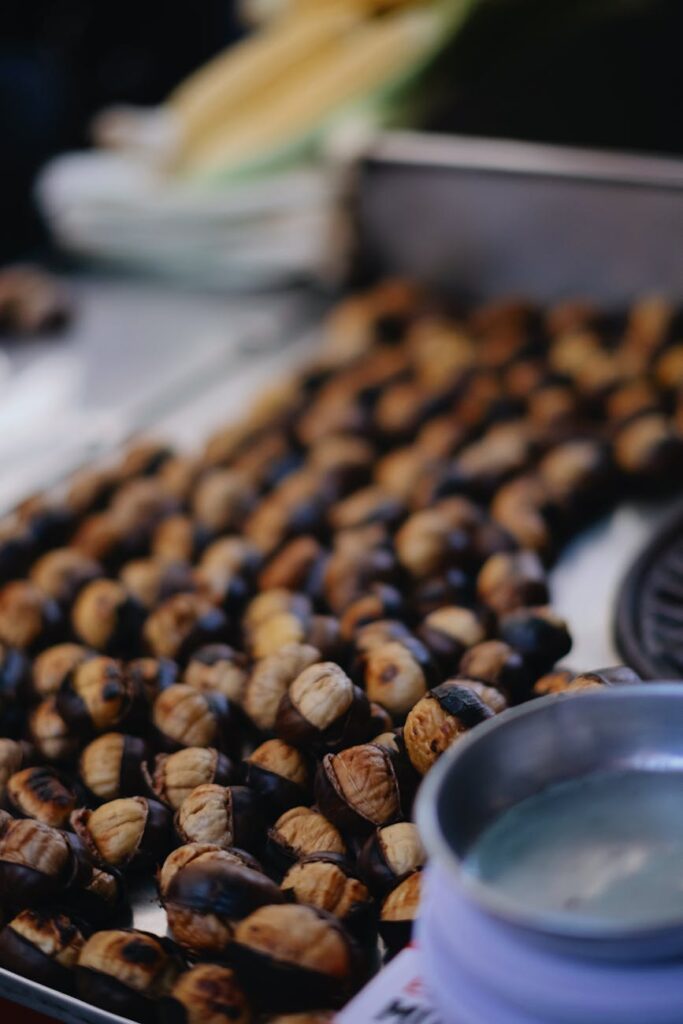
Is Chestnut Farming Profitable?
Introduction
Chestnuts, a staple in many culinary traditions, are increasingly recognized for their potential as a profitable agricultural product. With their unique flavor, nutritional benefits, and versatile applications, chestnuts have garnered attention from both consumers and farmers alike. This article delves into the intricacies of chestnut farming, examining its profitability, historical context, production processes, and various factors influencing its market viability.
What Is Growing?
Growing, in the context of agriculture, refers to the cultivation of crops or plants for food, fiber, or other economic purposes. In the case of chestnuts, growing involves a series of agricultural practices that encompass land preparation, planting, nurturing, harvesting, and post-harvest handling. The cultivation of chestnuts requires specific conditions, including suitable climate, soil quality, and proper cultural practices, to ensure optimal growth and yield.
History and Origins
The chestnut tree, belonging to the genus Castanea, has a rich historical backdrop that dates back thousands of years. Native to temperate regions of the Northern Hemisphere, chestnuts are believed to have originated in Asia Minor and spread throughout Europe and North America.
In ancient times, chestnuts were a vital food source, particularly in Mediterranean countries, where they were consumed both raw and roasted. The trees were also valued for their timber and were planted extensively in orchards. By the 19th century, chestnuts had made their way to the United States, where they flourished, particularly in the Appalachian region. However, the introduction of the chestnut blight in the early 20th century devastated native American chestnut populations, leading to a decline in commercial production.
In recent years, there has been a resurgence in chestnut farming, driven by renewed interest in diverse crops and sustainable agricultural practices. Modern farming techniques and disease-resistant varieties are aiding in the revival of this ancient crop.
Production and Processing
Chestnut farming involves several stages, each critical to maximizing yield and quality. The process begins with selecting the right cultivar, as various species offer different flavors, growth habits, and disease resistance. Common cultivars include the European chestnut (Castanea sativa) and the American chestnut (Castanea dentata), with the former being more commercially viable due to its superior taste and adaptability.
Cultivation Practices
1. Site Selection: Chestnut trees thrive in well-drained, loamy soils with a pH of 5.5 to 6.5. They require full sunlight and protection from strong winds, making site selection crucial for successful growth.
2. Planting: Typically, chestnuts are planted in the spring or fall. Spacing between trees should be adequate to allow for air circulation and sunlight penetration.
3. Irrigation and Fertilization: Adequate water supply is vital, especially during the dry seasons. Organic fertilizers are often recommended to maintain soil health and promote vigorous growth.
4. Pest and Disease Management: Chestnut trees are prone to various pests and diseases, including the aforementioned chestnut blight. Integrated pest management (IPM) strategies, including the use of resistant varieties, biological controls, and organic treatments, are essential for maintaining healthy orchards.
Harvesting and Processing
Chestnuts are typically harvested in late autumn when the nuts fall from the trees. The harvesting process is labor-intensive, often requiring manual gathering to ensure minimal damage to the nuts. Post-harvest, chestnuts are either sold fresh or processed for various products, including roasted chestnuts, flour, and chestnut purees.
Processing involves cleaning, grading, and packaging the nuts for distribution. Proper processing techniques are essential to maintaining quality and extending shelf life.
Quality and Grading
Chestnut quality is determined by several factors, including size, shape, color, and the absence of blemishes or spoilage. Higher-quality chestnuts typically command better prices in the market. Grading standards can vary by region, but generally, chestnuts are categorized into grades based on their size and overall appearance.
1. Grade A: Large, unblemished nuts with a firm shell.
2. Grade B: Slightly smaller or with minor imperfections.
3. Grade C: Smaller nuts or those with significant blemishes, often used for processing.
Understanding these grading systems is crucial for farmers looking to maximize profitability, as higher-grade nuts typically attract premium prices.
Buying Considerations
When entering the chestnut market, both producers and consumers should consider several factors:
- Market Demand: Understanding local and global demand can influence planting decisions. Regions with a strong culinary culture around chestnuts may offer more lucrative opportunities.
- Cost of Production: Initial investments in land, seedlings, and infrastructure can be substantial. Farmers must carefully analyze their costs to determine potential profitability.
- Climate Adaptability: Selecting the right cultivar for the local climate is crucial. Some chestnut varieties may perform better in specific environments than others.
- Sustainability Practices: As consumers become more aware of sustainability, practices such as organic farming and integrated pest management can enhance marketability.
Uses and Applications
Chestnuts are versatile ingredients with a broad range of culinary applications. They can be consumed raw, roasted, or ground into flour. Their naturally sweet flavor complements both savory and sweet dishes, making them a popular choice in various cuisines.
1. Culinary Uses: Roasted chestnuts are a classic winter treat, while chestnut puree serves as a base for desserts and sauces. Additionally, chestnut flour is increasingly used in gluten-free baking.
2. Traditional Uses: In some cultures, chestnuts are used in traditional dishes, such as stuffing for meats or as a side dish.
3. Non-Culinary Applications: Beyond culinary uses, chestnuts have applications in cosmetics and personal care products due to their