
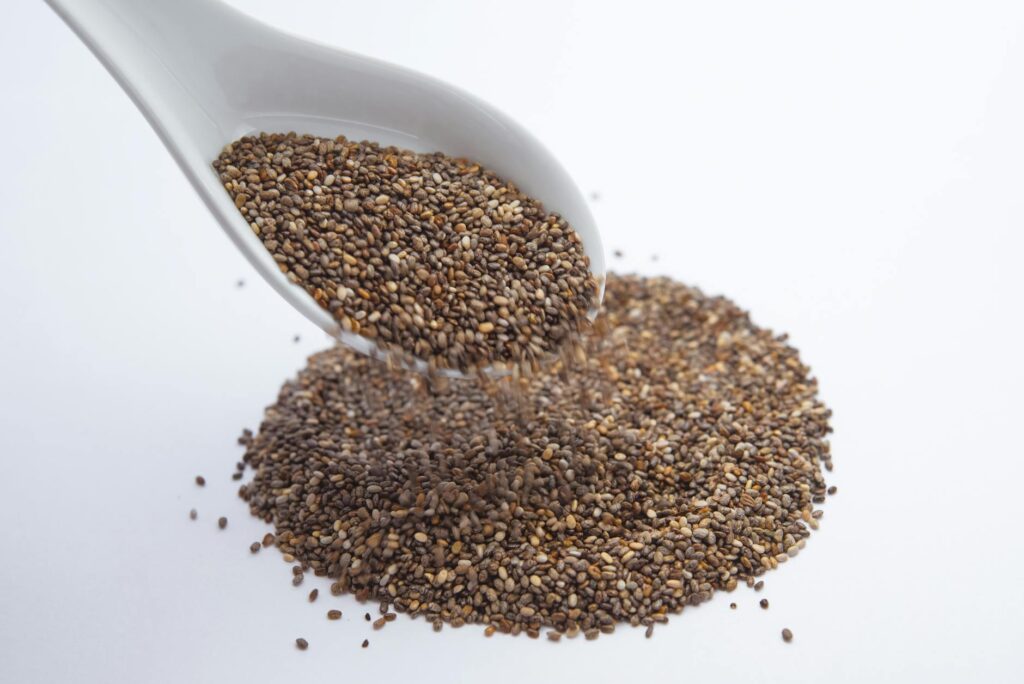
Is Chia Seeds Farming Profitable?
Introduction
Chia seeds have gained significant popularity in recent years, not only for their nutritional benefits but also for their versatility in culinary applications. As health-conscious consumers increasingly incorporate these tiny seeds into their diets, the demand for chia seeds has surged, prompting many agricultural entrepreneurs to consider chia farming. This article explores the profitability of chia seed farming, examining its growth potential, market dynamics, and practical considerations for aspiring growers.
What Is Growing?
Growing, in the context of agriculture, refers to the cultivation of plants for various purposes, including food production, medicinal use, and commercial sale. The process encompasses selecting suitable seeds, preparing the soil, planting, nurturing the plants through various growth stages, and ultimately harvesting the crops. For chia seeds, the growing process involves specific agricultural practices tailored to their unique requirements, such as climate, soil type, and irrigation.
History and Origins
Chia seeds originate from the Salvia hispanica plant, a flowering herbaceous plant native to Central and South America. Historically, chia seeds were a staple food for ancient civilizations such as the Aztecs and Mayans, who valued them for their energy-boosting properties. Chia, which means “strength” in the Mayan language, was used not only as a food source but also for medicinal purposes and as an offering in religious ceremonies.
In modern times, chia seeds have seen a revival due to their high nutritional value, rich in omega-3 fatty acids, fiber, and antioxidants. Today, chia seeds are cultivated in various regions around the world, including North America, Australia, and South America, with increasing interest in their commercial viability.
Production and Processing
Chia seeds are primarily grown in warm climates with well-drained soils. The ideal conditions for chia cultivation include temperatures ranging from 18°C to 30°C (64°F to 86°F) and moderate rainfall. Chia plants thrive in sandy loam or clay loam soils, which provide good drainage and aeration.
The production cycle of chia typically spans 90 to 120 days, depending on the variety and growing conditions. Farmers begin by preparing the soil, followed by planting seeds directly in the ground. Chia plants require minimal irrigation, as they are drought-resistant; however, they do benefit from consistent moisture during their early growth stages.
Once the plants mature, they produce small white or purple flowers, which eventually develop into seed pods. Harvesting usually occurs when the seed pods are fully matured and dry, often done manually or with specialized harvesting equipment. Post-harvest, the seeds are cleaned, dried, and processed for packaging and distribution.
Quality and Grading
The quality of chia seeds is determined by several factors, including seed size, color, and oil content. High-quality chia seeds are typically uniform in size and have a glossy appearance. They should also be free from contaminants and have a pleasant, nutty aroma.
Grading systems for chia seeds may vary by region, but common classifications include:
- Premium Grade: Large, uniform seeds with high oil content.
- Standard Grade: Moderately sized seeds with average oil content.
- Lower Grade: Smaller seeds, often with impurities or lower nutritional value.
Adhering to quality standards is crucial for producers aiming to enter international markets, where strict regulations and quality expectations exist.
Buying Considerations
For those interested in purchasing chia seeds, several factors should be taken into account:
1. Source: Opt for seeds from reputable suppliers who can provide information on the origin and cultivation practices. Organic certifications may also assure quality.
2. Packaging: Look for seeds that are packaged in airtight containers to maintain freshness. Bulk purchases should be stored properly to prevent spoilage.
3. Price: Prices can vary significantly based on quality and source. Buyers should compare prices across different suppliers while considering shipping costs.
4. Shelf Life: Chia seeds have a long shelf life, but it’s essential to check expiration dates and storage recommendations.
5. Variety: Different varieties of chia seeds may offer unique flavors or nutritional profiles. Understanding these differences can help consumers make informed choices.
Uses and Applications
Chia seeds are incredibly versatile and can be used in a multitude of culinary applications. Their ability to absorb liquid and form a gel-like consistency makes them popular in recipes for smoothies, puddings, and baked goods. Additionally, they are often used as a topping for yogurt, salads, and cereals.
Beyond culinary uses, chia seeds are also finding applications in the food industry. They are increasingly incorporated into health bars, snacks, and beverages, appealing to consumers seeking nutritious, plant-based ingredients. Their potential as a sustainable source of protein and omega-3 fatty acids is drawing attention from food manufacturers focused on health and wellness.
Storage and Shelf Life
Chia seeds have an impressive shelf life, lasting up to four years when stored correctly. To maximize freshness and prevent rancidity, they should be kept in a cool, dry place, away from direct sunlight and moisture. Airtight containers or vacuum-sealed bags are ideal for maintaining quality.
Once opened, it’s advisable to consume the seeds within six months to a year for optimal taste and nutritional value. If stored in the refrigerator, their shelf life can be extended further, especially in warm climates.
Common Misconceptions
Despite their growing popularity, several misconceptions surround chia seeds and their cultivation:
1. Chia Seeds Are Only a Fad: While their rise in popularity may seem like a trend, chia seeds have been used for centuries and are recognized for their nutritional benefits.
2. They Require Extensive Watering: Chia plants are drought-resistant and require minimal irrigation, making them suitable for regions with limited water resources.
3. All Chia Seeds Are the Same: There are different varieties of chia seeds, each with unique characteristics in terms of size, color, and nutritional content.
4